Indoor air pollution is a growing concern in modern homes. With the increasing use of synthetic building materials, paints, and household cleaners, the air inside our homes can be up to five times more polluted than the air outside.
Common indoor toxins like formaldehyde, benzene, trichloroethylene, xylene, and ammonia are linked to health problems ranging from headaches and allergies to more serious respiratory and neurological issues.
To combat this, NASA conducted a Clean Air Study in the 1980s to identify plants that could naturally remove harmful toxins from the air. The result?
A list of air-purifying houseplants that not only enhance your décor but also help improve the quality of your indoor environment.
Here’s a list of 18 NASA-recommended houseplants that effectively purify the air in your home—plus tips on how to care for each one.
1. Spider Plant (Chlorophytum comosum)
One of the easiest houseplants to grow, the spider plant is excellent for beginners. It removes pollutants like formaldehyde, carbon monoxide, and xylene.
Care tips:
-
Light: Bright, indirect light
-
Water: Weekly; keep soil slightly moist
-
Bonus: Safe for pets and grows baby plants you can replant!
2. Peace Lily (Spathiphyllum ‘Mauna Loa’)
A stunning plant with dark green leaves and white blooms, the peace lily removes formaldehyde, benzene, and trichloroethylene.
Care tips:
-
Light: Low to medium light
-
Water: Keep soil moist, but avoid overwatering
-
Warning: Toxic to pets if ingested
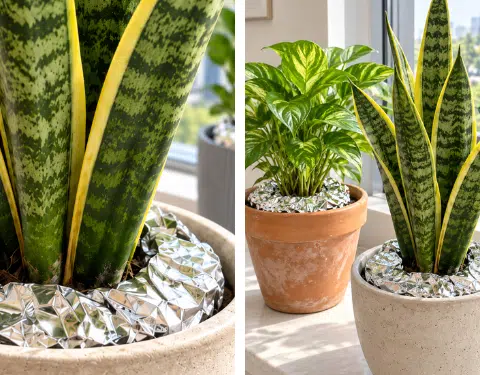
3. Snake Plant (Sansevieria trifasciata)
Also known as “mother-in-law’s tongue,” this low-maintenance plant is a nighttime oxygen producer and absorbs formaldehyde and nitrogen oxides.
Care tips:
-
Light: Tolerates low light
-
Water: Water every 2–3 weeks
-
Ideal for bedrooms due to its oxygen-releasing properties
4. Aloe Vera
Famous for its medicinal gel, Aloe Vera also purifies the air by removing formaldehyde and benzene found in cleaning products.
Care tips:
-
Light: Bright, indirect sunlight
-
Water: Allow soil to dry between waterings
-
Bonus: Keep in the kitchen for sunburns or skin care!
5. English Ivy (Hedera helix)
English ivy is known for its air-purifying powers and ability to reduce airborne mold and fecal matter particles—making it great for bathrooms.
Care tips:
-
Light: Bright, indirect light
-
Water: Keep soil evenly moist
-
Caution: Toxic to pets
6. Areca Palm (Dypsis lutescens)
Also called the butterfly palm, this tropical beauty is one of the best natural humidifiers and removes toxins like toluene and xylene.
Care tips:
-
Light: Bright, filtered light
-
Water: Keep soil slightly moist
-
Non-toxic to pets
7. Bamboo Palm (Chamaedorea seifrizii)
Another top performer in the NASA study, the bamboo palm effectively filters out benzene and trichloroethylene while adding humidity.
Care tips:
-
Light: Bright, indirect light
-
Water: Allow the top inch of soil to dry out between waterings
-
Pet-safe!
8. Boston Fern (Nephrolepis exaltata)
This classic fern excels at removing formaldehyde and improving humidity, making it perfect for dry indoor environments.
Care tips:
-
Light: Indirect or filtered light
-
Water: Keep consistently moist
-
Mist frequently or use a humidifier
9. Rubber Plant (Ficus elastica)
A powerful air purifier that removes airborne toxins like formaldehyde. It’s also easy to maintain and has attractive, glossy leaves.
Care tips:
-
Light: Bright, indirect light
-
Water: Water when topsoil feels dry
-
Can grow quite tall indoors
10. Dracaena (Dracaena marginata & other varieties)
There are several varieties of Dracaena, and most are excellent at filtering benzene, formaldehyde, and xylene.
Care tips:
-
Light: Low to bright indirect light
-
Water: Keep soil moist but not soggy
-
Toxic to pets
11. Chinese Evergreen (Aglaonema)
An easy-care plant that adapts well to most indoor environments and removes multiple pollutants.
Care tips:
-
Light: Low to medium light
-
Water: Water when soil begins to dry
-
Avoid cold drafts
12. Philodendron (Heartleaf & Selloum varieties)
These beautiful trailing plants are top performers at removing formaldehyde and other VOCs.
Care tips:
-
Light: Bright, indirect light
-
Water: Let soil dry between waterings
-
Easy to propagate and maintain
13. Gerbera Daisy (Gerbera jamesonii)
Known for their colorful blooms, these cheerful flowers are among the few flowering plants in NASA’s study that purify benzene and trichloroethylene.
Care tips:
-
Light: Lots of direct sunlight
-
Water: Water when top inch of soil is dry
-
Better suited for sunny windows or outdoor patios
14. Golden Pothos (Epipremnum aureum)
Often called devil’s ivy, this trailing vine is one of the most effective at eliminating formaldehyde and thrives in almost any condition.
Care tips:
-
Light: Low to bright indirect light
-
Water: Water when the soil is dry
-
Very easy to propagate
15. Weeping Fig (Ficus benjamina)
Effective at filtering formaldehyde, xylene, and toluene, the weeping fig is a beautiful tree-like houseplant.
Care tips:
-
Light: Bright, indirect sunlight
-
Water: Keep soil evenly moist
-
Avoid sudden changes in temperature
16. Corn Plant (Dracaena fragrans)
This Dracaena variety has tall, leafy stalks that look like cornstalks and remove formaldehyde and other toxins.
Care tips:
-
Light: Indirect light
-
Water: Let topsoil dry before watering again
-
Great for offices and living rooms
17. Flamingo Lily (Anthurium andraeanum)
With its waxy red flowers and dark green leaves, the flamingo lily adds beauty while cleansing ammonia and formaldehyde.
Care tips:
-
Light: Bright, indirect light
-
Water: Keep soil consistently moist
-
Toxic to pets
18. Broad Lady Palm (Rhapis excelsa)
This slow-growing palm is one of the best for removing indoor air pollutants, especially ammonia and formaldehyde.
Care tips:
-
Light: Tolerates low to bright indirect light
-
Water: Allow soil to dry slightly between waterings
-
Pet-safe and highly durable
How Many Plants Do You Need to Purify the Air?
According to NASA’s Clean Air Study, you should aim for at least one plant per 100 square feet of living space to effectively reduce airborne toxins. For an average 1,000-square-foot home, that’s about 10 plants.
Pro tip: Mix different types of air-purifying plants to target a wider range of toxins.
Incorporating NASA-approved air-purifying plants into your home is a natural, affordable, and beautiful way to improve your indoor air quality.
These plants don’t just filter out harmful pollutants—they also reduce stress, increase humidity, and bring life to any room.
Whether you’re a beginner or a seasoned gardener, adding a few of these plants to your home can make a noticeable difference in your well-being.