In the world of functional foods and natural wellness, certain pairings transcend culinary tradition to become therapeutic powerhouses.
Recently, there has been a significant surge in interest regarding the combined use of ginger (Zingiber officinale) and cloves (Syzygium aromaticum).
While both spices have been staples in Ayurvedic and Traditional Chinese Medicine (TCM) for millennia, modern science is beginning to uncover why these two specific aromatics work so effectively in tandem.
From metabolic support to advanced antioxidant defense, the ginger-clove pairing offers a sophisticated chemical profile that addresses several common modern health concerns.
The Biochemistry of Synergy: Gingerol Meets Eugenol
To understand why more people are using ginger and cloves together, we must look at their primary bioactive compounds.
When combined, these compounds don’t just add up; they often enhance one another’s bioavailability and efficacy.
1. Gingerols and Shogaols (Ginger)
The “heat” of ginger comes from gingerols. When ginger is dried or heated, these transform into shogaols, which are even more potent.
These compounds are highly regarded for their ability to modulate the body’s inflammatory pathways, specifically by inhibiting the COX-2 enzyme.
2. Eugenol (Cloves)
Cloves contain the highest concentration of antioxidants of any spice, largely due to eugenol. Eugenol is a powerful phenolic compound that acts as a natural anesthetic and antiseptic. It is also a potent inhibitor of oxidative stress, protecting cells from free radical damage.
The Combined Effect: When ginger and cloves are consumed together, they create a “dual-pathway” approach to wellness.
While ginger focuses on systemic inflammation and digestive motility, cloves provide a high-intensity antioxidant “shield.” This combination is particularly effective for supporting the immune system during seasonal transitions.
4 Core Benefits of the Ginger-Clove Combination
1. Enhanced Digestive Kinetic Support
Ginger is a well-known prokinetic, meaning it helps the stomach empty more efficiently. Cloves complement this by acting as a carminative, which helps reduce gas and bloating.
Together, they create a comprehensive digestive aid that is often used after heavy meals to prevent sluggishness and discomfort.
2. Advanced Antioxidant Protection
The Oxygen Radical Absorbance Capacity (ORAC) scale measures the antioxidant capacity of foods. Cloves consistently rank at the top of this list.
By adding ginger, which supports the body’s internal antioxidant enzymes (like glutathione), the duo provides a robust defense against the oxidative damage caused by pollution, processed foods, and stress.
3. Respiratory Wellness
Both spices possess warming properties that traditional herbalism classifies as “circulatory stimulants.” In the context of respiratory health, the vapors from a ginger-clove infusion can help clear mucus membranes and soothe the throat.
The eugenol in cloves provides a mild numbing effect, while the gingerols help reduce the underlying inflammation of the airways.
4. Metabolic and Blood Sugar Support
Emerging research suggests that both ginger and cloves may play a role in supporting healthy insulin sensitivity.
Eugenol has been studied for its ability to support steady blood glucose levels, while ginger has been shown to improve the uptake of glucose into muscle cells without requiring extra insulin.
Practical Applications: How to Use Them Effectively
If you are looking to integrate this pairing into your daily routine, consistency and preparation methods are key.
The Daily Infusion (Tea)
This is the most common method for utilizing the benefits of ginger and cloves.
-
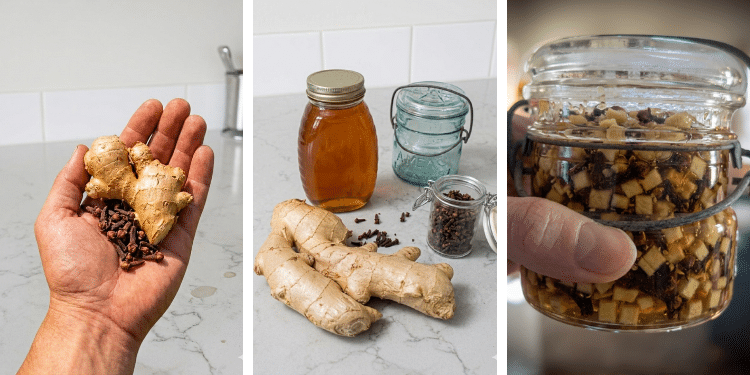
Prepare the Base: Slice 1 inch of fresh ginger root (peeled) and select 3–5 whole cloves.
-
Decoction: Unlike delicate herbal teas, these woody aromatics require a “decoction.” Place them in 2 cups of water and simmer (do not boil hard) for 10–15 minutes.
-
The Result: This process extracts the heavier phenolic compounds that a simple steep might miss.
Culinary Integration
The flavor profile of ginger and cloves is deep, earthy, and spicy.
-
Morning Smoothies: A pinch of ground cloves and a teaspoon of ginger juice can transform a green smoothie into a metabolic booster.
-
Savory Broths: Adding whole cloves and smashed ginger to bone broth or vegetable stock creates a “functional base” for soups and stews.
Safety, Dosage, and Considerations
While ginger and cloves are generally recognized as safe (GRAS) by food standards, their potency requires respect.
1. Blood-Thinning Properties
Both ginger and cloves have mild anti-platelet effects. If you are taking anticoagulant medications (like warfarin or aspirin), it is essential to consult with a healthcare provider before significantly increasing your intake of these spices.
2. Gastric Sensitivity
For most, this pairing soothes the stomach. However, in concentrated doses (especially on an empty stomach), the high essential oil content can cause heartburn or irritation for those with existing ulcers or severe acid reflux.
3. Quality and Sourcing
To ensure potency, source whole cloves rather than pre-ground powder. Whole cloves retain their essential oils for up to a year, whereas ground cloves oxidize rapidly. Similarly, fresh ginger root provides a broader spectrum of compounds than dried ginger powder.
The trend of using ginger and cloves together is a reflection of a larger shift toward “food as medicine.”
By understanding the specific chemical roles of gingerol and eugenol, we can move away from general wellness claims and toward a more targeted, effective use of our spice cabinets.