If you’re just getting into houseplants or looking to expand your collection, the pothos is an excellent choice. This plant has remained a favorite among household varieties—and for good reason!
The plant tolerates a wide range of conditions including low light and inconsistent watering. This indoor beginner’s friend even holds up well in homes with lower humidity, making it great for those dry winter months!
Pothos are vines that can grow on a desk or tabletop, climb or trail. The plant is also quite versatile – it’s easy to propagate with seeds for friends who enjoy sharing cuttings (which means you never have an empty walls space).
It will give your home some much needed greenery without taking up too much room so people always see its beautiful face!
Take a look at our favorite 9 low-maintenance pothos plants you should have in your home!
1. Golden Pothos
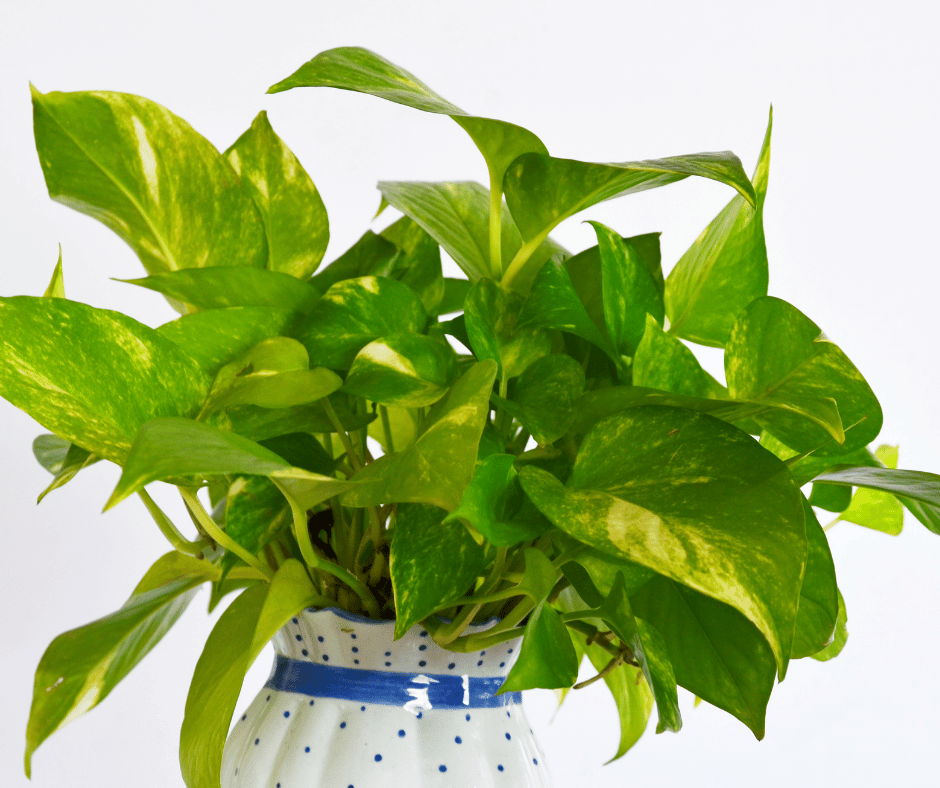
Golden Pothos is the best-known and most popular home indoor plant. Its leaves are typically larger than other varieties and can grow over a foot long in ideal conditions.
Why it’s loved:
- Extremely hardy and fast-growing.
- Perfect for beginners.
- Grows well in both low light and bright, indirect light.
- Can thrive in hanging baskets, pots, or climbing up supports.
Care tip: In brighter light, the golden variegation becomes more pronounced.
2. Neon Pothos
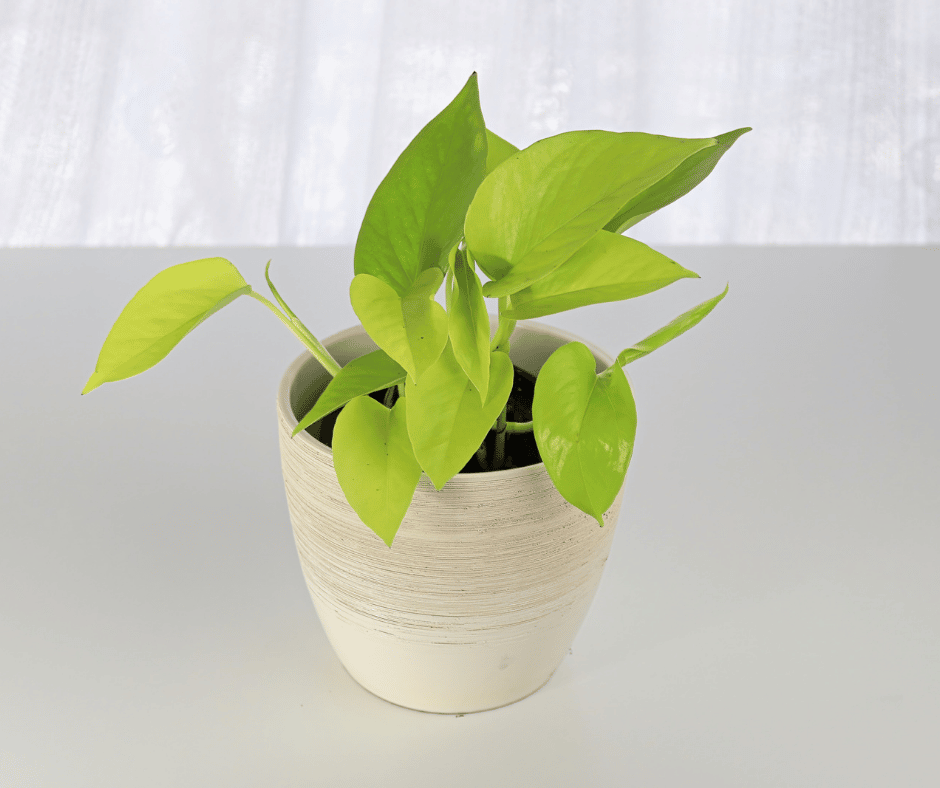
If you want a pop of bright color indoors, neon pothos delivers. Its chartreuse-green leaves glow with a near-luminous vibrancy, especially under bright, indirect light.
Why it stands out:
- Bold, electric color that stays vivid.
- Younger leaves are more neon than mature ones.
- Adds contrast when mixed with darker green varieties.
Care tip: While it tolerates low light, brighter spaces will preserve its iconic neon color best.
3. Marble Queen Pothos
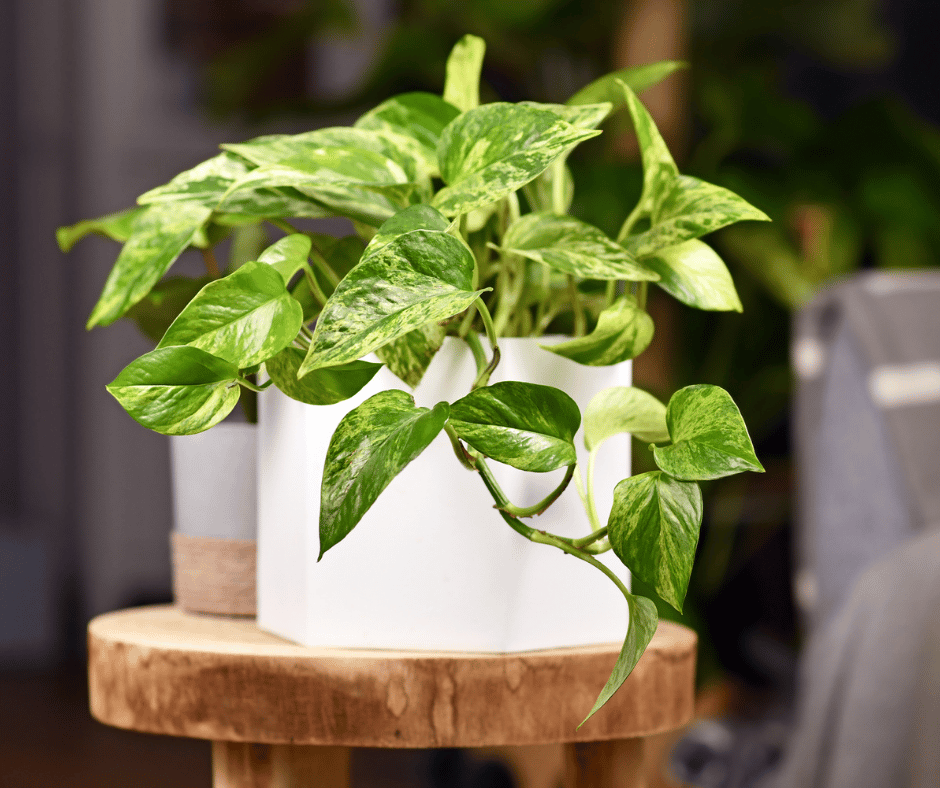
This creamy-white and green variegated variety is a showstopper. The foliage has a marbled effect, with each leaf offering a slightly different pattern of swirled white and green.
Why it’s special:
- Looks elegant and refined.
- Slower growing than Golden or Neon Pothos.
- Pairs beautifully with other plants in neutral-themed décor.
Care tip: Needs brighter light to maintain strong variegation. In low light, leaves may revert to green.
4. Manjula Pothos
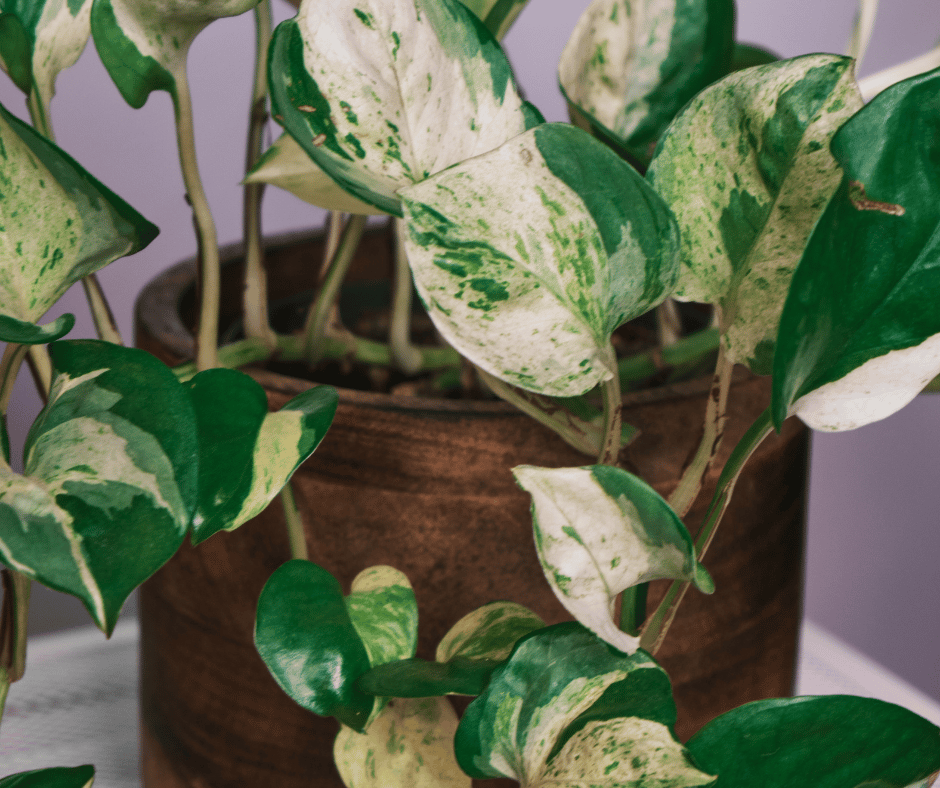
Manjula is a patented variety with broad, wavy leaves and highly unique variegation. Its marbling can include white, cream, light green, and dark green – all on the same plant. No two leaves are alike.
Why it’s unique:
- Some leaves resemble Marble Queen; others are nearly all white.
- Has a slightly ruffled or wavy texture to its foliage.
- A collector’s favorite.
Care tip: Needs good light to maintain its multicolored leaves. Avoid direct sun, which may burn the white sections.
5. Jessenia Pothos
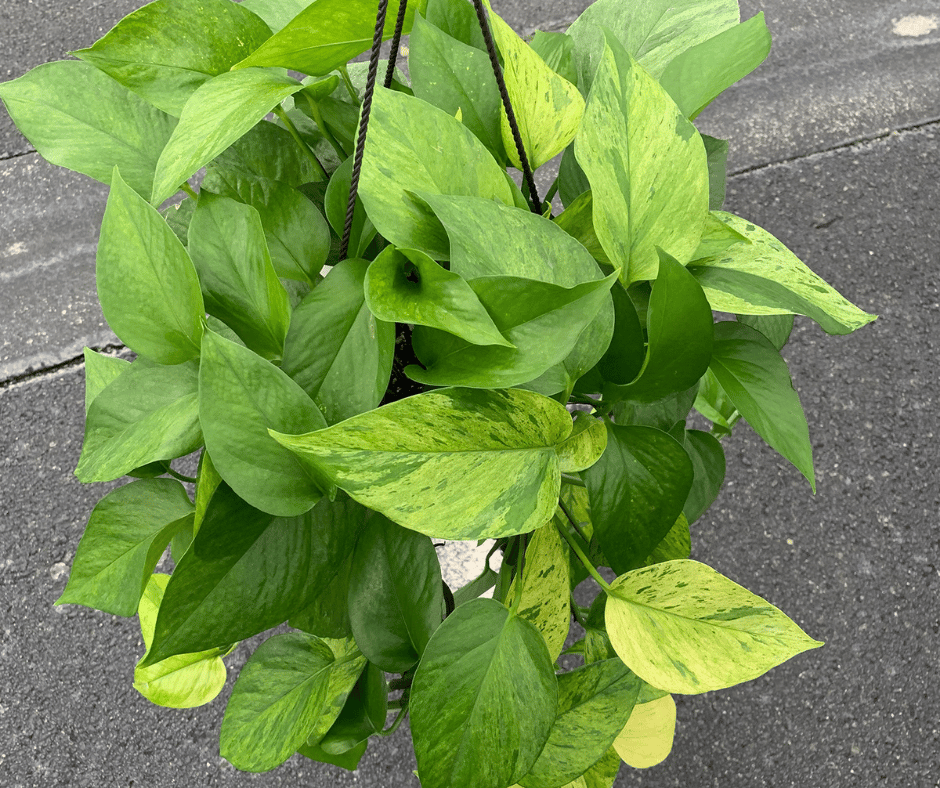
Jessenia features soft lime-to-dark green marbled leaves, similar to Marble Queen but with a more subtle variegation. Its muted color palette makes it an excellent choice for minimalist or boho-style interiors.
Why gardeners love it:
- Slower growing and well-suited to small spaces.
- Easy to propagate and train.
- Less common, so ideal for collectors.
Care tip: Like other variegated pothos, brighter filtered light brings out the best leaf patterns.
6. Pearls and Jade Pothos
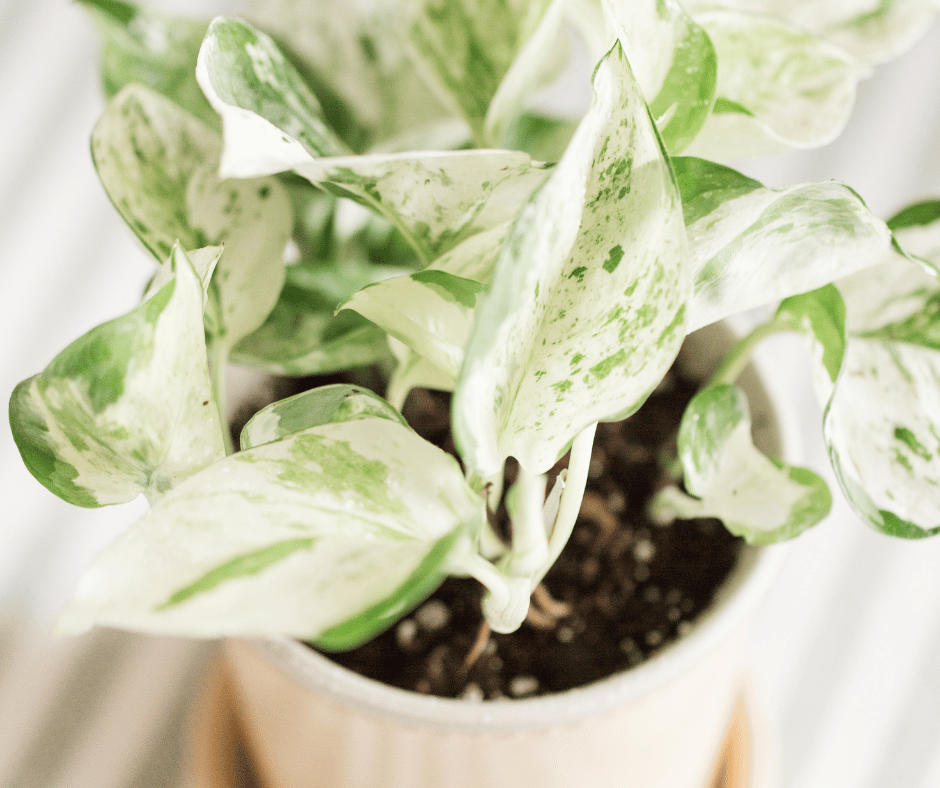
This variety produces smaller, pointed leaves with splashes of creamy white and green speckling – especially on the leaf margins. It’s compact and elegant, making it perfect for desktops or smaller containers.
Why it’s a gem:
- Looks delicate but is surprisingly hardy.
- Good for shelves or tight spaces.
- Developed by the University of Florida for ornamental appeal.
Care tip: Filtered light keeps the white sections from burning or fading. It also prefers slightly higher humidity.
7. Silver Satin Pothos
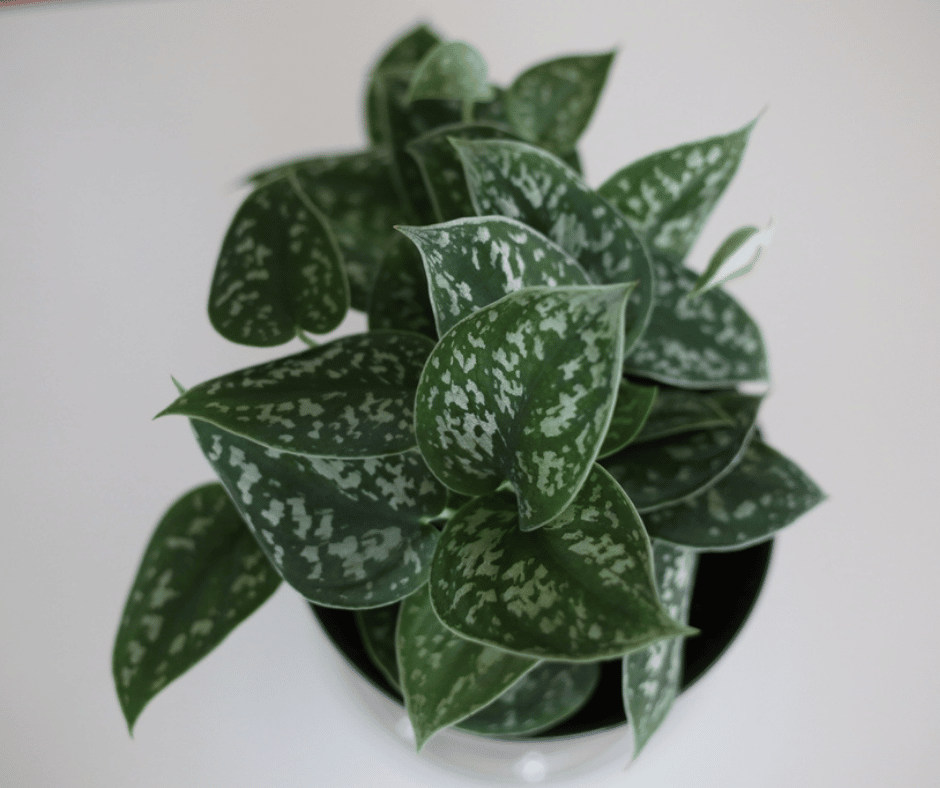
Although not a “true” pothos, this close relative is often grouped with pothos for its similar growth habit.
Silver Satin has deep green velvety leaves with silver speckling or patches that shimmer when they catch the light.
Why it’s a standout:
- Stunning foliage with a silvery shine.
- Tolerates low light better than many.
- Trails beautifully and works well in macrame hangers.
Care tip: Let the top inch of soil dry out before watering. Too much moisture can lead to root rot.
8. Cebu Blue Pothos
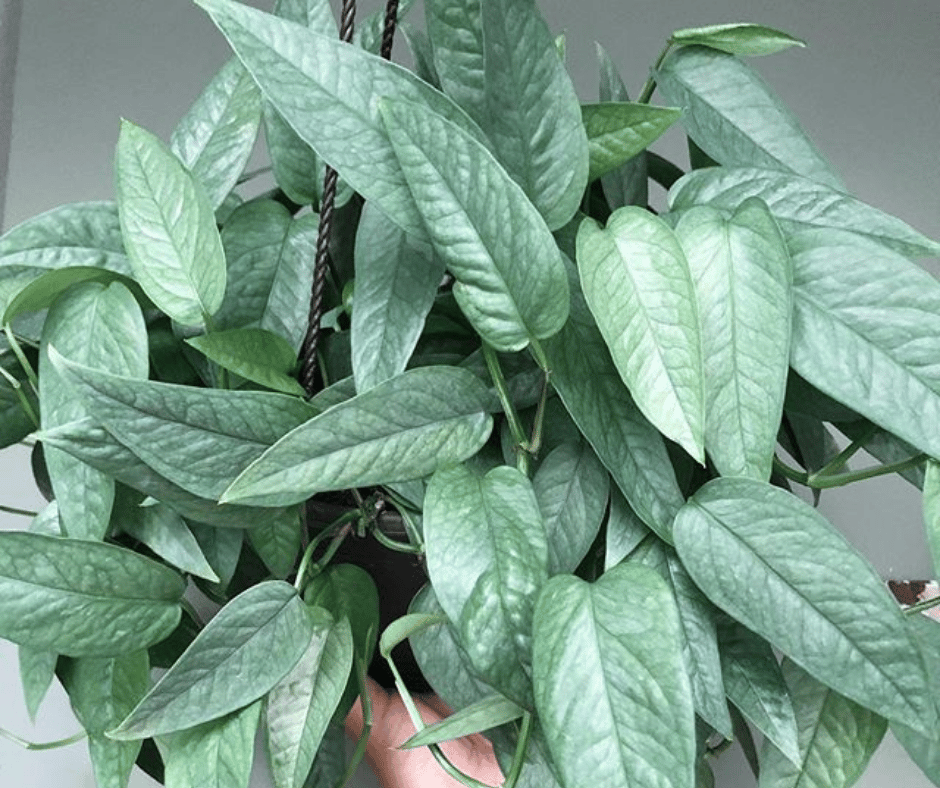
Another unusual type, Cebu Blue is prized for its narrow, arrow-shaped bluish-green leaves that develop fenestrations (natural splits) as they mature.
Why it’s so desirable:
- Exotic appearance unlike other pothos.
- Fenestrated foliage when given a climbing structure.
- Fast-growing when supported and well-fed.
Care tip: Give it a moss pole or trellis to encourage mature leaf shapes and fenestration.
9. Hawaiian Pothos
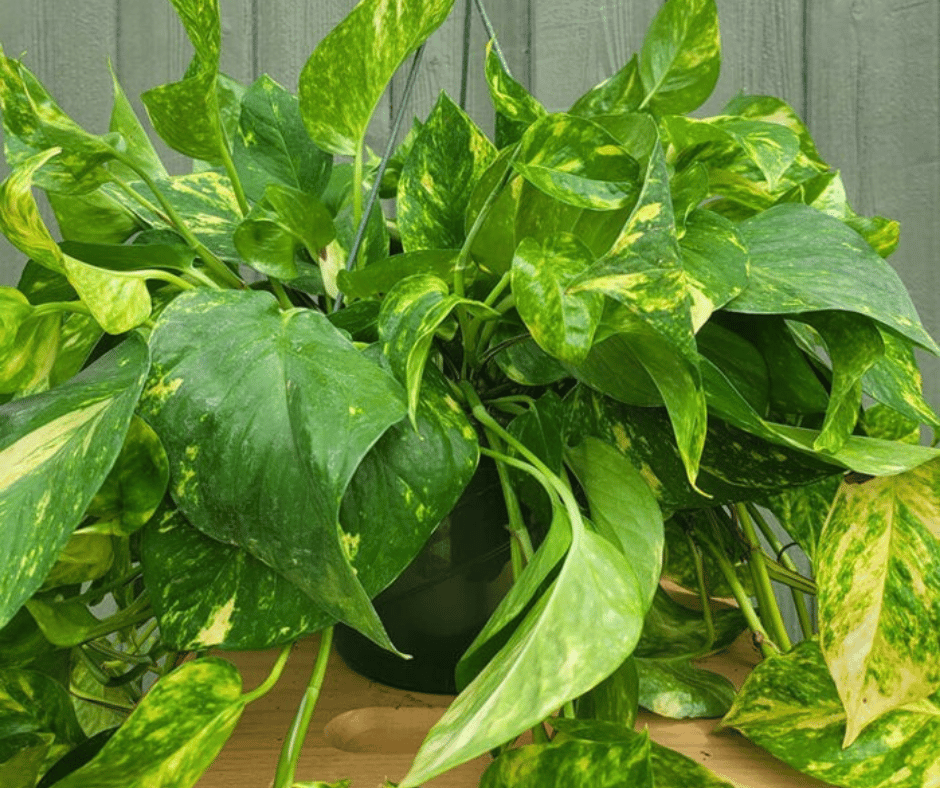
This variety is essentially a larger, more robust version of Golden Pothos. Its glossy leaves can grow massive – up to a foot long indoors and even larger outdoors.
Why it’s a powerhouse:
- Grows quickly and dramatically.
- Ideal for filling vertical space.
- Great for humid environments like kitchens and bathrooms.
Care tip: Provide space, support, and occasional pruning to control its sprawling nature.
Basic Care Tips for All Pothos Varieties
To keep your pothos healthy, regardless of the variety, follow these general guidelines:
- Light: Medium to bright indirect light is best. While they can survive in low light, growth slows and variegation may fade.
- Watering: Let the top inch or two of soil dry out between waterings. Overwatering is a common cause of yellow leaves and root rot.
- Soil: Use a well-draining potting mix. Pothos hate soggy roots.
- Temperature: Ideal range is 65–85°F. Keep away from drafts or cold windows.
- Humidity: Moderate humidity is fine, though pothos appreciate occasional misting—especially in dry seasons.
- Fertilizer: Feed once a month during the growing season (spring and summer) with a diluted liquid houseplant fertilizer.
Whether you’re growing your first houseplant or expanding a thriving indoor collection, pothos varieties offer something for every space and skill level.
From the classic Golden to the rare Cebu Blue, their beauty lies in both their form and function. They’re forgiving, easy to care for, and endlessly rewarding – making them a must-have for any plant lover.