We live in a world increasingly filled with synthetic chemicals—from household cleaning products and cosmetics to furniture materials and building supplies.
Over time, these pollutants accumulate in the air we breathe every day, impacting our health, productivity, and overall well-being.
Exposure to indoor air toxins can lead to a range of health issues, including headaches, respiratory irritation, fatigue, dizziness, and long-term chronic conditions.
However, there’s a natural and beautiful solution that not only helps clean the air but also enhances your living space: indoor plants.
Indoor plants do far more than beautify your home. Through a process called phytoremediation, they absorb harmful substances, convert carbon dioxide into fresh oxygen, and trap toxins in their leaves and roots.
Plus, they offer mental health benefits by reducing stress, increasing humidity, and improving focus and mood.
NASA’s Clean Air Study: The Science Behind Houseplants
Back in the late 1980s, NASA partnered with environmental scientist Dr. B.C. Wolverton to study the potential of indoor plants to purify air in sealed environments—such as space stations.
The study, known as the NASA Clean Air Study, revealed that several common houseplants are highly effective at removing volatile organic compounds (VOCs) from indoor air.
These VOCs are emitted from materials commonly found in homes and offices, including:
-
Formaldehyde: Found in furniture, glues, carpets, air fresheners, and fabrics
-
Benzene: Found in detergents, paint, rubber, and tobacco smoke
-
Trichloroethylene: Present in varnishes, paints, and adhesives
-
Xylene and Toluene: Found in nail polish, leather products, and permanent markers
-
Ammonia: Found in household cleaners, glass polish, and textiles
According to NASA’s findings, larger-leafed plants are generally more efficient at filtering air, and they recommend placing at least one plant per 100 square feet (10 square meters) for noticeable air purification benefits.
The 12 Best Indoor Plants for Air Purification
Here are the top 12 air-purifying plants, based on NASA’s Clean Air Study and additional research, that will help detoxify your home while adding life and beauty to your space.
1. Spider Plant (Chlorophytum comosum)
Best for: Kitchens, living rooms, beginner gardeners
One of the most resilient and easy-to-care-for houseplants, the spider plant is a champion at removing formaldehyde and carbon monoxide. According to NASA’s study, it removed up to 95% of formaldehyde from sealed environments.
-
Light: Bright, indirect light
-
Watering: Water moderately, allowing the top inch of soil to dry out
-
Bonus: Pet-safe and great for hanging baskets

2. English Ivy (Hedera helix)
Best for: Bathrooms, salons, home offices
English ivy is particularly effective at filtering out formaldehyde, benzene, xylene, and trichloroethylene—common chemicals in beauty and household products.
-
Light: Prefers indirect light
-
Watering: Keep soil evenly moist
-
Note: Can be toxic to pets, so place it out of reach

3. Boston Fern (Nephrolepis exaltata)
Best for: Humid environments like bathrooms
This elegant fern excels at removing formaldehyde and xylene, and it loves moist, humid air—making it perfect for steamy bathrooms.
-
Light: Indirect light to partial shade
-
Watering: Keep soil damp; mist regularly
-
Bonus: Adds humidity to dry rooms

4. Red-Edged Dracaena (Dracaena marginata)
Best for: Living rooms and entryways
This striking plant filters trichloroethylene, a chemical often found in paints and solvents. It’s also effective against formaldehyde and xylene.
-
Light: Bright, filtered light
-
Watering: Water when the top inch of soil is dry
-
Note: Toxic to pets if ingested

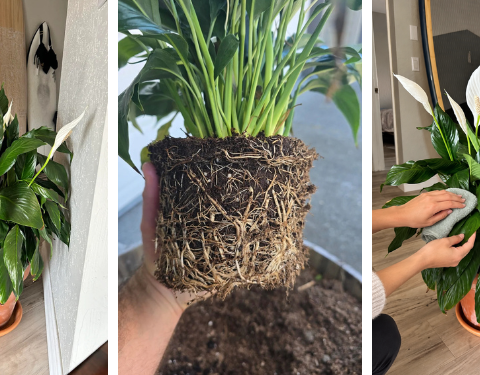
5. Peace Lily (Spathiphyllum spp.)
Best for: Bedrooms, bathrooms
Not only does the peace lily remove air pollutants, but it also absorbs mold spores and boosts room humidity through transpiration—releasing moisture from leaves.
-
Light: Low to medium light
-
Watering: Keep soil consistently moist
-
Note: Toxic to pets and children if consumed

6. Flamingo Lily (Anthurium andraeanum)
Best for: Bright, modern interiors
This tropical plant removes formaldehyde, ammonia, xylene, and toluene. Its shiny leaves and vivid flowers add a vibrant touch to any space.
-
Light: Bright, indirect light
-
Watering: Allow topsoil to dry slightly between waterings
-
Caution: Toxic if ingested
7. Chinese Evergreen (Aglaonema spp.)
Best for: Offices, desktops
This attractive foliage plant is easy to grow and filters out formaldehyde and benzene. It tolerates low light and is great for beginners.
-
Light: Low to medium light
-
Watering: Water moderately
-
Note: Toxic to pets and children

8. Weeping Fig (Ficus benjamina)
Best for: Bright corners and open spaces
The weeping fig removes formaldehyde, toluene, and xylene from the air. It prefers consistent conditions and may drop leaves if moved frequently.
-
Light: Bright, indirect sunlight
-
Watering: Let the top inch of soil dry before watering
-
Note: Toxic to pets

9. Bamboo Palm (Chamaedorea seifrizii)
Best for: Large living spaces and sunny corners
Known for removing formaldehyde and benzene, bamboo palms are also excellent natural humidifiers.
-
Light: Bright, indirect light
-
Watering: Keep soil moist but not soggy
-
Bonus: Safe for pets

10. Devil’s Ivy (Epipremnum aureum), a.k.a. Money Plant
Best for: Hanging baskets, bookshelves
This low-maintenance plant is ideal for beginners. It thrives in low light and cleans the air of benzene, formaldehyde, and xylene.
-
Light: Low to bright, indirect light
-
Watering: Allow soil to dry between waterings
-
Note: Toxic to pets if eaten

11. Snake Plant (Sansevieria trifasciata)
Best for: Bedrooms and bathrooms
Unique for its ability to release oxygen at night, the snake plant is perfect for improving bedroom air quality while filtering formaldehyde and other VOCs.
-
Light: Low to bright light
-
Watering: Minimal; water only when soil is dry
-
Bonus: Extremely low maintenance

12. Gerbera Daisy (Gerbera jamesonii)
Best for: Windowsills, sunrooms
These cheerful, bright flowers not only look beautiful but also remove formaldehyde, benzene, and trichloroethylene from indoor air.
-
Light: Full sun
-
Watering: Keep soil consistently moist
-
Bonus: Brightens up any room with a pop of color

Adding indoor plants to your living or working space is one of the simplest and most affordable ways to purify the air naturally.
They reduce toxins, boost oxygen levels, and add beauty and tranquility to any environment.
Whether you’re working from home, decorating a new space, or simply want to improve your health, these air-purifying plants offer a natural solution with plenty of aesthetic appeal.