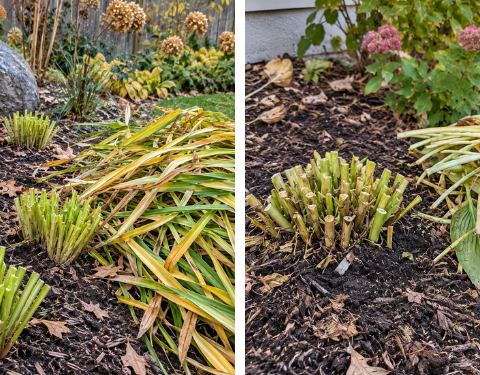
Did you know that many everyday kitchen items and leftovers can become secret weapons for your garden?
Instead of tossing these materials into the trash, you can give them a second life – nourishing your plants, improving soil health, deterring pests, and saving money in the process.
Here’s a detailed list of 24 clever ways to recycle kitchen scraps and common items into your gardening routine, helping you grow healthier, more productive plants while reducing waste.
1. Used Coffee Grounds
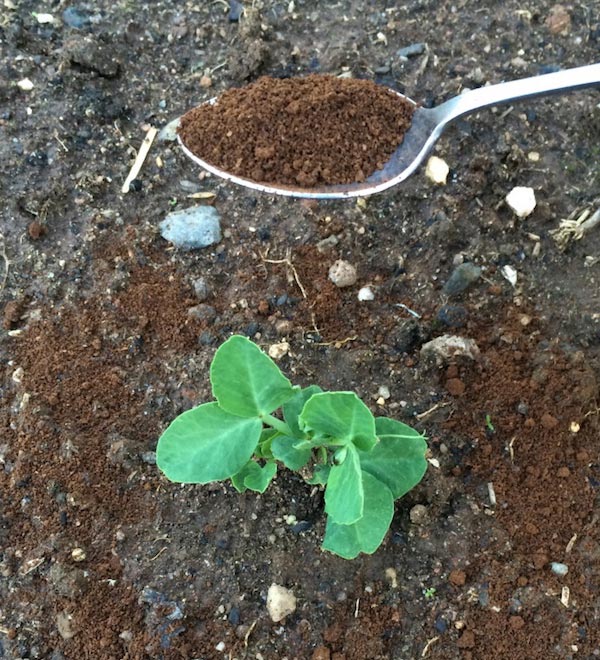
Don’t throw out those coffee grounds after your morning brew! Coffee grounds are rich in nitrogen, a nutrient essential for plant growth. They also improve soil texture and attract beneficial earthworms.
- Sprinkle directly around acid-loving plants like azaleas, blueberries, and hydrangeas.
- Add to compost piles to boost nitrogen levels.
- Mix into the soil to improve drainage and organic matter content.
Used grounds can also act as a mild pest repellent against slugs and snails.
2. Eggshells
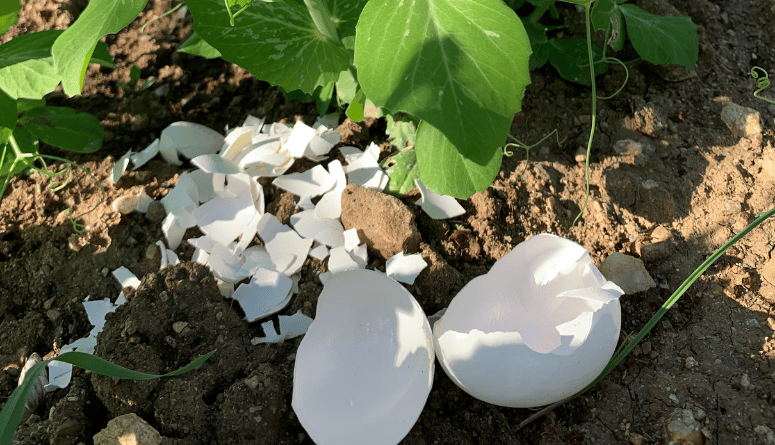
Eggshells are a natural source of calcium carbonate and also contain magnesium and phosphorus – nutrients crucial for strong cell structure and healthy plant growth.
- Crush shells finely and sprinkle around tomatoes, peppers, and squash to help prevent blossom end rot.
- Mix crushed shells into potting soil to improve calcium levels.
- Steep shells in water to create a mild calcium-rich “eggshell tea” fertilizer.
3. Old Milk Jugs
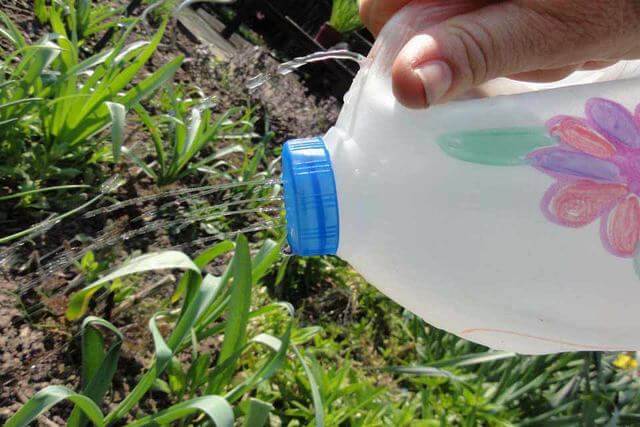
Empty plastic milk jugs are incredibly versatile in the garden.
- Poke small holes in the cap to create a DIY watering can.
- Cut off the top and use the bottom as a mini greenhouse cloche to protect seedlings from cold or pests.
- Use as scoops for soil, compost, or mulch.
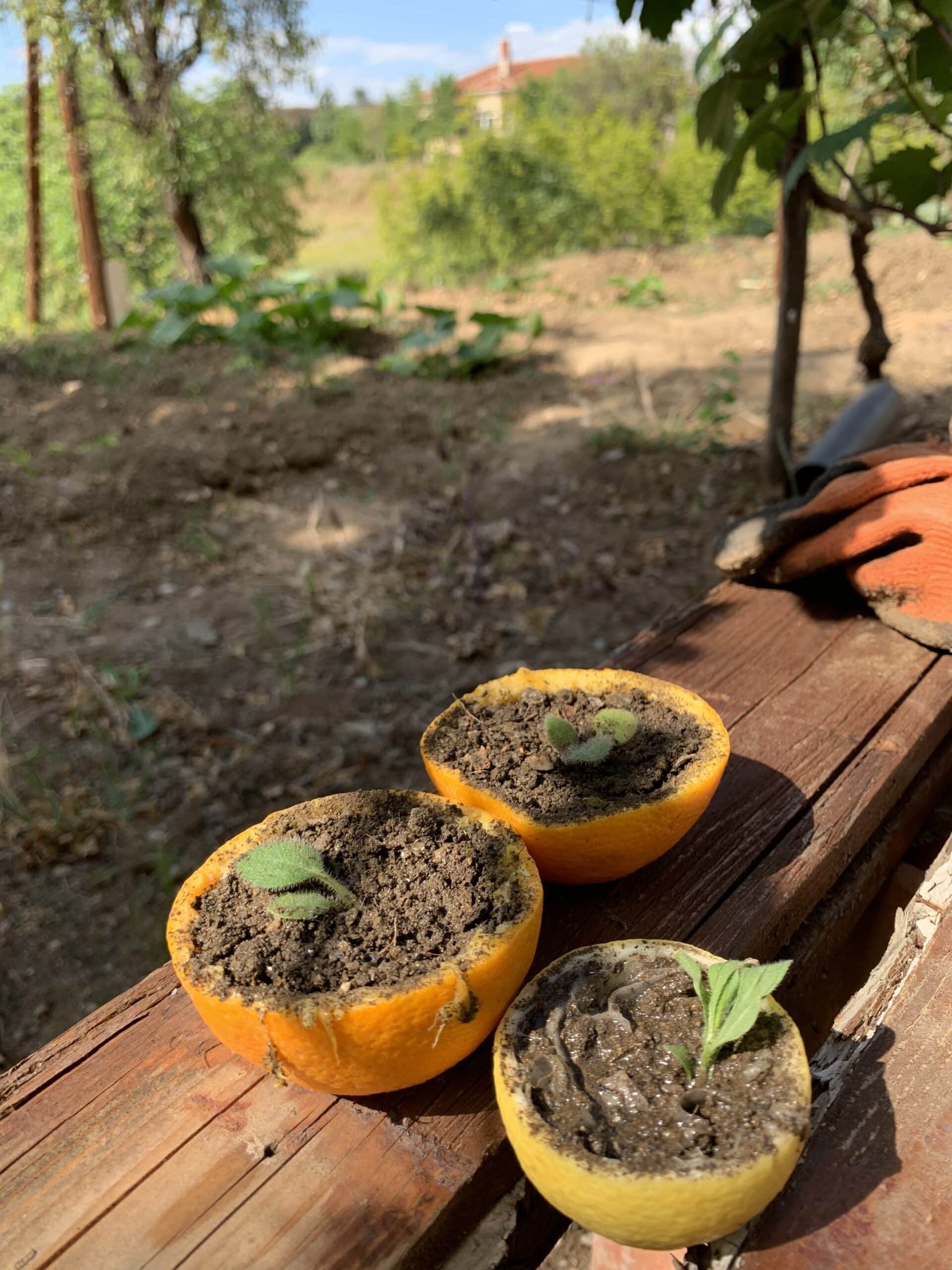
4. Citrus Peels to Start Seeds
Instead of disposable plastic seed starters, use citrus fruit halves as biodegradable seed pots.
- Scoop out the pulp.
- Poke a drainage hole in the bottom.
- Fill with potting mix and sow seeds.
When seedlings are ready, plant the entire citrus “pot” in the soil. As the peel decomposes, it adds nutrients to the ground.
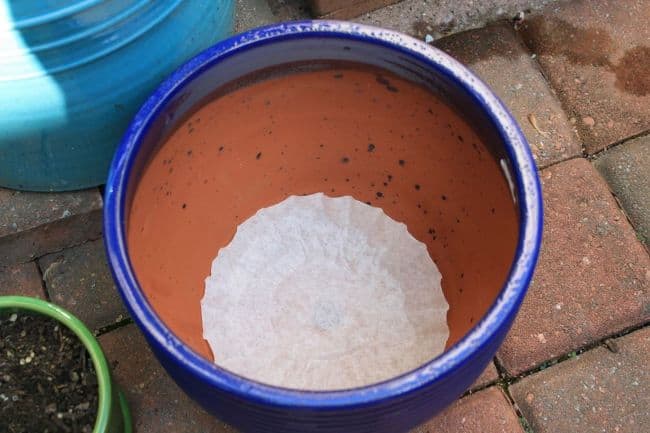
5. Coffee Filters in Pots
Coffee filters placed at the bottom of a pot keep soil from washing out while allowing water to drain freely.
- Perfect for houseplants and container gardening.
- Helps maintain soil integrity and prevents messes on shelves or windowsills.
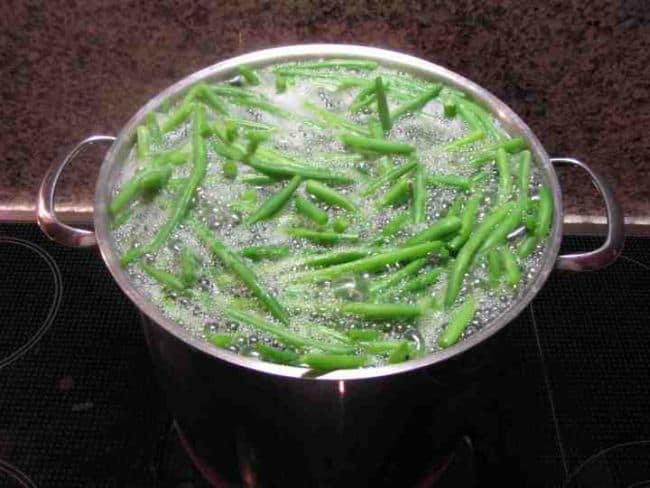
6. Vegetable Cooking Water
Don’t discard the water you used to boil vegetables. It’s filled with nutrients leached from the veggies.
- Let it cool completely.
- Use it to water your garden or houseplants for a gentle nutrient boost.
Avoid using heavily salted water, as too much salt can damage plants.
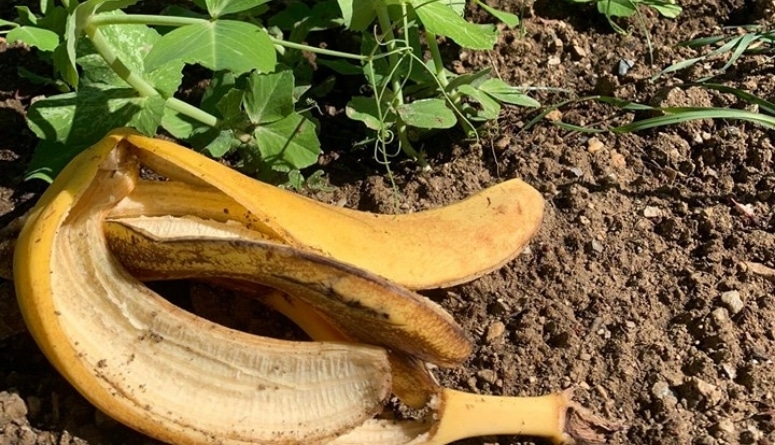
7. Banana and Orange Peels as Fertilizer
Banana peels are loaded with potassium, essential for flowering and fruiting plants. Orange peels contain beneficial organic matter and some natural pest-repelling properties.
- Chop peels and bury them around the base of plants.
- Dry peels and grind into a powder to sprinkle over soil.
- Add to compost piles to enrich nutrients.
8. Nutshells in Compost
Nutshells, such as peanut or pistachio shells, are great for compost but break down slowly due to their hard texture.
- Crush shells before adding them to speed up decomposition.
- Avoid black walnut shells, which contain juglone, a toxin harmful to many plants.
9. Paper Towel Rolls
Recycling paper towel or toilet paper rolls in your garden reduces waste and helps seedlings grow strong.
- Cut into small rings and place around seedlings to protect them from slugs.
- Use entire tubes as biodegradable seed starters. Fill with soil and sow seeds directly.
10. Pepper Leftovers as Pest Deterrent
Spicy peppers like jalapeños or cayenne contain capsaicin, which can deter pests.
- Blend pepper scraps with water, strain, and spray on plants as a natural insect repellent.
- Wear gloves when handling to avoid irritation.
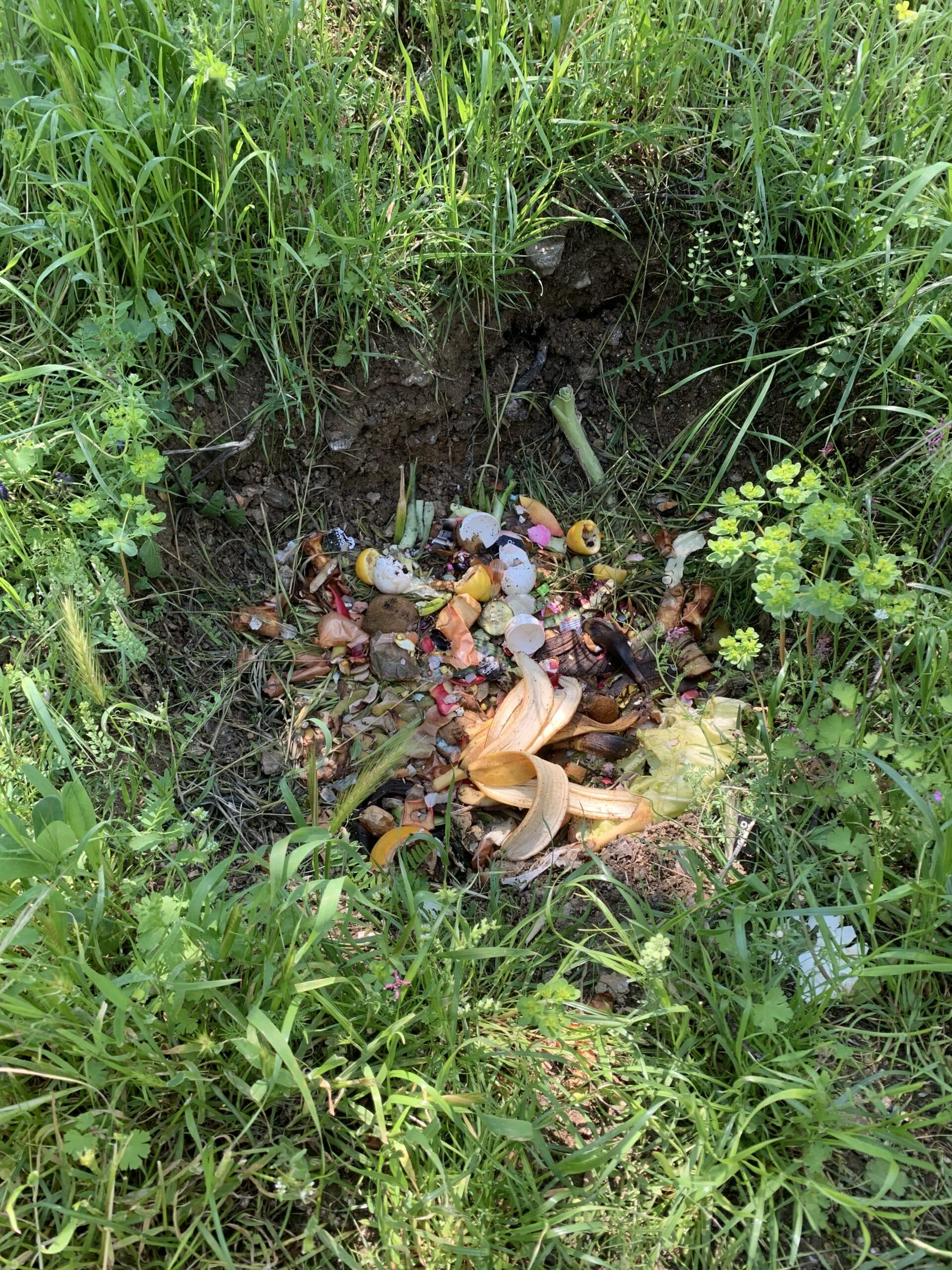
11. Fruit and Vegetable Scraps
Blending fruit and veggie scraps creates a nutrient-rich garden “smoothie.”
- Puree scraps with water.
- Mix into garden soil as a natural fertilizer.
- Bury directly into garden beds to decompose and feed soil microbes.
12. Kitchen Scraps for Indoor Plants
Regrow certain kitchen scraps into thriving houseplants:
- Avocado pits can be sprouted into decorative plants.
- Lemon seeds can grow into small citrus trees.
- Green onions regrow quickly from leftover roots in water.
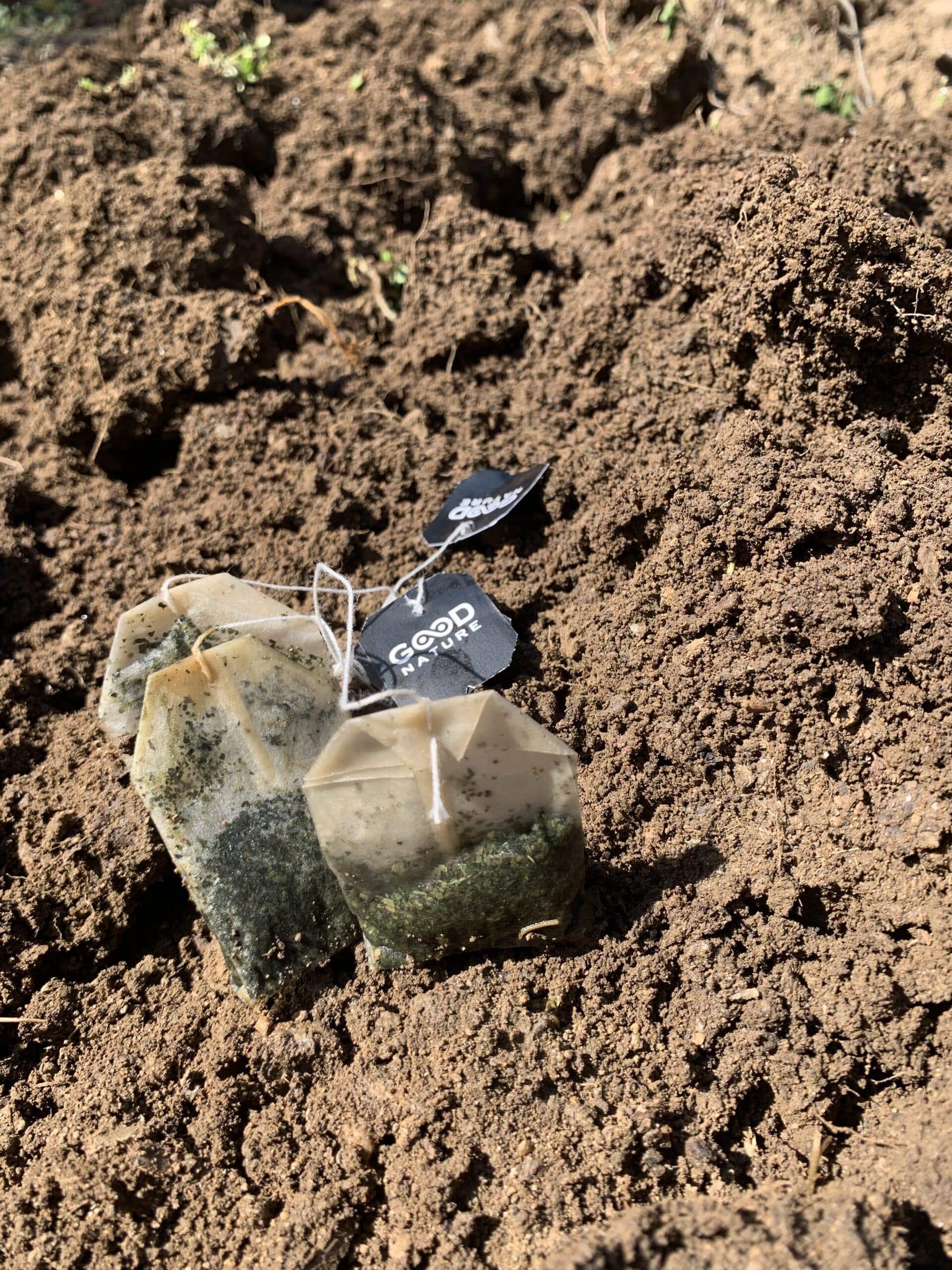
13. Used Tea Bags and Leaves
Tea leaves are rich in organic matter and mild nutrients like nitrogen.
- Sprinkle around plants to enrich soil.
- Add to compost for faster decomposition.
- Use used tea bags as seed starters by cutting them open and planting directly.
14. Rice Water
Water left over from rinsing or boiling rice contains beneficial starches and minerals.
- Let it cool, then water plants for an organic growth boost.
- Helps deter certain pests and promote healthy root systems.
15. Leftover Bones
Bones are a natural source of phosphorus and calcium.
- Clean and dry bones.
- Grind into bone meal for a slow-release fertilizer.
- Bury small bones in planting holes to slowly release nutrients as they decompose.
Bone meal is excellent for bulbs, flowering plants, and root crops.
16. Pepper, Onion, and Garlic Scraps for Pest Control
These pungent kitchen scraps make a powerful natural insect repellent.
- Steep chopped scraps in water for 1-7 days.
- Strain and spray on foliage to repel aphids, mites, and other pests.
Always test sprays on a small section of plants first to avoid damage.
17. Cinnamon for Fungal Protection
Cinnamon has natural antifungal and antibacterial properties.
- Dust cinnamon powder on soil surface to deter fungus gnats.
- Sprinkle on plant wounds to prevent infection after pruning.
18. Newspaper and Junk Mail as Mulch
Uncoated paper products make excellent mulch.
- Lay newspaper or shredded junk mail around plant bases to suppress weeds.
- Helps retain moisture and regulate soil temperature.
- Avoid glossy or colored inks.
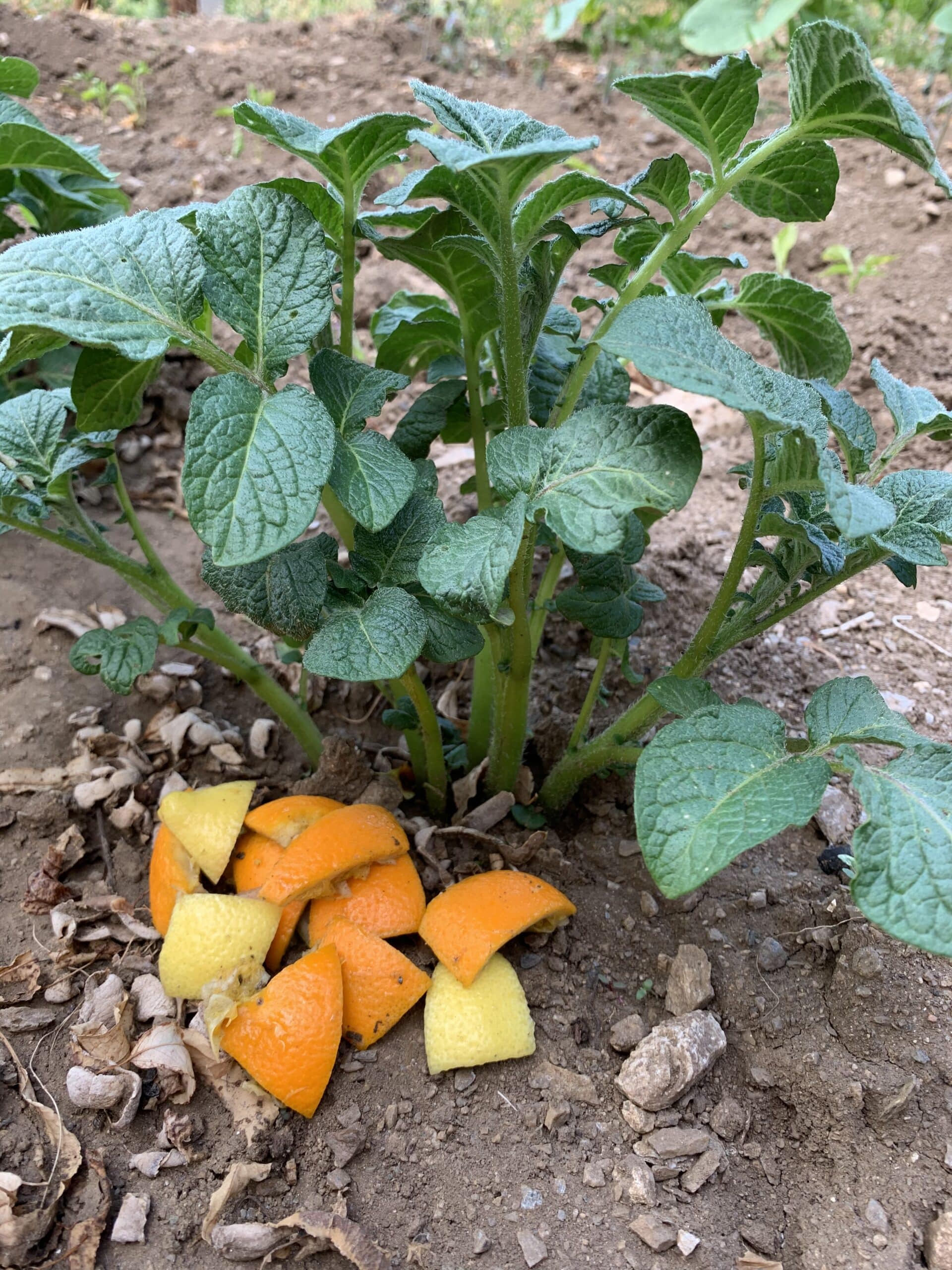
19. Citrus Peels as Cat Repellent
Tired of neighborhood cats using your garden as a litter box? Citrus peels are a safe deterrent.
- Scatter peels in garden beds.
- Rub peels along pathways cats frequent.
- The strong scent discourages feline visitors.
20. Whole Grain Cereals
Whole grain cereals and stale bread can nourish soil organisms.
- Dig small amounts into soil.
- Earthworms are attracted to the carbs, improving soil aeration and fertility.
Avoid cereals with added sugars or high salt content.
21. Milk and Water
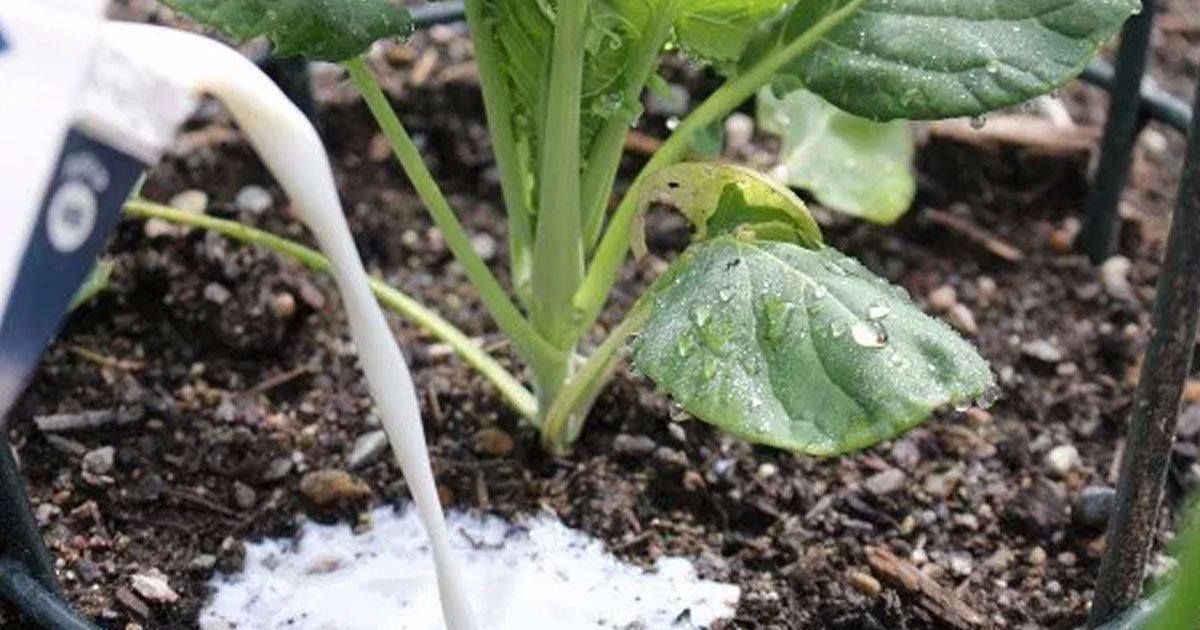
Diluted milk helps boost calcium levels and fight certain diseases.
- Mix milk with water at a 1:1 ratio.
- Spray on tomato plants to help prevent blossom end rot.
- Helps deter powdery mildew on leaves.
22. Fish Heads
Fish heads and carcasses are traditional fertilizers rich in nitrogen, phosphorus, and trace minerals.
- Bury fish heads deep in planting holes before setting plants.
- Helps boost growth in vegetables like tomatoes and corn.
Always bury deeply to avoid odors and animals digging them up.
23. Pasta Water
Leftover pasta water contains starch and small amounts of minerals beneficial for plant growth.
- Let it cool and use to water houseplants or garden beds.
- Provides a mild nutrient boost without harsh chemicals.
Avoid salted pasta water, as salt can harm plants.
24. Egg Cartons for Seed Starters
Empty cardboard egg cartons make perfect seed-starting trays.
- Fill each compartment with potting soil.
- Sow seeds directly into the cups.
- When seedlings are ready, cut apart and plant the entire cup into the soil, where it will biodegrade.
Your kitchen isn’t just for cooking – it’s also a goldmine of resources for sustainable gardening.
Repurposing everyday kitchen items and leftovers not only reduces waste but also boosts the health of your plants and soil.
Whether you’re composting coffee grounds, burying fish heads, or starting seedlings in citrus peels, these small actions can transform your gardening game and help you cultivate a greener, more sustainable world.