Spider plants (Chlorophytum comosum) are among the most popular houseplants in the world – and for good reason.
They’re hardy, adaptable, and beautifully eye-catching with their arching green-and-white striped leaves and cascading baby plantlets (also called spiderettes).
But while spider plants are known for being easy to care for, many growers struggle with one common issue: a leggy or sparse appearance.
If your spider plant is looking more scraggly than spectacular, don’t worry. With the right care and a few strategic changes, you can transform it into a bushy, full, and lush centerpiece.
Why Is My Spider Plant Not Bushy?
Several factors contribute to a spider plant that looks thin or leggy:
- Inadequate light
- Poor pruning habits
- Overcrowded roots
- Infrequent watering or inconsistent feeding
- Lack of propagation or rejuvenation
By addressing these issues with the techniques below, you can encourage more foliage growth, healthier roots, and more spiderettes, resulting in a denser, fuller plant.
1. Provide Bright, Indirect Light
Light plays a crucial role in plant health, especially in how full and compact your spider plant grows.
Why It Matters:
Spider plants need bright, indirect light to thrive. Too little light leads to pale, leggy growth as the plant stretches toward the sun.
On the other hand, direct sunlight can scorch the leaves, causing brown tips and leaf damage.
Solution:
- Place your spider plant near a north- or east-facing window.
- For west- or south-facing windows, use sheer curtains to filter intense sunlight.
- In low-light rooms, consider using a full-spectrum LED grow light for 10–12 hours daily.
Result:
Better light encourages compact, vigorous foliage and promotes the development of new shoots, giving your plant a fuller look.
2. Prune Regularly and Strategically
Pruning isn’t just about cutting back – it’s about shaping and stimulating new growth.
Why It Matters:
By removing older or leggy leaves and spent flower stalks, you help redirect the plant’s energy to producing new, fuller foliage.
How to Prune:
- Use clean, sharp scissors or pruning shears.
- Cut yellow, brown, or damaged leaves at the base.
- Trim long, bare stems that are crowding the center.
- Remove older flower stems to tidy the plant.
Bonus Tip:
Occasionally prune healthy leaves too – just a few at a time. This can encourage new growth from the crown, helping the plant grow outwards rather than just up or down.
3. Divide or Repot an Overcrowded Plant
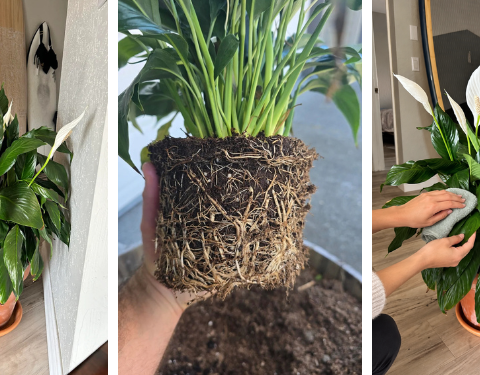
Spider plants grow fast and often become root-bound, meaning the roots circle the pot and leave little room for soil or moisture. This limits nutrient access and can slow down leaf production.
Signs Your Plant Needs Dividing or Repotting:
- Roots poking out of the drainage holes
- Slowed growth despite good care
- Leaves wilting or yellowing
- Soil drying out too fast
What to Do:
- Gently remove the plant from its pot.
- If roots are tightly bound, gently loosen them or trim 10–20% off.
- Repot into a container 1–2 inches larger than the current one, using fresh potting mix.
- Or divide the plant and place sections into smaller pots.
Result:
New space and nutrients reinvigorate the plant, encouraging more leaf production and a thicker appearance.
4. Use the Right Potting Mix
A healthy root system = a fuller plant above the soil.
Spider plants do best in loose, well-draining potting mix that retains some moisture but doesn’t stay soggy.
Best Soil Recipe:
- 2 parts all-purpose potting mix
- 1 part perlite or coarse sand (for drainage)
- 1 part coco coir or peat moss (for moisture retention)
Avoid heavy, compacted soils or anything that stays wet too long – this can lead to root rot, which reduces vigor and growth.
5. Water Consistently – but Not Too Much
Both overwatering and underwatering can lead to stressed, sparse spider plants.
Watering Tips:
- Water when the top 1–2 inches of soil feels dry.
- Always allow excess water to drain – never let the plant sit in water.
- Reduce watering in winter when growth slows.
- Use room temperature, filtered water if possible (fluoride in tap water can cause brown tips).
Result:
A well-hydrated spider plant has strong roots and lush leaves, making it look fuller and more vibrant.
6. Feed Monthly During Active Growth
Feeding your spider plant ensures it gets the nutrients needed for continuous leaf and plantlet production.
Fertilizing Schedule:
- Use a balanced liquid houseplant fertilizer (e.g., 10-10-10 or 20-20-20).
- Feed once a month in spring and summer.
- Skip or reduce fertilizing in fall and winter.
Over-fertilization can cause salt buildup and leaf burn, so always dilute fertilizer to half strength.
Organic Alternatives:
- Worm castings
- Compost tea
- Fish emulsion
7. Propagate and Replant Spiderettes
Want a truly bushy plant? Use your spider plant’s babies to your advantage.
How to Propagate:
- Choose healthy spiderettes with tiny roots.
- Snip them off and root in water or soil.
- Once rooted, plant them back into the mother pot to fill it out.
Bonus Trick:
Plant 2–3 baby spiderettes in the same pot to instantly thicken the foliage density. Over time, these will grow and blend in seamlessly.
8. Rotate the Plant Regularly
Spider plants naturally grow toward the light. If you don’t rotate the pot, it may grow lopsided or sparse on one side.
Rotation Tips:
- Turn the plant 180 degrees every 1–2 weeks.
- This ensures all sides get equal exposure and helps maintain a symmetrical, balanced look.
Extra Tips to Make Spider Plants Even More Lush
1. Humidity Helps
While spider plants tolerate average humidity, higher levels (40–60%) promote shinier leaves and better growth. Use a pebble tray or humidifier if needed.
2. Clean the Leaves
Dust can block light and slow photosynthesis. Wipe leaves gently with a damp cloth once a month to keep them healthy and glossy.
3. Remove Flower Spikes
Spider plants send out long shoots to produce baby plants after flowering. If you prefer denser foliage over propagation, trim the spikes to redirect energy into the main plant.
4. Choose the Right Pot Size
Don’t go too big or too small. A pot that’s too large holds excess moisture and slows growth; too small leads to root stress. A pot just slightly larger than the root ball is ideal.
Common Mistakes to Avoid
| Mistake | Problem Caused | Solution |
|---|---|---|
| Overwatering | Root rot, yellowing leaves, poor growth | Water only when top inch of soil is dry |
| Too little light | Leggy stems, sparse growth | Move to brighter, indirect light |
| Skipping pruning | Overcrowding, slow new growth | Prune regularly to encourage bushiness |
| Ignoring root-bound signs | Limited water/nutrient uptake | Repot every 1–2 years |
| Using poor soil | Compacted roots, rot or dehydration | Use light, well-draining mix |
Frequently Asked Questions
Can you cut back spider plants to make them bushier?
Yes! Cutting leggy stems and trimming healthy leaves encourages new leaf growth from the center, making the plant look fuller.
Should I remove spiderettes from my spider plant?
It depends. If you want to redirect energy back into the main plant for leaf growth, remove the babies. You can also replant them into the same pot to increase bushiness.
How long does it take for a spider plant to become bushy?
With the right care and tricks, your spider plant can show noticeable bushier growth in as little as 4–8 weeks.
How do you thicken spider plant leaves?
Thick, vibrant leaves come from:
- Proper lighting
- Adequate humidity
- Consistent watering
- Occasional feeding
Avoid dry air, overwatering, or extreme heat, which can thin out foliage.
Spider plants are resilient, forgiving, and incredibly rewarding to grow – but unlocking their full, lush potential requires a bit of strategy.
By focusing on light, soil, watering, pruning, and propagation, you can turn a spindly plant into a vibrant, eye-catching green fountain of foliage.