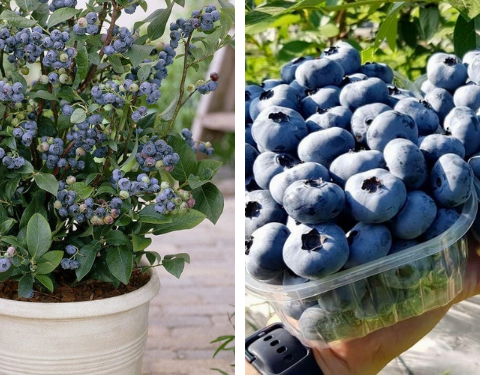
Blueberries are one of the healthiest and most rewarding fruits you can grow in your backyard or even in containers on a patio.
Packed with antioxidants, vitamins, and fiber, blueberries are not only a superfood but also a delightful addition to any garden.
They are relatively low-maintenance once established and can produce fruit for decades with proper care.
Whether you’re a seasoned gardener or a beginner, this guide will walk you through everything you need to know to grow your own blueberries successfully, from choosing the right varieties to planting, pruning, and harvesting.
Why Grow Blueberries?
Before diving into the how-to, it’s worth exploring the benefits of growing blueberries at home:
-
Rich in antioxidants, particularly anthocyanins, which promote heart and brain health
-
Require little space and are suitable for container gardening
-
Attract pollinators like bees and butterflies
-
Long lifespan, producing fruit for 20 years or more with proper care
-
Enhance your garden’s aesthetics with beautiful foliage and spring blossoms
Choosing the Right Blueberry Variety
There are several types of blueberries, and choosing the right one depends on your climate and available space.
1. Highbush Blueberries (Vaccinium corymbosum)
-
Most common type for home gardens
-
Grows 4 to 6 feet tall
-
Ideal for USDA zones 4 to 7
2. Lowbush Blueberries (Vaccinium angustifolium)
-
Grows 1 to 2 feet tall
-
Hardy and tolerant of cold weather
-
Produces smaller, sweeter berries
-
Best for USDA zones 3 to 6
3. Rabbiteye Blueberries (Vaccinium ashei)
-
Native to the Southeastern U.S.
-
Grows up to 10 feet tall
-
Requires long growing seasons
-
Suitable for USDA zones 7 to 9
4. Half-High Hybrids
-
Cross between highbush and lowbush
-
Ideal for cold climates
-
Compact and container-friendly
-
Suitable for USDA zones 3 to 7
Tip: Plant at least two different varieties for cross-pollination and improved yields, unless you’re using a self-pollinating cultivar.
Selecting the Perfect Location
Blueberries thrive in full sun and well-drained, acidic soil. Choose a site with the following conditions:
-
Sunlight: Minimum of 6 to 8 hours per day
-
Soil pH: 4.5 to 5.5 (acidic)
-
Drainage: Well-drained sandy or loamy soil
-
Shelter: Protection from strong winds and frost pockets
Use a soil test kit to determine your soil’s pH and amend it with elemental sulfur if necessary.
How to Plant Blueberries
When to Plant
-
Best planted in early spring or late fall when the plant is dormant
Spacing
-
Highbush: 4 to 6 feet apart
-
Lowbush: 2 to 3 feet apart
-
Rabbiteye: 6 to 8 feet apart
Steps for Planting
-
Prepare the soil by incorporating organic matter like peat moss, pine bark, or compost.
-
Dig a hole twice as wide and the same depth as the root ball.
-
Place the plant in the hole, spreading out the roots gently.
-
Backfill with soil and water thoroughly.
-
Mulch around the base with pine needles, bark, or wood chips to retain moisture and maintain soil acidity.
Watering and Feeding
Watering
-
Keep soil consistently moist, especially during the first two years
-
Provide about 1 to 2 inches of water per week
-
Avoid waterlogged soil, which can lead to root rot
Fertilizing
-
Use a fertilizer formulated for acid-loving plants, such as those for azaleas or rhododendrons
-
Apply a balanced fertilizer (10-10-10) in early spring and again in late spring
-
Avoid over-fertilization, which can damage roots and delay fruiting
Pruning Blueberry Plants
Pruning is essential for maintaining plant health, shape, and productivity.
When to Prune
-
Prune in late winter or early spring while the plant is still dormant
How to Prune
-
Remove dead, damaged, or crossing branches
-
Cut back old canes to encourage new growth
-
Aim to leave 6 to 8 strong, healthy canes per mature plant
Regular pruning ensures that sunlight and air can circulate through the plant, reducing the risk of disease and improving fruit quality.
Protecting Your Crop
Common Pests and Solutions
-
Birds: Use bird netting or scare devices like reflective tape
-
Mites and aphids: Apply neem oil or insecticidal soap
-
Deer and rabbits: Install fencing around your plants
Diseases to Watch For
-
Mummy berry: A fungal disease that causes berries to shrivel
-
Botrytis blight: Causes flowers and fruit to rot
-
Root rot: Caused by overwatering or poor drainage
Proper spacing, good air circulation, and routine maintenance go a long way in preventing disease.
Harvesting Blueberries
Blueberries typically begin fruiting in their second or third year. Full production begins around year 4 or 5.
How to Know When They’re Ripe
-
Berries turn a deep blue color and develop a powdery bloom
-
Fully ripe berries will come off the stem easily
-
Avoid picking them too early, as they won’t ripen off the bush
Harvest Tips
-
Pick in the morning when the berries are cool
-
Store unwashed berries in the refrigerator for up to 10 days
-
Freeze excess berries in a single layer before transferring to bags
Growing Blueberries in Containers
If you’re short on garden space or want to grow blueberries on a balcony or patio, container gardening is a great option.
Container Requirements
-
Use a container at least 18 to 24 inches deep and wide
-
Ensure good drainage with holes at the bottom
-
Fill with acidic potting mix or a blend of peat moss, bark, and perlite
Care Tips
-
Water more frequently, as containers dry out quickly
-
Feed with a slow-release, acid-loving fertilizer
-
Overwinter containers in unheated garages or insulate with straw or burlap
Growing your own blueberries is a fulfilling gardening project that pays off year after year with fresh, delicious, and nutrient-rich fruit.
With the right soil, a little care, and proper pruning, your blueberry bushes will thrive and reward you with bountiful harvests each summer.
Whether you grow them in the ground or in pots, blueberries are an excellent choice for gardeners of all skill levels. Add them to your garden and enjoy the satisfaction of picking fresh berries straight from your own backyard.