Succulents are adored for their striking shapes, dazzling colors, and nearly indestructible nature. Yet while many growers are content with small, tidy rosettes, there’s a growing trend among succulent lovers to go BIG.
Imagine a massive echeveria with leaves spanning a foot across or a towering aloe with statuesque presence – these giant succulents become living sculptures in your garden or home.
But here’s the catch: succulents are naturally slow growers. So how can you grow giant big succulents faster while keeping them healthy and vibrant?
It’s possible – if you understand what makes succulents thrive and how to create the perfect conditions for vigorous growth.
Why Do Some Succulents Grow Slowly?
Succulents come from harsh environments where survival – not rapid growth – is the goal. Many species store water in leaves and stems to endure droughts, which naturally slows their metabolism.
Common reasons succulents grow slowly:
Low light levels.
- Poor soil nutrition.
- Infrequent watering.
- Limited root space.
- Cold temperatures.
To encourage faster growth, we need to gently push succulents beyond their comfort zone—without stressing them to the point of damage.
Trick #1: Give Them More Sunlight
Light is the single most important factor for succulent growth. Many small succulents stay compact because they receive too little light.
How to Maximize Sunlight:
- Place succulents in bright, indirect sunlight for 6–8 hours daily.
- Outdoors, morning sun with afternoon shade is ideal, especially in hot climates.
- Indoors, choose the brightest south or west-facing window.
- Consider grow lights if your indoor space lacks natural sun.
Caution: Introduce succulents gradually to intense light to avoid sunburn.
Why it works: Adequate light increases photosynthesis, fueling faster growth and larger leaves.
Trick #2: Use Nutrient-Rich Soil (But Not Too Rich)
While succulents survive in lean soil, they won’t thrive without some nutrition. To grow giants, use soil that drains well yet contains balanced nutrients.
Best Soil Mix for Big Succulents:
Mix:
- 50% cactus mix or potting soil
- 25% perlite or pumice
- 25% compost or worm castings
Avoid pure sand, which can dry out roots too quickly.
Why it works: Richer soil supports stronger roots and leaf production, promoting bigger growth.
Trick #3: Fertilize Wisely (But Sparingly)
Succulents don’t need heavy feeding, but occasional fertilizing can stimulate growth spurts.
How to Fertilize Succulents:
- Use a balanced, water-soluble fertilizer diluted to half strength.
- Feed once per month during the active growing season (spring/summer).
- Skip fertilizing during winter dormancy.
Good fertilizers for succulents:
- 10-10-10 or 20-20-20
- Slow-release granular fertilizers
Over-fertilizing can cause soft growth prone to rot – so moderation is key.
Why it works: Controlled feeding provides essential nutrients for faster cell division and larger leaves.
Trick #4: Water More Regularly (But Not Excessively)
Here’s a secret many growers miss: succulents grow bigger and faster with regular watering—as long as the soil drains well.
Proper Watering Technique:
- Water deeply until it runs from the pot’s drainage holes.
- Let the soil dry partially (but not bone dry) before watering again.
- In summer, this might mean watering every 5–7 days.
Indoor succulents often need less frequent watering due to lower evaporation.
Signs your succulent needs water:
- Leaves feel soft instead of firm.
- Lower leaves shrivel.
Why it works: Consistent water supports rapid growth and larger leaf production.
Trick #5: Choose Larger Pots for Larger Growth
A succulent’s size is often limited by the size of its container. To grow giants, upgrade your pot.
When to Repot:
- Roots circling the pot’s edge.
- Soil drying out too quickly.
- Plant appears top-heavy.
Choose pots 1–2 inches wider than the current root ball.
Pot Tip: Always use pots with drainage holes to prevent root rot.
Why it works: Larger root space gives succulents room to expand, supporting bigger leaves and stems.
Trick #6: Prune Strategically
Pruning isn’t just for looks – it can help succulents grow bigger, faster.
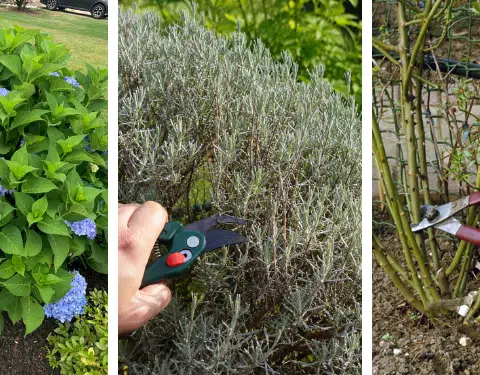
How to Prune Succulents:
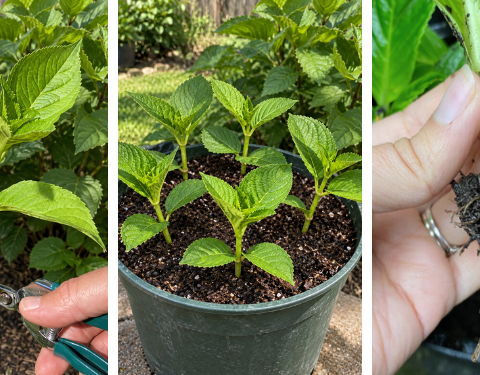
- Cut leggy stems back to encourage branching.
- Remove smaller offsets to direct energy into the main plant.
- Use sterilized scissors or pruning shears.
For species like Echeveria, removing smaller rosettes can channel resources into creating a giant central rosette.
Why it works: Pruning redirects energy to fewer growing points, resulting in larger growth.
Trick #7: Keep Temperatures Warm
Succulents grow fastest between 65–85°F (18–29°C). While many tolerate cold, growth slows dramatically below 50°F.
Ideal Growing Environment:
- Indoors: Avoid cold drafts and chilly windowsills.
- Outdoors: Provide shelter during cold snaps.
Some succulents, like aloe or jade, grow incredibly fast in warm, sunny conditions.
Why it works: Warmer temperatures speed up plant metabolism, promoting faster growth.
Trick #8: Rotate Plants Regularly
Sunlight often comes from one direction, causing uneven growth. For big, symmetrical succulents, rotate pots every few weeks.
Why it works: Rotation ensures all sides receive equal light, producing balanced growth.
Trick #9: Remove Offsets (If You Want a Single Giant Plant)
Many succulents produce offsets (babies). While charming, these sap energy from the main plant.
How to Remove Offsets:
- Gently pull or cut offsets at the base.
- Let cuts callous over for a few days before replanting.
If your goal is a single massive rosette (like a giant Echeveria), removing offsets can help.
Why it works: Offsets steal nutrients. Removing them concentrates growth on the parent plant.
Trick #10: Be Patient – Growth Takes Time
Even with these tricks, succulents are inherently slow growers. The good news? Each year, they get noticeably bigger. Giant agaves, aloes, and echeverias often take several seasons to reach their full size.
- Agave americana: Can grow 6 feet tall—but may take 5–10 years.
- Aloe vera: Grows rapidly in warm conditions, doubling in size each year.
- Echeveria gigantea: Takes 3–5 years to form foot-wide rosettes.
While you can speed growth, patience is your best friend.
Bonus: Top Succulents That Grow Big
Some succulents naturally reach impressive sizes:
Agave americana
- Grows 5–7 feet tall.
- Stunning architectural shape.
- Slow but worth the wait.
Aloe vera
- Large rosettes up to 3 feet wide.
- Fast-growing in warm climates.
Aeonium ‘Schwarzkopf’
- Rosettes reach 12 inches across.
- Grows quickly with proper care.
Echeveria gigantea
- Gigantic rosettes up to 18 inches wide.
- Needs bright light to stay compact.
Kalanchoe beharensis
- Large felted leaves.
- Fast growth in warm conditions.
If your goal is giants, start with species known for their impressive size.
Common Mistakes to Avoid
While trying to boost succulent growth, avoid these pitfalls:
- Overwatering: Biggest killer of succulents.
- Low light: Leads to small, stretched growth.
- Fertilizing in winter: Dormant succulents won’t absorb nutrients.
- Using non-draining pots: Causes root rot.
- Excessive heat stress: Can burn leaves.
Growing giant succulents is a rewarding journey. With the right tricks – like maximizing sunlight, fertilizing smartly, choosing bigger pots, and watering consistently – you can accelerate growth and transform your succulents from small, tidy plants into bold showstoppers.
Whether you’re nurturing a jade plant indoors or cultivating an agave outdoors, the key is to mimic the natural conditions where these plants grow big and robust in the wild.