Indoor plants aren’t just beautiful—they’re powerful natural air purifiers that can dramatically enhance your living or working space.
Whether in homes or offices, houseplants are increasingly popular for more than just aesthetics. Studies have shown they cleanse indoor air, boost overall well-being, and even help combat stress and fatigue.
In fact, a landmark study conducted by NASA in the 1980s confirmed the ability of houseplants to remove harmful toxins from indoor air.
The research was originally designed to explore how plants could improve air quality for astronauts in space.
What scientists discovered was groundbreaking: certain indoor plants filter out dangerous pollutants and create a healthier breathing environment.
Why Indoor Air Quality Matters
Modern buildings are more airtight than ever. While this helps with energy efficiency, it also means that indoor air can become stagnant, trapping harmful toxins and chemicals inside.
This leads to a condition known as Sick Building Syndrome (SBS)—a set of symptoms like headaches, respiratory issues, fatigue, and irritation caused by spending extended time in poorly ventilated indoor spaces.
Common indoor air pollutants include:
- Benzene
- Formaldehyde
- Xylene
- Toluene
- Trichloroethylene
- Carbon monoxide
- Acetone
- Dichlorobenzene
- Methylene chloride
These chemicals often come from household items like paints, furniture, cleaning supplies, adhesives, and synthetic fabrics.
Fortunately, NASA’s Clean Air Study identified houseplants that can naturally absorb and neutralize these toxins.
Top 12 Air-Purifying Indoor Plants Recommended by NASA
Here are 12 of the best indoor plants for air purification, all proven to filter toxins and improve air quality, while also offering other health and emotional benefits.
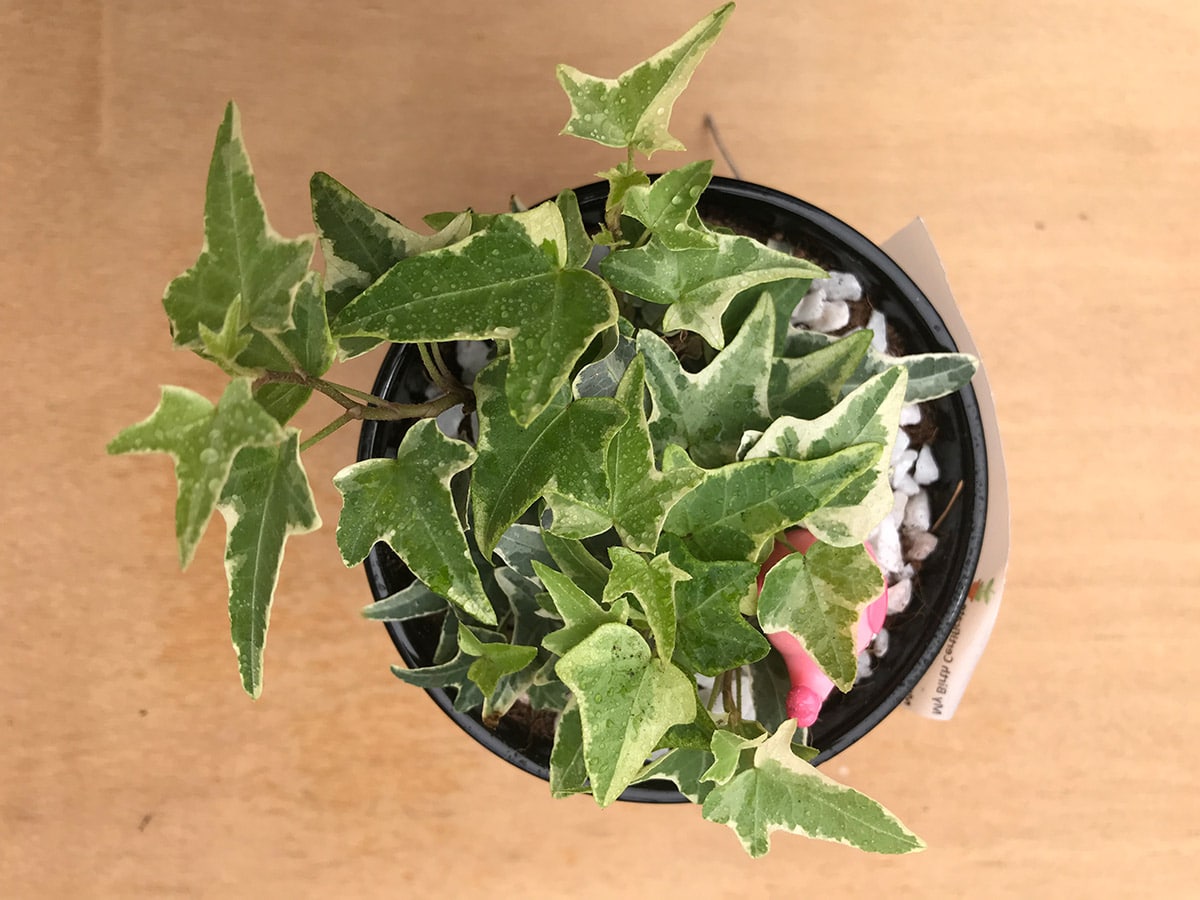
1. English Ivy (Hedera helix)
A classic trailing vine, English Ivy is not only a beautiful climber but also excellent at removing benzene and toluene from indoor air.
-
Best for: Hanging baskets, wall planters
-
Light: Moderate to bright indirect light
-
Air-purifying power: Benzene, toluene
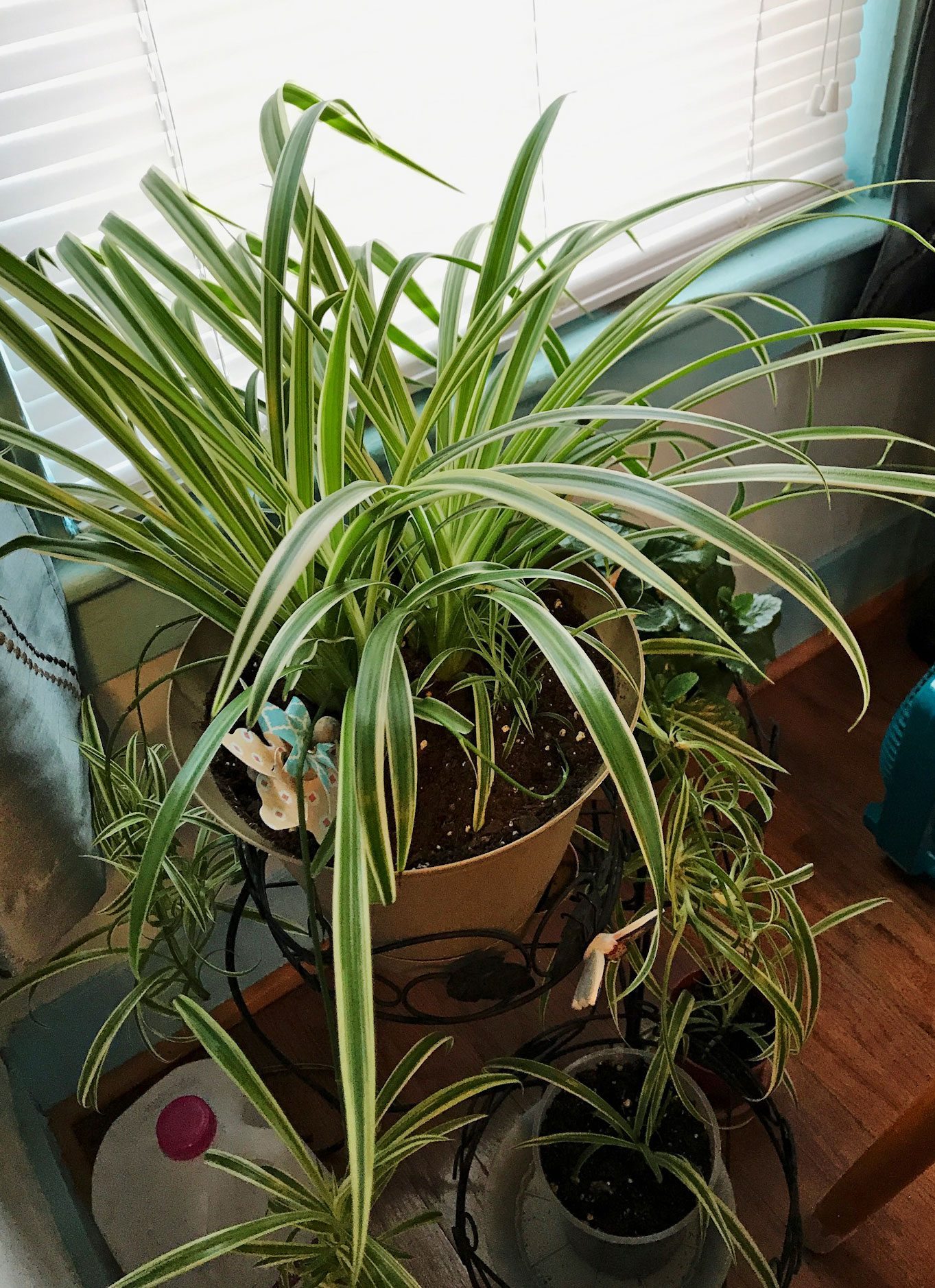
2. Spider Plant (Chlorophytum comosum)
The spider plant is a resilient, low-maintenance houseplant that produces baby “spiderettes” and removes a variety of pollutants.
-
Best for: Kitchens, offices, beginners
-
Light: Bright, indirect light
-
Air-purifying power: Carbon monoxide, formaldehyde, xylene, toluene
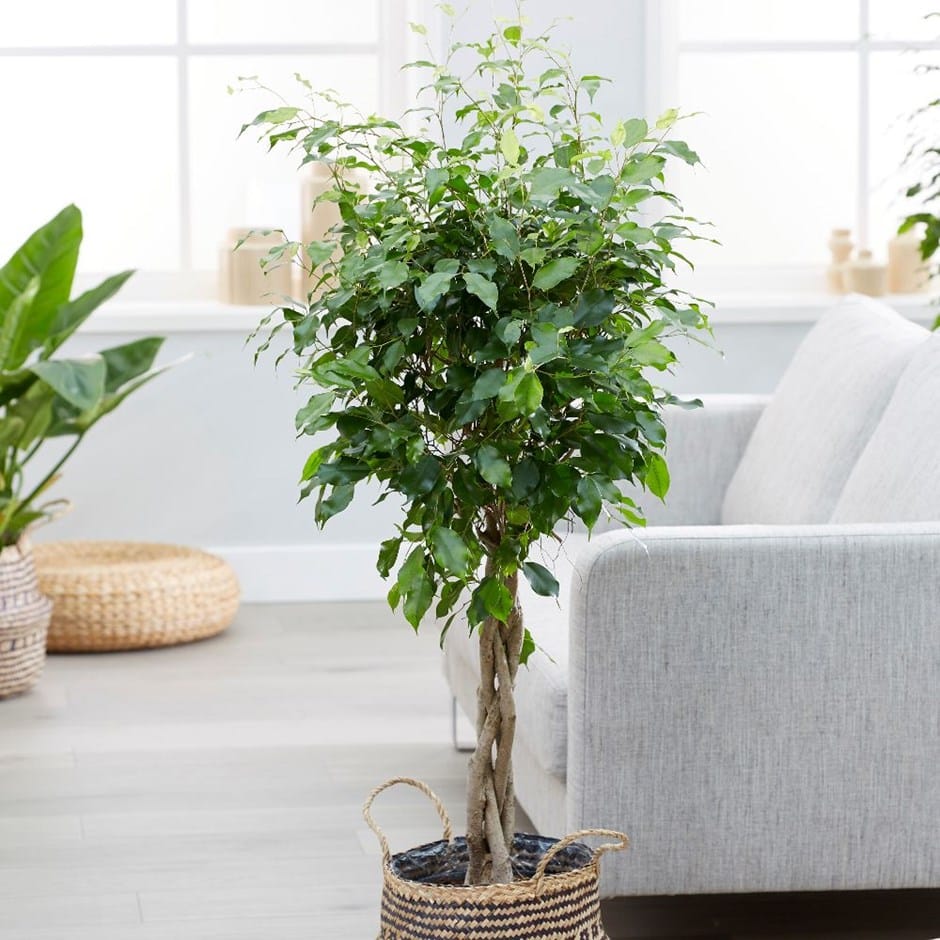
3. Weeping Fig (Ficus benjamina)
This elegant indoor tree helps remove formaldehyde and trichloroethylene, making it a smart choice for living rooms or entryways.
-
Best for: Large spaces, decorative corners
-
Light: Bright, indirect light
-
Air-purifying power: Formaldehyde, trichloroethylene
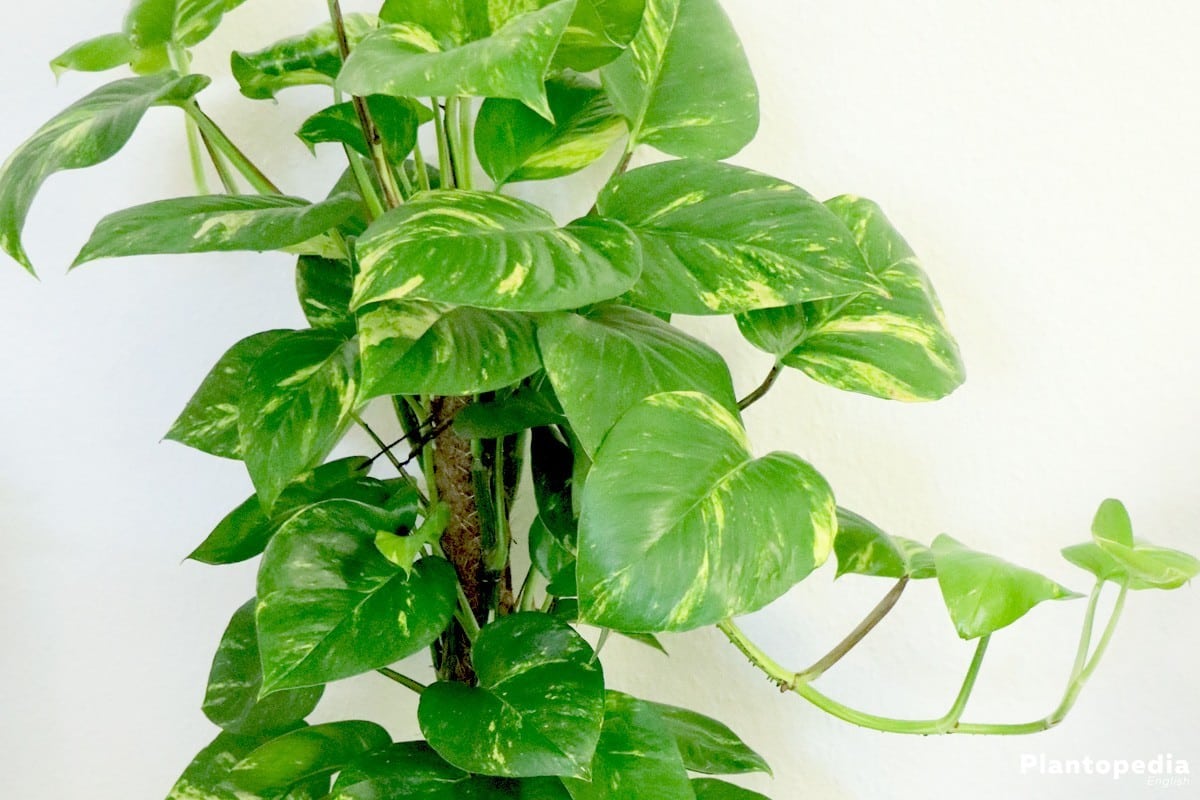
4. Heartleaf Philodendron (Philodendron scandens ‘oxycardium’)
Known for its heart-shaped leaves, this philodendron is easy to grow and especially good at removing formaldehyde.
-
Best for: Shelves, hanging baskets
-
Light: Low to medium indirect light
-
Air-purifying power: Formaldehyde
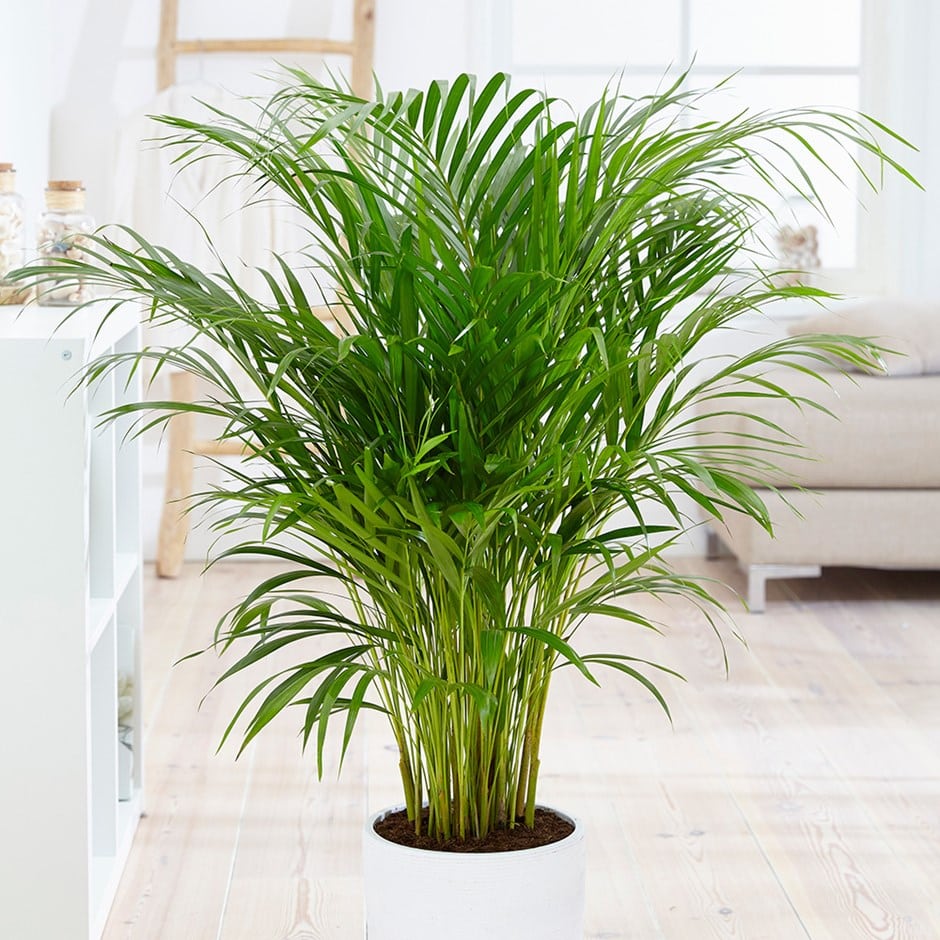
5. Bamboo Palm (Chamaedorea sefritzii)
The bamboo palm, or reed palm, is one of NASA’s top-rated air purifying plants. It thrives in lower light and removes benzene and trichloroethylene effectively.
-
Best for: Living rooms, shaded corners
-
Light: Low to moderate light
-
Air-purifying power: Benzene, trichloroethylene
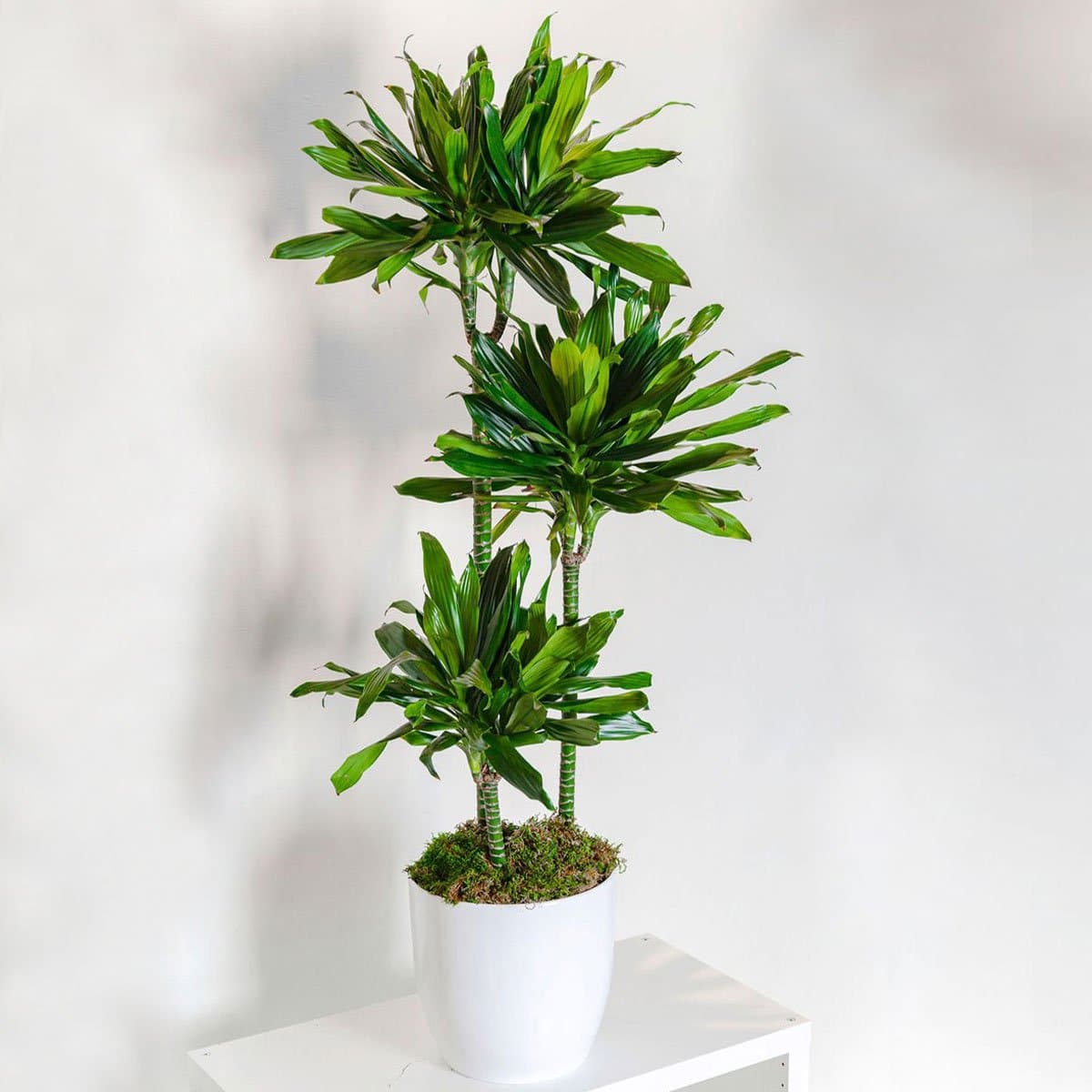
6. Janet Craig Dracaena (Dracaena deremensis ‘Janet Craig’)
This leafy green dracaena filters several common household toxins.
-
Best for: Offices, bedrooms
-
Light: Low to moderate light
-
Air-purifying power: Formaldehyde, benzene, trichloroethylene, carbon dioxide
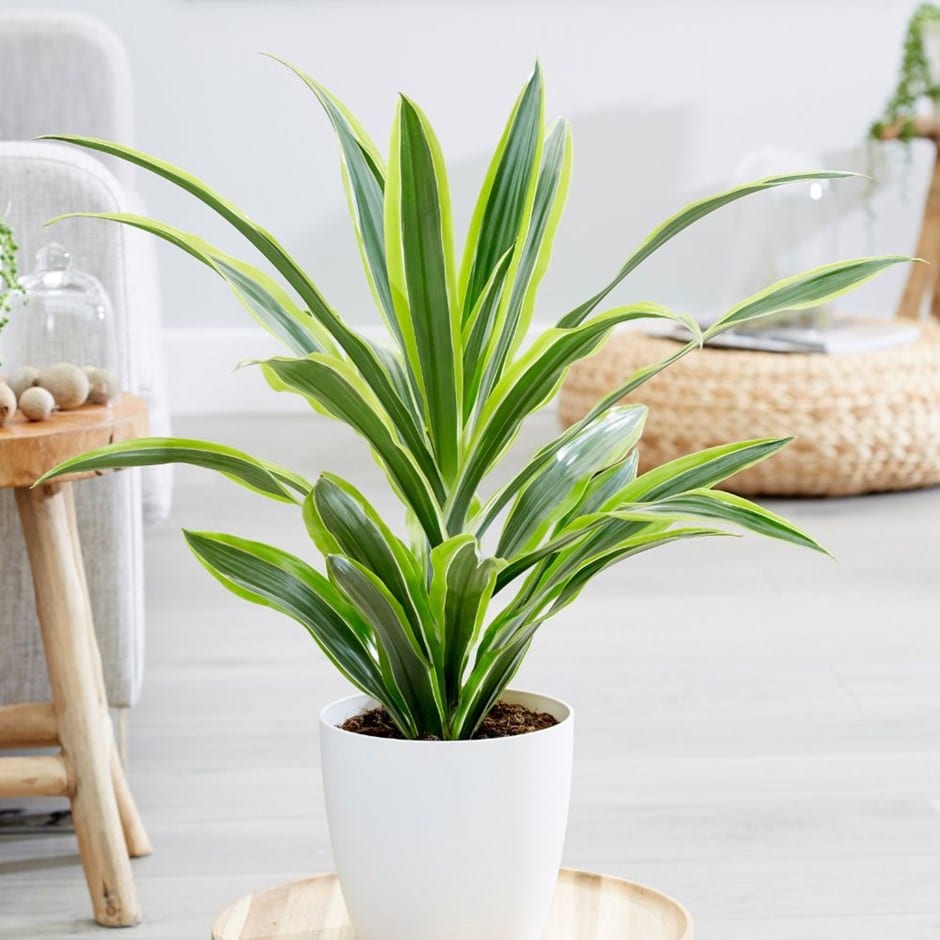
7. Warneck Dracaena (Dracaena deremensis ‘Warneckii’)
Another excellent air-cleaning dracaena, this variety is hardy and stylish, often used in office spaces.
-
Best for: Workspaces, entryways
-
Light: Moderate light
-
Air-purifying power: Similar to Janet Craig
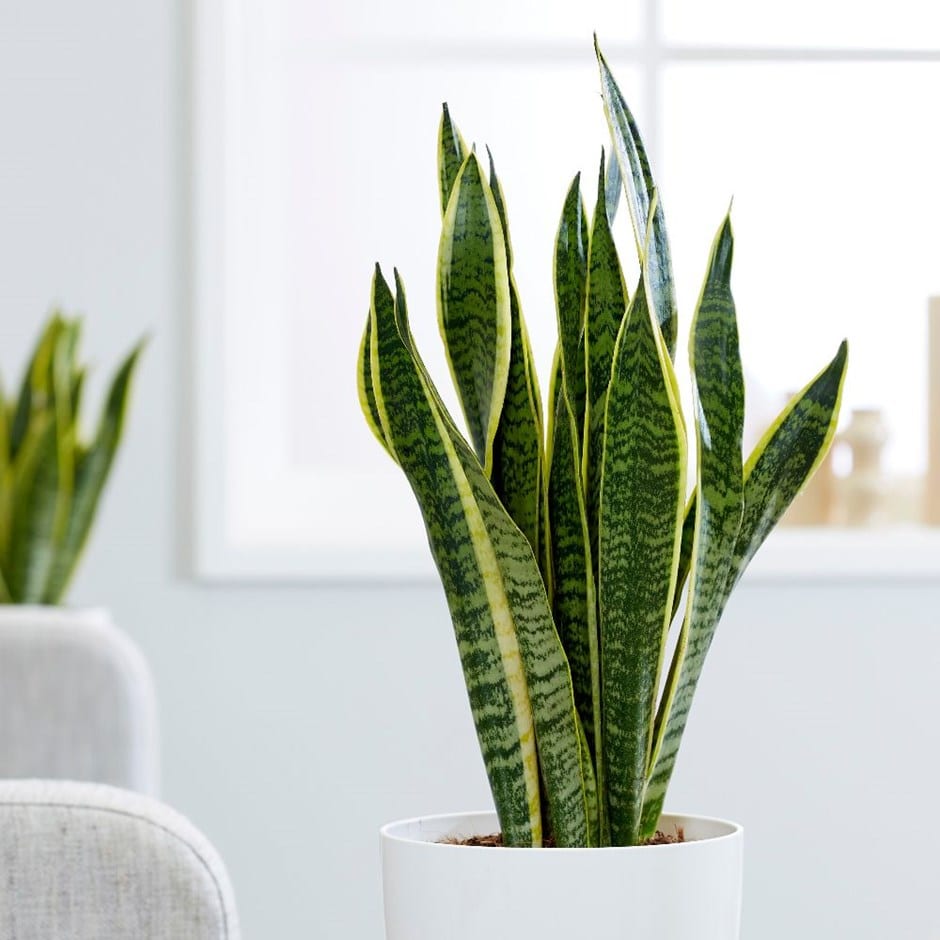
8. Snake Plant (Sansevieria trifasciata)
Also known as mother-in-law’s tongue, the snake plant is one of the best plants for improving indoor air at night, making it ideal for bedrooms.
-
Best for: Bedrooms, bathrooms
-
Light: Low to bright light
-
Air-purifying power: Formaldehyde, benzene, xylene
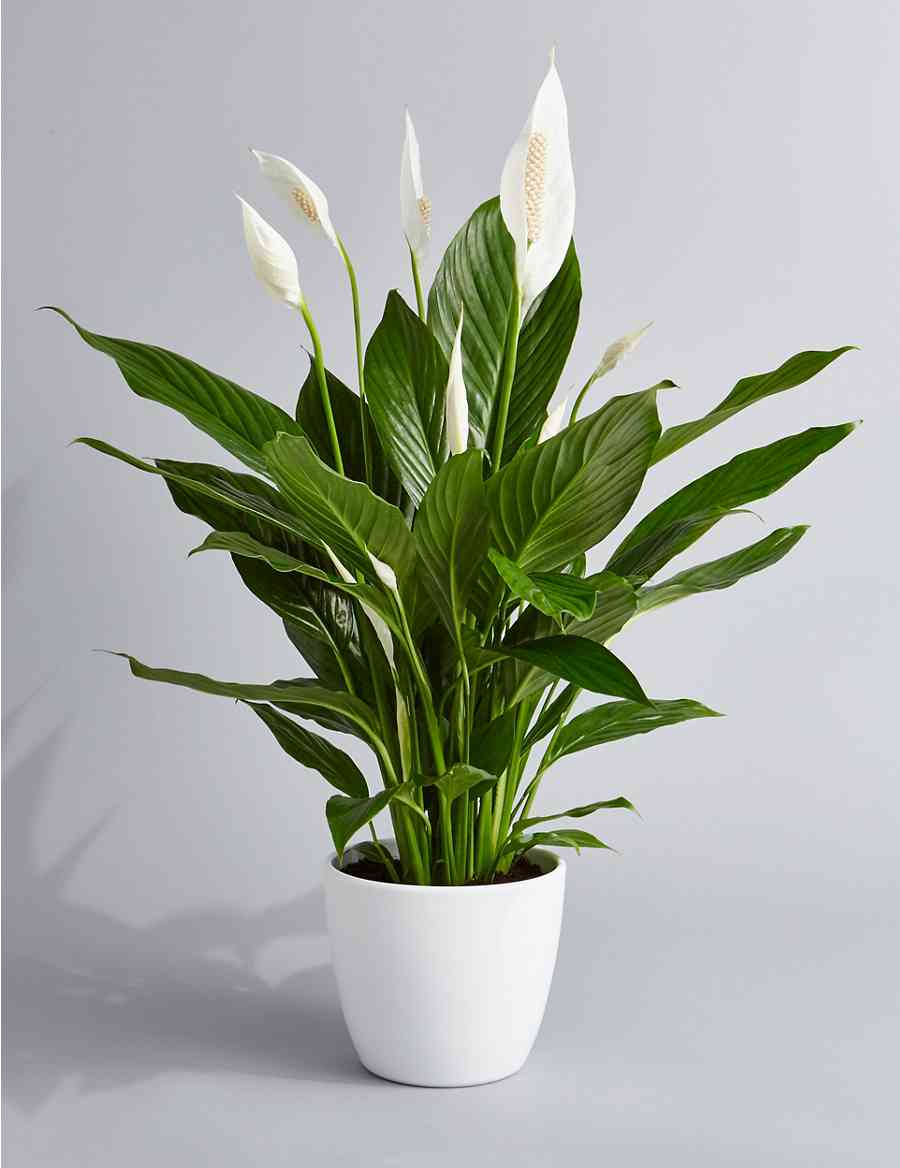
9. Peace Lily (Spathiphyllum ‘Mauna Loa’)
Beyond its graceful white blooms, the peace lily removes several pollutants and even absorbs acetone vapors.
-
Best for: Bathrooms, humid environments
-
Light: Low to moderate light
-
Air-purifying power: Acetone, benzene, formaldehyde, trichloroethylene
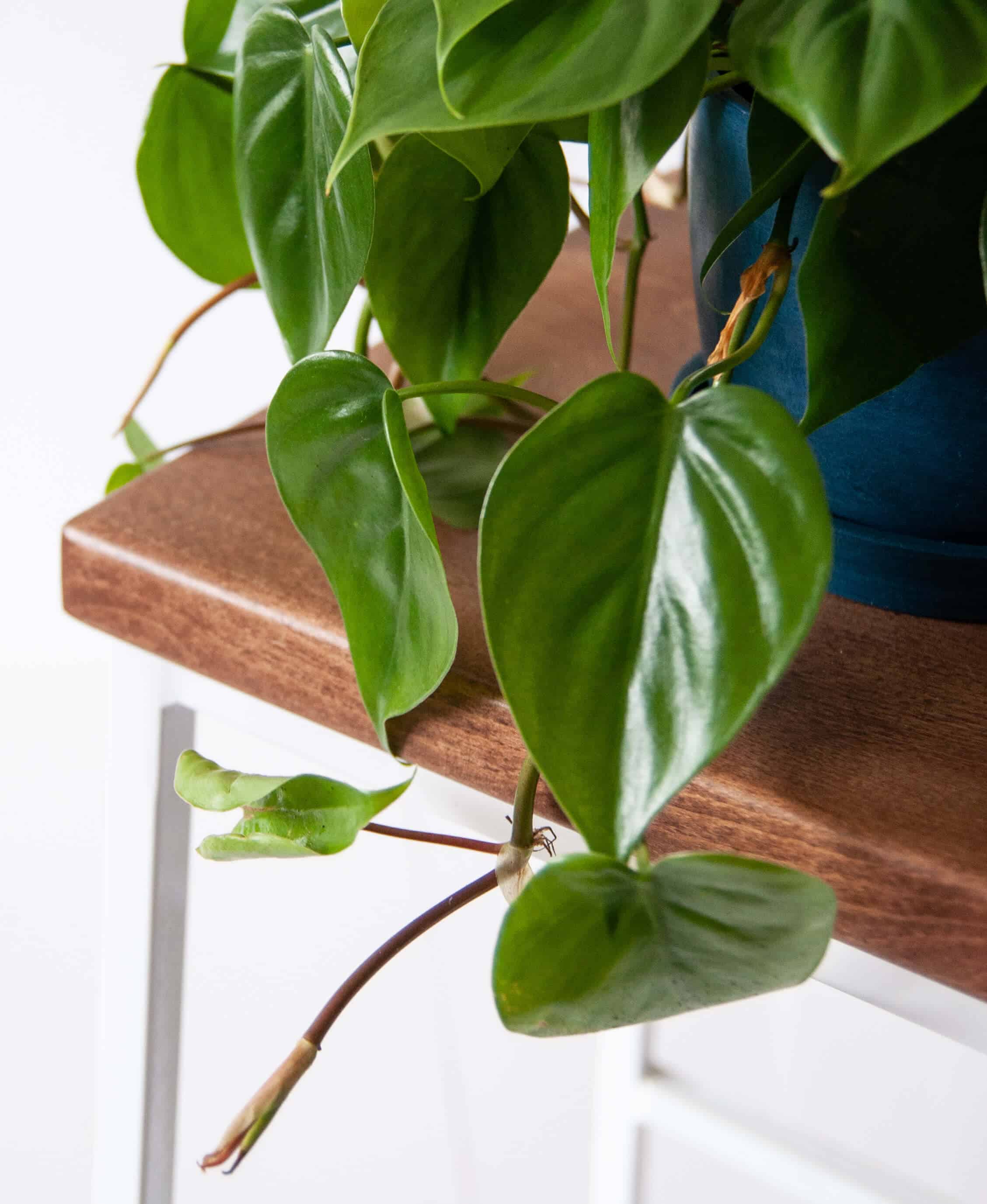
10. Selloum Philodendron (Philodendron selloum)
This lush, tropical plant thrives in low light and is especially good at neutralizing formaldehyde and airborne allergens.
-
Best for: Shaded indoor areas
-
Light: Low to moderate light
-
Air-purifying power: Formaldehyde, airborne irritants
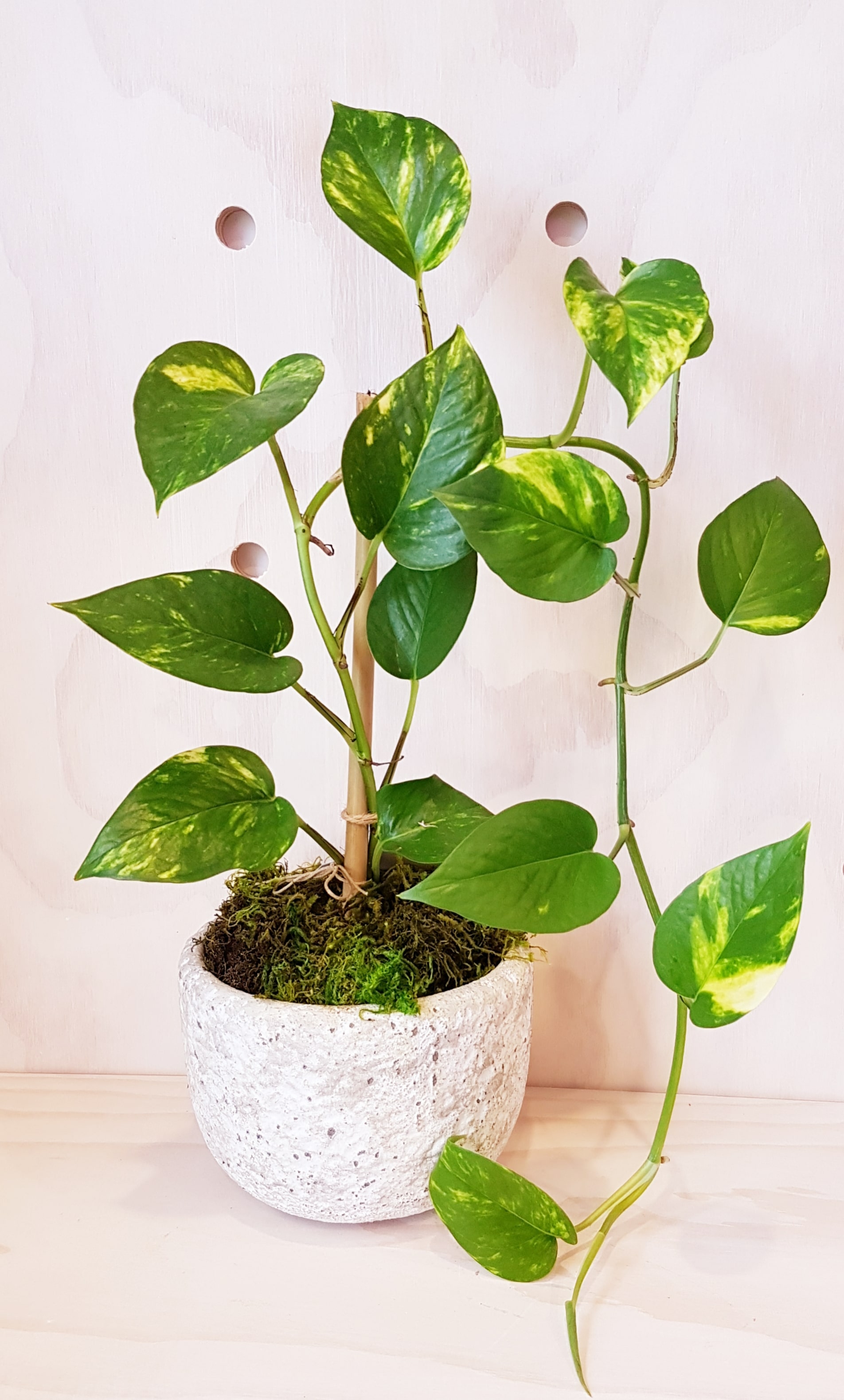
11. Golden Pothos (Epipremnum aureum)
This adaptable, fast-growing vine is nearly indestructible and highly effective at filtering multiple pollutants.
-
Best for: Hanging baskets, top shelves
-
Light: Low to bright indirect light
-
Air-purifying power: Formaldehyde, benzene, xylene
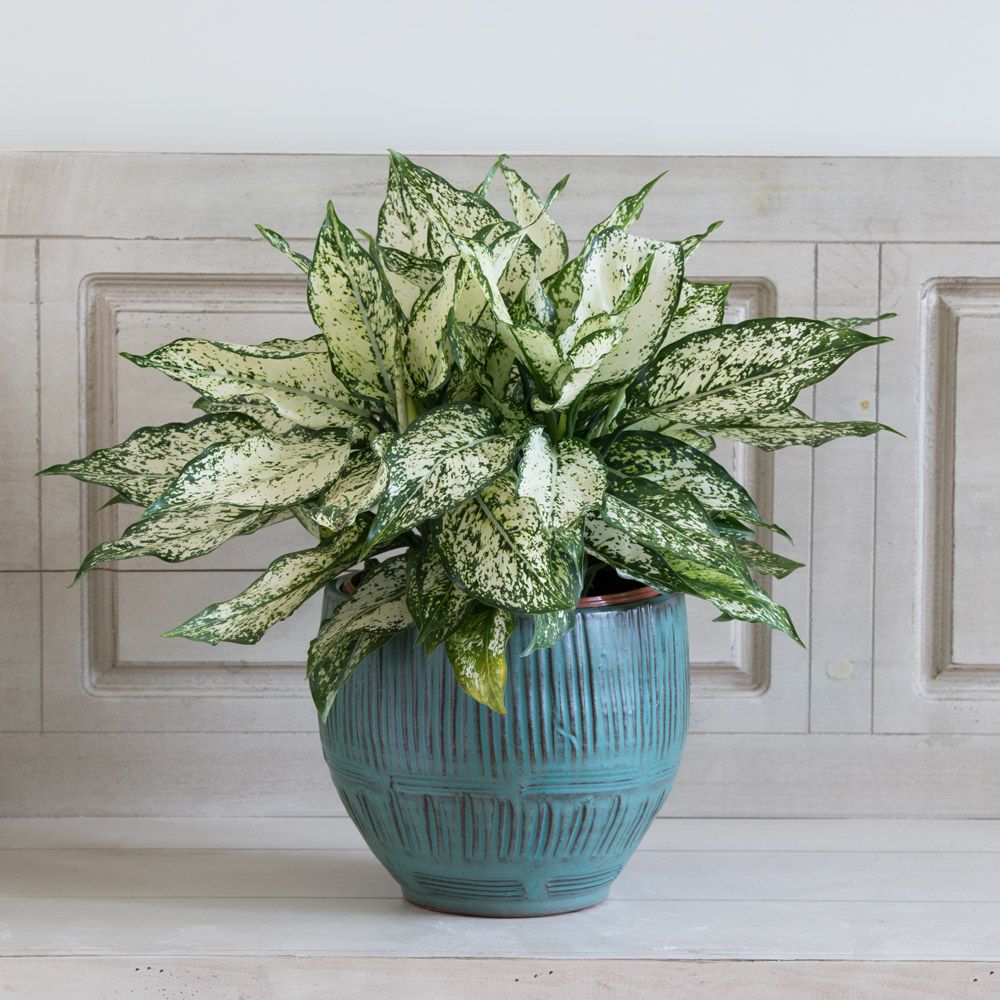
12. Chinese Evergreen (Aglaonema modestum)
Ideal for beginners, this plant thrives in low light and is excellent for removing benzene and formaldehyde from indoor air.
-
Best for: Low-light rooms, offices
-
Light: Low light
-
Air-purifying power: Benzene, formaldehyde
More Benefits of Indoor Plants
Beyond purifying the air, indoor plants offer several additional advantages:
1. Boost Humidity Naturally
Plants release moisture through transpiration, helping to humidify dry indoor air, especially in winter or air-conditioned environments.
2. Reduce Stress and Improve Mood
Studies show that plants in your environment can lower stress, increase focus, and improve overall mental well-being.
3. Aid Sleep
Fragrant plants like lavender and jasmine emit soothing aromas that promote relaxation and better sleep.
4. Natural Healing
Plants like Aloe Vera not only purify the air but can also be used topically for minor burns and skin irritation.
5. Combat Fatigue and Enhance Productivity
Having greenery nearby can reduce feelings of fatigue and enhance cognitive function—making plants perfect companions for both homes and workplaces.
Indoor plants do much more than decorate your home—they act as natural air filters, mood boosters, and health enhancers.
The NASA Clean Air Study validated what many plant lovers already knew: houseplants make our indoor spaces healthier, cleaner, and more enjoyable.
Whether you choose a peace lily, snake plant, or pothos, you’re not just bringing greenery into your space—you’re investing in cleaner air and better well-being.