Gardeners have used clever tricks for generations to protect their plants from pests, improve growth, and keep outdoor spaces smelling fresh.
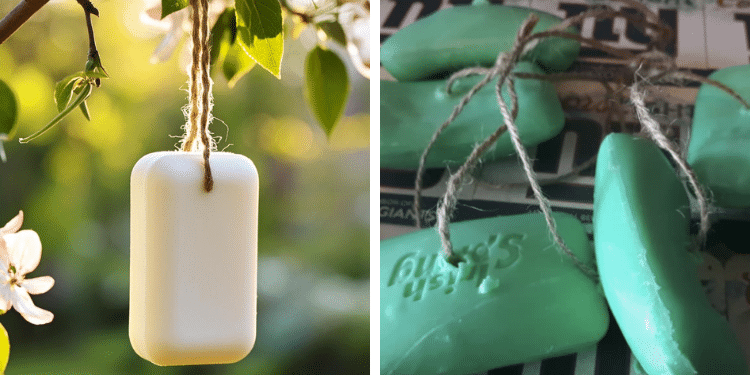
One of the most surprising yet remarkably effective methods is hanging a bar of scented soap near plants. At first, it sounds odd – why would a bar of soap have anything to do with gardening?
But this simple trick has deep roots in traditional gardening practices and continues to deliver real results for modern gardens.
Soap carries powerful aromatic compounds that create a barrier around your plants, send pests elsewhere, and help maintain a healthier growing environment.
Here’s why gardeners swear by this old-fashioned soap trick – and why you might want to try it too.
The Secret Behind Scented Soap: The Power of Aromatic Oils
Scented soaps contain fragrance molecules and essential oils that are released slowly into the air as the soap warms in the sun, reacts with humidity, or catches the breeze.
These scents may be pleasant to humans, but many garden pests strongly dislike them.
Common scented soaps contain compounds such as:
- citronella
- lavender
- mint
- lemongrass
- rosemary
- eucalyptus
- pine
Many of these scents act as natural deterrents to insects and mammals. When the bar is hung near plants, the scent travels through the air, creating a protective perimeter.
1. Repels Deer That Eat Flowers and Ornamental Plants
One of the biggest reasons gardeners hang scented soap is to keep deer away. Deer have extremely sensitive noses, and they tend to avoid strong, unusual scents – especially fragranced soaps.
When a bar of scented soap is tied to a tree branch, tomato cage, trellis, or fence post, the scent confuses deer and makes them believe humans are nearby.
Within days, gardeners often notice:
- fewer bitten stems
- untouched vegetable beds
- reduced nighttime visits
- flowers left intact
This method is popular in rural areas where deer casually wander into gardens for meals.
2. Deters Rabbits and Rodents From Nibbling Plants
Rabbits, groundhogs, voles, and other small mammals usually eat tender leaves, seedlings, and garden vegetables. They are drawn by scent but easily repelled by strong fragrances.
The aroma from the soap:
- disrupts their feeding patterns
- blocks scent trails
- makes the area feel unsafe
- encourages pests to go elsewhere
This is especially helpful in early spring when new growth is at risk.
3. Helps Keep Insects Away From Garden Beds
The essential oils and fragrance molecules in scented soap travel through the air and act as a natural insect repellent.
While soap isn’t sprayed directly on plants, the aroma in the surrounding area helps reduce insect activity.
Soap scent may help deter:
- mosquitoes
- gnats
- aphids (from flying in)
- biting flies
- beetles
- leaf-eating pests
Some gardeners even hang soap near patios or seating areas for mosquito protection.
4. Keeps Squirrels Away From Fruit Trees and Gardens
Squirrels are intelligent and curious, often digging up bulbs, stealing fruit, or nibbling vegetables. But many scented soaps smell “unnatural” to squirrels and interrupt their behavior patterns.
When hung near vulnerable areas, a bar of soap may help:
- stop squirrels from digging
- reduce fruit theft
- protect bulbs and seedlings
- keep them from nesting in certain areas
This is especially effective with soaps containing pine, peppermint, or strong floral scents.
5. Masks the Scent of Ripening Fruit and Vegetables
Many pests rely on the smell of ripening produce to locate food. Strong soap scents help mask natural plant aromas so pests cannot detect the source of food as easily.
This is beneficial for:
- tomatoes
- squash
- melons
- strawberries
- fruit trees
- herbs with delicate scents
When pests can’t smell the produce, they are far less likely to attack it.
6. Helps Keep Fungus Gnats Away From Potted Plants
Indoor gardeners often hang small pieces of scented soap near houseplants to keep fungus gnats away. The strong fragrance interferes with the gnats’ ability to locate moist soil.
This helps keep the population under control without using chemicals or sticky traps.
7. Keeps Your Outdoor and Indoor Garden Smelling Fresh
While the main purpose is pest control, hanging scented soap also leaves your garden smelling clean and pleasant.
Spring breezes carry the fragrance through patios, porches, decks, and outdoor seating areas.
Gardeners appreciate:
- a fresh-smelling garden
- cleaner air around plants
- reduced musty or wet-soil odors
- a more enjoyable gardening environment
It’s a natural air-freshener that works without spraying anything.
8. Soap Bars Last a Long Time, Making the Remedy Cost-Effective
Unlike store-bought pest repellents that must be reapplied weekly, a single bar of soap lasts for weeks or even months depending on weather conditions.
A bar hung in a mesh bag remains effective through:
- rain
- wind
- humidity
- seasonal temperature changes
This makes it one of the most affordable and low-maintenance pest control methods available.
9. Works for Both Outdoor and Indoor Plants
This trick isn’t just for outdoor garden beds. Many indoor gardeners use small slivers of scented soap to protect their houseplants.
Placing soap near indoor plants may help:
- deter fruit flies
- reduce fungus gnats
- keep pests from laying eggs in soil
- protect herbs and vegetable seedlings
It’s chemical-free, quiet, and safe when used properly.
10. Helps Deter Neighborhood Cats From Garden Beds
Cats often dig in soft garden soil. But many domestic and stray cats dislike strong fragrances – especially perfumes, detergents, and soaps.
A bar of scented soap placed near beds may reduce:
- digging
- laying on seedlings
- using garden beds as litter areas
This benefit makes the trick popular in community gardens.
11. Scented Soap Can Repel Flies and Wasps Around Outdoor Seating Areas
Certain scented soaps – especially those containing citronella or pine – help keep flies and wasps away when hung near patios or decks.
Gardeners often use this trick during:
- barbecues
- outdoor dinners
- picnics
- summer gatherings
The aroma creates a “no-entry zone” around tables and chairs.
12. Helps Protect Compost Bins From Attracting Pests
Hanging a bar of scented soap near a compost bin can help mask odors that attract pests such as raccoons or insects. It also reduces the smell in warm weather.
How to Hang Scented Soap Near Plants for Best Results
Gardeners typically prepare soap in simple, practical ways.
Outdoor method:
- Take a bar of strong-scented soap (Irish Spring is popular).
- Place it in a small mesh bag, old stockings, or netting.
- Tie the bag to a tree branch, fence post, stake, or trellis.
- Hang it 2–3 feet above the plants you want to protect.
Indoor method:
- Place small shavings or slivers in a breathable pouch.
- Hang it near plant shelves or pots.
- Avoid getting soap directly on soil or leaves.
Placement tips:
- Use multiple soap bars for large gardens.
- Replace when the scent fades.
- For deer control, place soap at the height of their nose level.
The scent does the work – not the soap itself.
The Best Types of Soap to Use
The most effective soaps contain strong fragrances and essential oils.
Popular choices include:
- Irish Spring
- lavender soap
- citronella-scented bars
- peppermint or mint soap
- rosemary soap
- pine-scented soap
- lemongrass soap
Unscented soap will not work – the fragrance is the active component.
Hanging a bar of scented soap near your plants might seem unusual, but this time-tested trick delivers real benefits.