Holiday cacti – often referred to as Christmas Cactus, Thanksgiving Cactus, and Easter Cactus – are some of the most beloved flowering houseplants.
Known for their beautiful blooms during the holiday seasons, these vibrant succulents bring festive cheer and color to homes at a time when most other plants are dormant.
Despite their name, holiday cacti are not desert dwellers, but rather tropical epiphytes that thrive in humid environments.
If you’ve ever struggled to get your holiday cactus to bloom or stay healthy, this detailed guide offers everything you need to know – from species identification to care tips, troubleshooting, and how to encourage spectacular blooms year after year.
What Is a Holiday Cactus?
Holiday cacti are members of the Schlumbergera and Hatiora genera, native to the cloud forests of Brazil.
Unlike the typical desert cactus, these plants naturally grow on trees and rocky outcrops in moist, shaded environments.
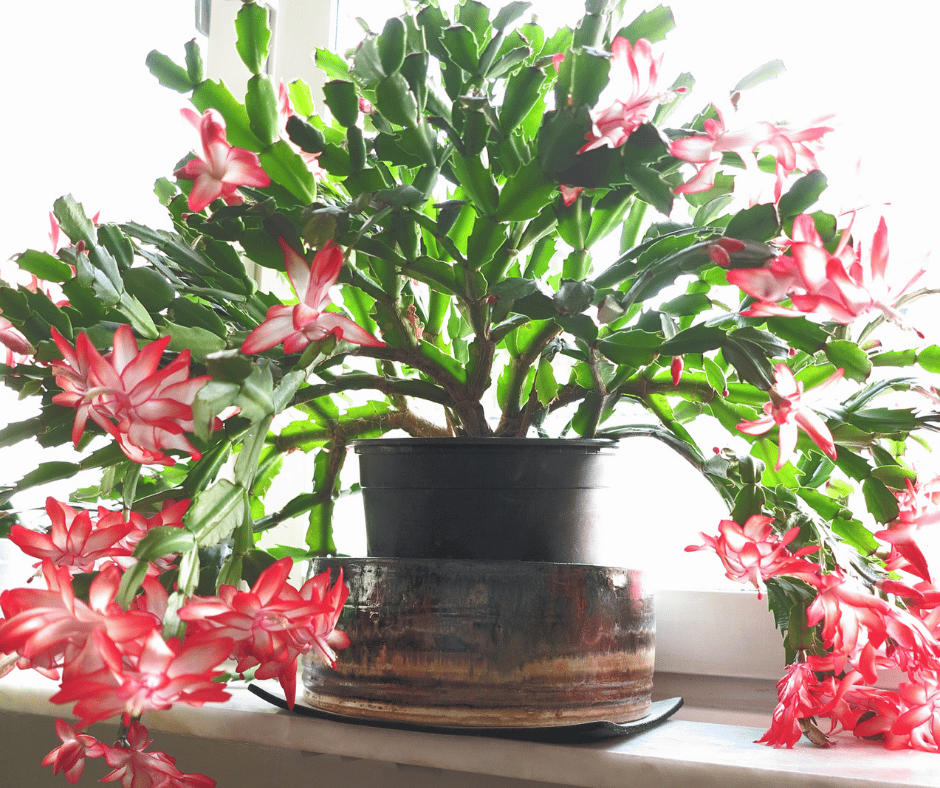
Three Types of Holiday Cactus:
Thanksgiving Cactus (Schlumbergera truncata)
- Blooms in late November
- Sharp, claw-like stem segments (“teeth”)
- Often confused with Christmas cactus
Christmas Cactus (Schlumbergera x buckleyi)
- Blooms in December
- Rounded stem segments
- True Christmas cactus; harder to find in stores
Easter Cactus (Hatiora gaertneri)
- Blooms in spring
- Oval, smooth-edged stem segments
- Flower colors range from pink to red, sometimes purple or white
Understanding your plant’s species helps tailor your care approach – especially if you’re aiming for timely blooms.
Key Differences Between the Holiday Cacti
| Feature | Thanksgiving Cactus | Christmas Cactus | Easter Cactus |
|---|---|---|---|
| Bloom Time | Late November (Fall) | December (Winter) | March–April (Spring) |
| Stem Shape | Jagged with pointed tips | Rounded with scalloped edges | Flat with smooth edges |
| Genus | Schlumbergera | Schlumbergera | Hatiora (or Rhipsalidopsis) |
| Light Needs | Bright, indirect light | Bright, indirect light | Medium to bright indirect light |
General Growing Conditions for All Holiday Cactus Varieties
Despite their differences, all three types of holiday cacti share similar care requirements:
1. Light
- Provide bright, indirect light year-round
- Avoid direct midday sun – can burn foliage
- Place near an east or north-facing window
2. Temperature
- Ideal daytime range: 65–75°F (18–24°C)
- Nighttime temps around 55–65°F (13–18°C) encourage flowering
- Avoid drafts and sudden temperature changes
3. Humidity
- Native to humid forests; prefer 40–60% humidity
- Mist occasionally or use a humidity tray if your home is dry
4. Watering
- Keep soil evenly moist during growing and blooming seasons
- Let the top 1–2 inches dry out before watering
- Reduce watering in the dormant period (after blooming)
5. Soil
Use a well-draining mix:
- 2 parts cactus mix
- 1 part perlite or orchid bark
- Optional: a bit of peat moss or compost
6. Fertilizing
- Feed monthly from spring through early fall with a balanced houseplant fertilizer
- Use a high-phosphorus fertilizer before the blooming season
- Stop fertilizing during winter dormancy
How to Get Your Holiday Cactus to Bloom
Encouraging your holiday cactus to bloom takes more than luck – it requires a period of cool darkness, proper watering, and rest.
Blooming Tips:
1. Light/Dark Cycle
- Provide 12–14 hours of darkness each night for 6–8 weeks before expected bloom
- Place in a dark room or cover with a box or cloth
2. Cool Temperatures
- Maintain night temperatures around 55–60°F (13–16°C)
- Keep away from heating vents or warm appliances
3. Minimal Watering
- Reduce watering slightly during this pre-bloom period
- Resume normal watering when buds form
4. Avoid Moving the Plant
Once buds appear, avoid rotating or relocating the plant—buds may drop if disturbed
Propagating Holiday Cactus
Holiday cacti are easy to propagate, making them great gifts or shareable plants.
How to Propagate:
- Cut a 3–4 segment piece from a healthy stem
- Let the cutting callous over for 24–48 hours
- Insert into moist, well-draining soil
- Keep in a warm, bright spot
- Roots will form in 2–4 weeks
Repotting and Pruning
Holiday cacti like to be slightly root-bound but will eventually outgrow their containers.
Repotting:
- Repot every 2–3 years in spring
- Choose a pot 1–2 inches wider than the current one
Pruning:
- Prune after blooming to shape the plant
- Use clean shears to snip between stem segments
- Encourages branching and more blooms next season
Common Problems and How to Fix Them
| Problem | Cause | Solution |
| Bud Drop | Temperature fluctuation, overwatering | Stabilize temp, water consistently |
| Yellowing Leaves | Overwatering, poor drainage | Let soil dry, improve drainage |
| Wilting or Shriveling | Underwatering or root rot | Water properly, check for root rot |
| No Blooms | Lack of darkness or cool temps | Follow blooming preparation steps |
Holiday Cactus Pet Safety
According to the ASPCA, holiday cacti are non-toxic to cats and dogs, making them safe for pet-loving households.
However, ingesting large amounts may still cause mild digestive upset, so it’s best to keep plants out of reach.
Decorating with Holiday Cacti
Holiday cacti are incredibly versatile and make beautiful seasonal decor:
- Add to holiday centerpieces or mantle displays
- Place in festive pots or hanging baskets
- Combine with poinsettias, ivy, or evergreen boughs for a lush winter look
Holiday cacti are living symbols of tradition, resilience, and joy. With the right care, they can bloom beautifully each season for decades – many families pass these plants down through generations.
Whether you’re growing a Thanksgiving, Christmas, or Easter cactus, following the tips in this guide will help you cultivate a healthy, vibrant plant that brings color and celebration to your home.