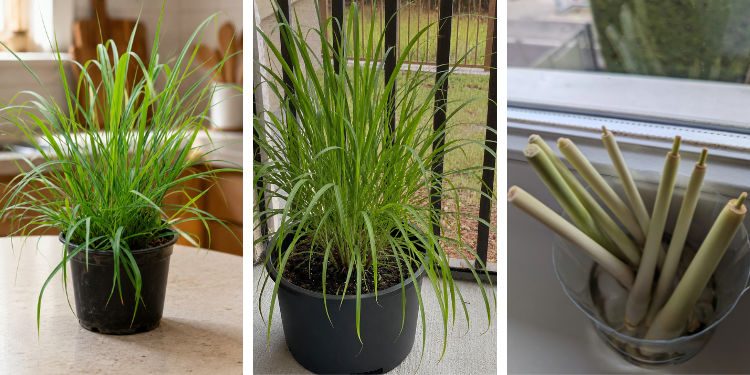
There are few gardening projects as immediately rewarding as growing lemongrass (Cymbopogon citratus) in a container.
With its fountain-like growth habit and vibrant lime-green blades, lemongrass brings a lush, tropical aesthetic to balconies, sunny patios, and bright windowsills. But the real magic of this Southeast Asian perennial lies in its aromatic power.
Brushing past a pot of lemongrass releases a crisp burst of citrus, crisp pine, and subtle herbal sweetness.
Beyond filling your living space with a clean, natural fragrance, potted lemongrass provides a fresh culinary supply for teas, curries, and soups while acting as a natural insect deterrent.
Here is your complete guide to growing potted lemongrass at home, the botanical science behind its irresistible scent, and how to keep your plant thriving year after year.
The Botanical Science: What Makes Lemongrass Smell So Amazing?
Unlike citrus trees that store their fragrance primarily in fruit rinds, lemongrass stores its essential oils within glandular cells running along its fibrous leaves and bulbous lower stalks.
The signature scent of lemongrass comes down to a rich combination of natural aromatic terpenes:
-
Citral (Geranial & Neral): Making up 70% to 80% of lemongrass essential oil, citral is the exact compound that gives lemons their bright, zesty aroma. Citral delivers a cleaner, sweeter citrus scent than lemon juice without the sharp acidity.
-
Myrcene: Adds a subtle earthy, herbaceous undertone that grounds the bright citrus notes.
-
Geraniol & Limonene: Provide delicate floral and sweet citrus accents that linger in the air long after the leaves are touched.
Whenever a light breeze rustles the long grass blades – or when you crush a leaf between your fingers – these microscopic oil glands rupture, diffusing volatile terpenes directly into your indoor or outdoor living space.
4 Great Reasons to Grow Lemongrass in Containers
1. Natural, Synthetic-Free Home Fragrance
Many commercial room sprays and plug-in air fresheners rely on synthetic fragrances and volatile organic compounds (VOCs) that can trigger headaches or respiratory irritation.
Potted lemongrass provides continuous, chemical-free aromatherapy. Place a pot near a doorway, open window, or high-traffic area so brushing against it naturally perfumes the room.
2. Built-In Patio Mosquito and Pest Protection
While humans love the fresh smell of citral, biting insects detest it. Lemongrass is closely related to Cymbopogon nardus (the primary source of citronella oil).
The strong aromatic compounds mask the carbon dioxide and lactic acid that humans naturally emit, making it much harder for mosquitoes, fruit flies, and gnats to locate you on a sunny porch or balcony.
3. Endless Culinary Supply for Fresh Cooking
Store-bought lemongrass stalks in grocery stores are often dried out, woody, and lacking in fragrant oils.
Growing your own container plant lets you harvest juicy, tender stalks at peak freshness for Thai green curries, Vietnamese marinades, and soothing herbal teas whenever inspiration strikes.
4. Ideal Plant for Container Management
In frost-free tropical climates, lemongrass planted in the ground can spread aggressively into dense clumps over 4 feet wide.
Growing lemongrass in a pot keeps its energetic root system neatly contained while allowing cooler-climate gardeners to bring the pot indoors before winter frost sets in.
Plant Profile & Growing Requirements
| Requirement | Ideal Specs for Potted Lemongrass | Notes & Tips |
| Sunlight | 6 to 8+ hours of direct sun daily | Full sun maximizes essential oil production and stalk thickness |
| Container Size | Minimum 5-gallon pot (12–14″ wide) | Root system expands quickly; choose heavy terracotta for stability |
| Soil Medium | Rich, fast-draining potting mix | 70% premium potting soil + 30% compost or coarse sand |
| Water Needs | High during summer growth | Keep soil consistently moist like a wrung-out sponge; never bone dry |
| Temperature | 65 ∘ F to 95 ∘ F (18 ∘ C to 35 ∘ C) | Highly frost-sensitive; bring indoors when temps dip below 50 ∘ F (10 ∘ C) |
How to Grow Lemongrass in a Pot (From Store Stalks or Nursery Plants)
You don’t even need seeds to start a lemongrass plant! You can easily propagate a new plant using fresh grocery store lemongrass stalks with their root bases intact.
How to Harvest and Use Fresh Lemongrass
Harvesting your potted lemongrass actually encourages the plant to produce new shoots!
-
How to Harvest: Look for individual stalks that are at least 1/2-inch thick at the base. Instead of cutting the stalk higher up, snap or slice the stalk off right at the soil line using a sharp knife.
-
Preparing for Cooking: Peel away the tough, fibrous outer layers until you reach the pale, soft inner core. Finely mince or bruise this tender core with the flat side of a knife to release its aromatic oils into soups, curries, or teas.
-
Drying Leaf Blades: Don’t throw away the long green upper leaves! Snip them into 2-inch segments and dry them on a paper towel to make fresh, citrusy herbal tea all winter long.
Winter Care: Overwintering Lemongrass Indoors
Lemongrass cannot tolerate freezing temperatures. If you live in an area with cold winters, follow these simple steps to overwinter your plant:
-
Bring Indoors Early: Bring your container inside before the first autumn frost, when night temperatures drop near 50 ∘ F (10 ∘ C).
-
Prune the Top Growth: Cut the long grassy blades back to about 6 to 8 inches above the soil line. This reduces water loss and prevents mess indoors.
-
Place Near a Bright Window: Keep the pot in your brightest south-facing window.
-
Reduce Water: During winter dormancy, reduce watering significantly – allow the top 2 inches of soil to dry out between light waterings. Move the plant back outdoors in spring once all danger of frost has passed.
Pet Safety Note: While lemongrass is non-toxic in small amounts, cats are often drawn to its grassy leaves. Eating large quantities of fibrous foliage can cause mild stomach upset in pets. Keep indoor pots slightly out of reach if you have curious cats!
Growing lemongrass in a pot is an easy way to enjoy fresh citrus fragrance, natural pest control, and homegrown flavor.