If you’re looking for a hardy, air-purifying, and low-maintenance houseplant, the spider plant (Chlorophytum comosum) is an exceptional choice.
With its graceful, arching foliage and ability to thrive under a variety of indoor conditions, spider plants have become a favorite among both novice and seasoned plant lovers.
In this comprehensive guide, you’ll learn about the different types of spider plants, how to grow and care for them indoors, how to troubleshoot common issues, and the incredible health benefits they offer.
Popular Types of Spider Plants
Spider plants come in several attractive varieties, each with unique leaf patterns and sizes. Here are the most well-known types:
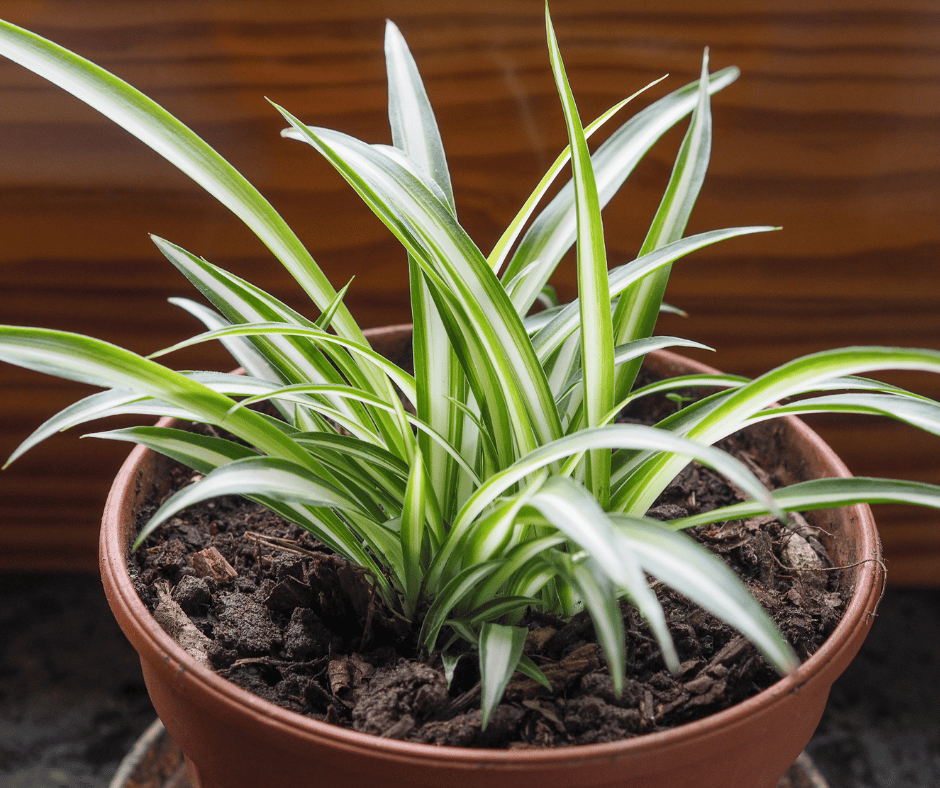
1. Zebra Spider Plant
Appearance: Fast-growing with long, arching leaves that display green and white stripes.
Special Feature: Produces small, star-shaped white flowers in warmer months.
Best Placement: Ideal for hanging baskets, plant stands, or high shelves where their leaves can cascade naturally.
2. Bonnie Spider Plant
Appearance: A compact variety with tightly curled or twisted green and white leaves.
Special Feature: Smaller size makes it perfect for limited spaces.
Best Placement: Looks great on office desks, kitchen counters, or bookshelves.
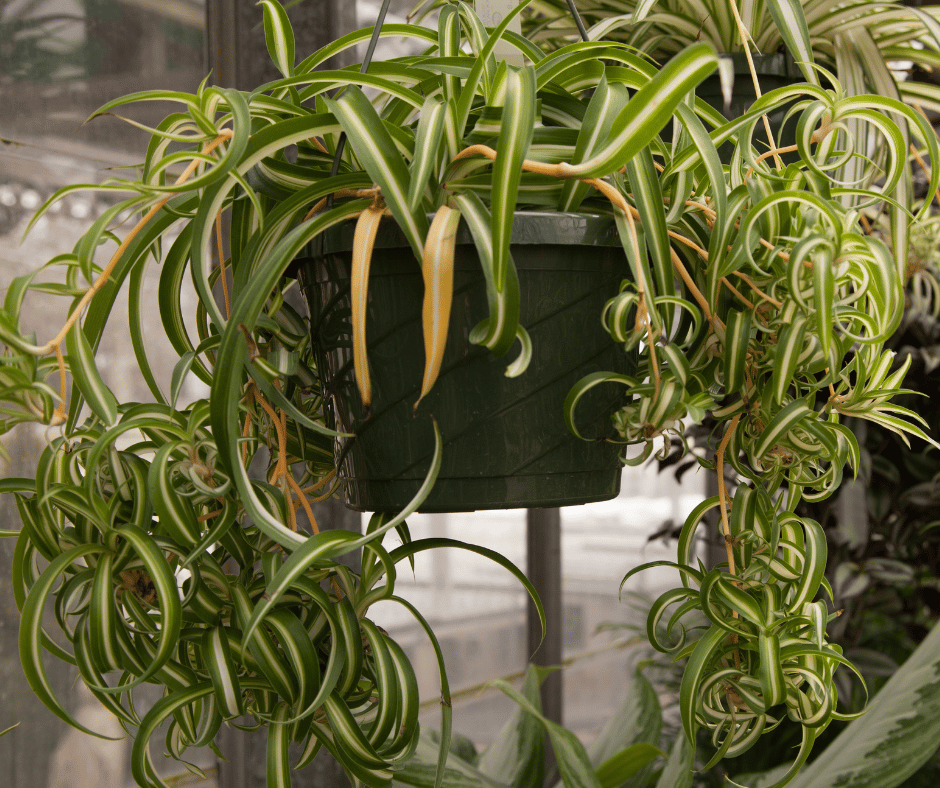
3. Vittatum Spider Plant
Appearance: Medium green leaves with a bold white stripe running down the center.
Special Feature: Elegant and widely grown for its lush, trailing growth.
Best Placement: Perfect for large hanging planters or decorative pots on stands.
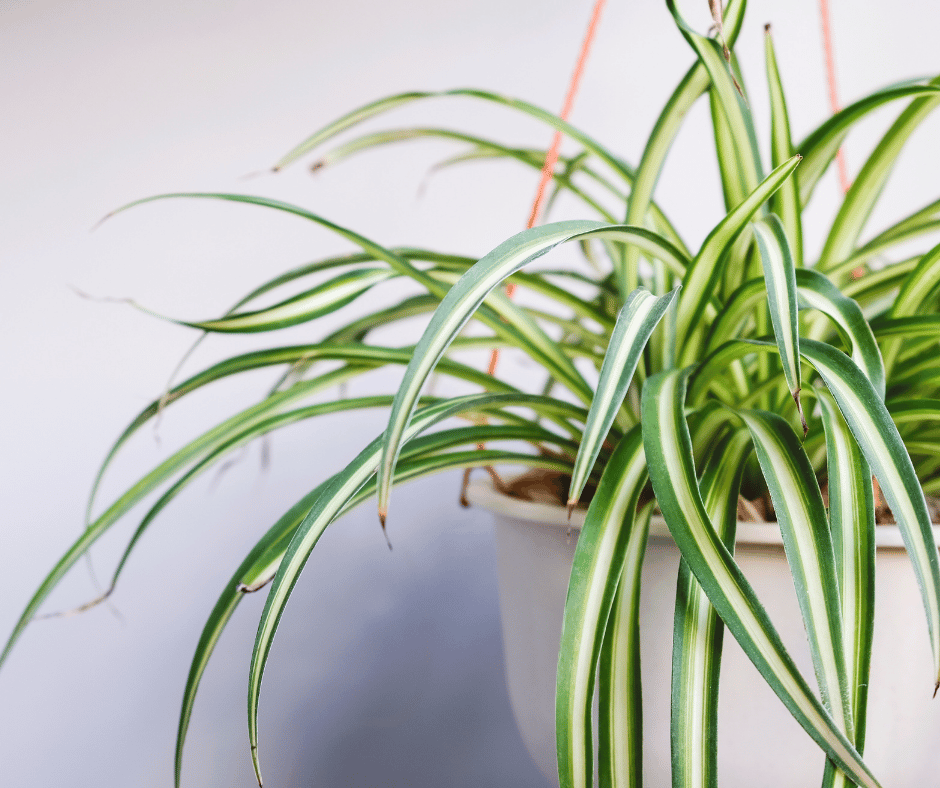
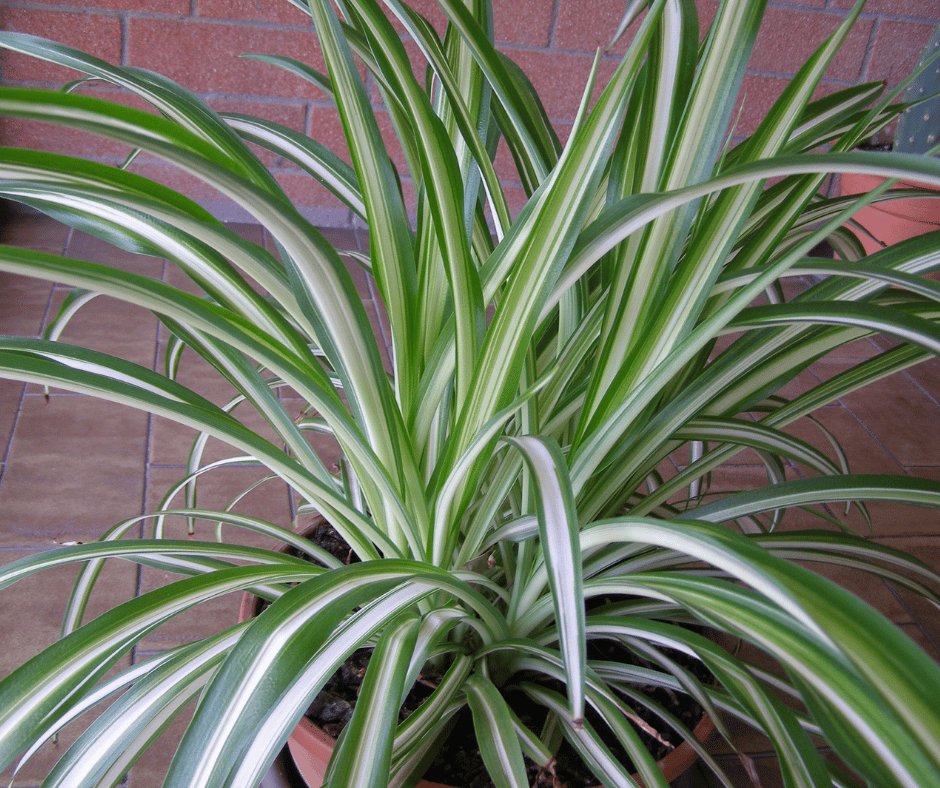
4. Variegatum Spider Plant
Appearance: Also known as “Reverse Variegated,” featuring dark green centers with creamy-white edges.
Special Feature: Striking contrast adds brightness to any corner.
Best Placement: Thrives on window sills or in hanging containers with good light.
How to Grow Spider Plants Indoors
Spider plants are among the easiest indoor plants to grow, but following a few simple steps can help them truly thrive.
1. Choose the Right Soil
Use a well-draining potting mix that supports good aeration.
- Opt for a general-purpose indoor mix.
- Add perlite or coarse sand to improve drainage.
- Avoid dense or compact soils that retain excess moisture.
2. Select the Right Pot
Spider plants prefer being slightly root-bound.
- Use a moderately sized pot with ample drainage holes.
- Avoid oversized pots, which can lead to soggy soil and root rot.
3. Provide Proper Light
Spider plants do best in bright, indirect light.
- Place near an east- or north-facing window.
- Avoid prolonged direct sunlight, which may bleach or scorch the leaves.
- Maintain temperatures above 50°F (10°C); average room humidity is sufficient, but they appreciate occasional misting.
4. Watering Needs
Let the top inch of soil dry out between waterings.
- Water thoroughly until it drains from the pot’s bottom.
- Avoid letting the plant sit in water.
- In winter, reduce watering frequency.
Use filtered or distilled water if your tap water contains chlorine or fluoride, which can cause leaf tip browning.
5. Rotate the Plant for Balanced Growth
Spider plants naturally grow toward the light, which can cause uneven growth.
Rotate your plant every few days to encourage symmetrical development.
6. Fertilize Monthly During the Growing Season
Fertilizing provides essential nutrients.
- Use a balanced liquid fertilizer (e.g., 10-10-10) once a month during spring and summer.
- Switch to fish emulsion or organic options for gentle feeding.
- Withhold fertilizer during fall and winter when growth slows.
Avoid over-fertilization, which may cause brown tips or leaf drop.
7. Repot Every 1–2 Years
Spider plants grow quickly and develop a thick root ball.
- Repot when roots circle the pot’s bottom or begin to emerge from drainage holes.
- Trim older roots and transplant into a pot only slightly larger than the current one.
- Spring is the ideal time to repot.
Common Problems and Solutions
1. Aphids, Scale, and Mealybugs
Symptoms: Yellowing leaves, sticky residue, or cottony white spots.
Solution: Spray with insecticidal soap or neem oil. Isolate infected plants and repeat treatment weekly until pests are gone.
2. Brown Leaf Tips (Tip Burn)
Cause: Over-fertilizing, underwatering, or chemical-heavy tap water.
Solution: Use filtered water and moderate fertilizing. Mist the plant in dry indoor environments.
3. Wilting or Yellowing Leaves
Cause: Overwatering or poor drainage.
Solution: Allow soil to dry out slightly and ensure your pot has good drainage.
4. Lack of Growth or Pale Leaves
Cause: Low light or depleted soil nutrients.
Solution: Move to a brighter location and apply a gentle fertilizer.
Propagating Spider Plants
Spider plants produce “pups” or plantlets that can be easily propagated.
- Wait until plantlets develop roots.
- Detach them from the mother plant.
- Place in water or moist soil until established.
This makes spider plants perfect for sharing and expanding your indoor garden.
Health Benefits of Spider Plants
1. Air Purification
Spider plants remove pollutants like formaldehyde, carbon monoxide, and xylene from indoor air.
- Listed by NASA as one of the top air-purifying houseplants.
- Great for improving indoor air quality naturally.
2. Reduces Stress and Boosts Mood
Studies have shown that houseplants like spider plants contribute to emotional well-being.
- Lower stress and anxiety levels.
- Enhance concentration and productivity – ideal for offices and study areas.
3. Increases Humidity
Through transpiration, spider plants increase moisture in dry indoor environments.
- Beneficial for asthma and allergy sufferers.
- Reduces dust and improves overall air comfort.
Spider plants are one of the most versatile and forgiving houseplants available. Their beauty, low-maintenance nature, and impressive air-purifying qualities make them a favorite for any home or office.
Whether you’re a beginner just getting started or a seasoned indoor gardener, spider plants will bring lasting life and charm to your indoor space.