Coneflowers, known botanically as Echinacea, are among the most cherished and resilient perennials in the garden world.
Not only do they bring bright, daisy-like blossoms in vibrant hues of purple, pink, white, orange, and yellow, but they also offer extended blooming seasons, attract pollinators, and are impressively drought-tolerant once established.
Native to North America, coneflowers have become staples in both ornamental and pollinator-friendly gardens across various climates.
In this in-depth guide, you’ll learn everything you need to know about growing and caring for coneflowers to ensure they thrive year after year.
Why Grow Coneflowers?
Coneflowers offer a range of benefits that make them an excellent choice for any garden:
- Long blooming season: From early summer through fall.
- Pollinator magnet: Loved by bees, butterflies, and even hummingbirds.
- Low maintenance: Ideal for beginner gardeners.
- Drought resistance: Thrives in dry, hot conditions.
- Medicinal properties: Especially Echinacea purpurea, known for immune support.
Choosing the Right Variety
There are several varieties of coneflowers, each with unique traits:
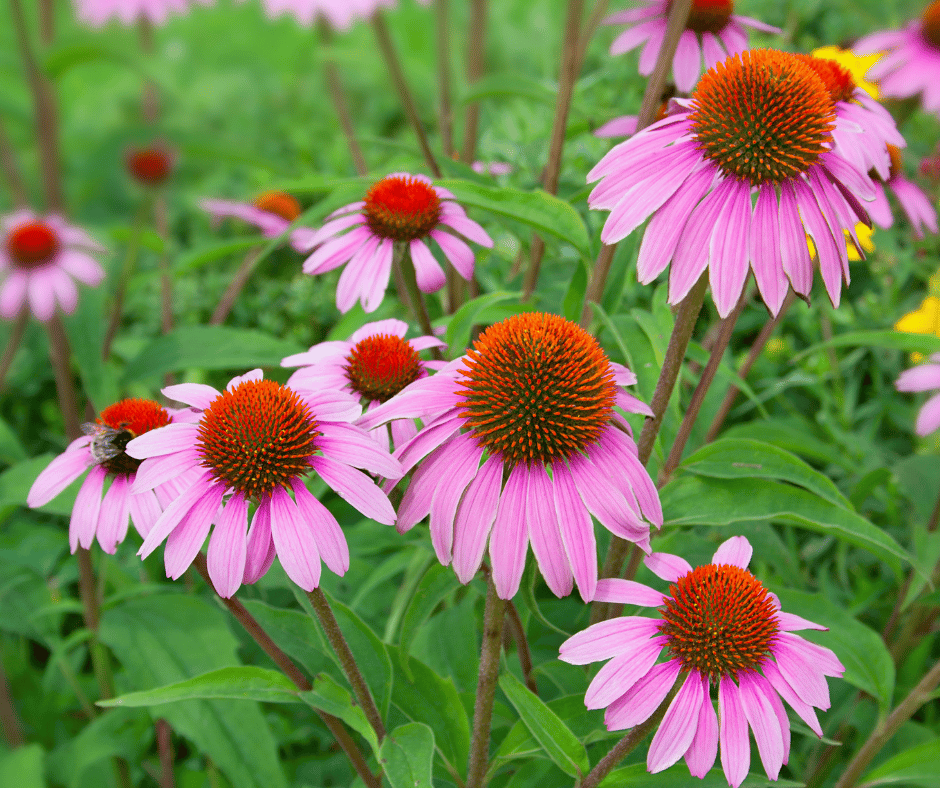
- Echinacea purpurea: The most common variety with purple petals and a prominent cone.
- Echinacea pallida: Pale purple petals with a drooping appearance.
- Echinacea paradoxa: Noted for its rare yellow flowers.
- Echinacea ‘Cheyenne Spirit’: Offers a range of vibrant colors on a single plant.
- Echinacea ‘Green Twister’: Unusual green and purple blooms with a twisting form.
Select a variety based on your climate, soil, and color preferences. Most coneflowers grow between 2 to 4 feet tall and spread up to 2 feet wide.
Best Time to Plant Coneflowers
Plant coneflowers in spring or early fall. Spring planting gives roots time to establish before the heat of summer.
Fall planting should be done at least six weeks before your first frost date to ensure the plant becomes well-established.
Choosing the Right Location
Coneflowers love the sun. Here are the site requirements:
- Sunlight: At least 6-8 hours of full sun per day.
- Soil: Well-draining soil with a pH of 6.0 to 7.0.
- Air circulation: Space plants about 18-24 inches apart for good air flow.
Coneflowers are tough and can adapt to clay, sandy, or rocky soils, but they perform best in nutrient-rich, well-draining soil.
How to Plant Coneflowers
From Seeds:
- Start seeds indoors 8-10 weeks before your last frost date or sow directly outdoors in spring or fall.
- Press seeds lightly into the soil. They need light to germinate.
- Keep soil moist until germination (typically 10-21 days).
From Transplants or Nursery Plants:
- Dig a hole twice the width of the root ball and just as deep.
- Place the plant in the hole with the crown level with the soil surface.
- Backfill and gently firm the soil.
- Water thoroughly.
Coneflower Care Tips
Watering:
- Water young plants regularly to establish roots.
- Once established, water only during prolonged dry spells.
- Avoid overwatering, which can lead to root rot.
Mulching:
- Add a 2-3 inch layer of mulch to retain moisture and suppress weeds.
- Keep mulch away from the crown of the plant to prevent rot.
Feeding:
- Coneflowers don’t require much fertilization.
- Apply a balanced 10-10-10 fertilizer in early spring if growth appears slow.
Pruning & Deadheading:
- Deadhead spent blooms to encourage more flowers.
- In late fall, leave some seed heads to feed birds and for winter interest.
- Cut back the entire plant in early spring before new growth begins.
Overwintering Coneflowers
Coneflowers are hardy perennials that usually survive winter with minimal help:
- In colder regions, add a layer of mulch or straw after the ground freezes.
- Do not cut the plant back in fall; wait until early spring.
- Protect young plants from frost using cloches or frost blankets.
Pests and Problems
Coneflowers are generally pest- and disease-resistant but watch out for:
- Aphids: Can be rinsed off with water or controlled with neem oil.
- Leaf spot and powdery mildew: Avoid overhead watering and improve airflow.
- Japanese beetles: Hand-pick or use traps if infestations occur.
Propagation Methods
Division:
- Divide every 3-4 years in spring or fall.
- Dig up the root ball, divide with a sharp knife, and replant.
Cuttings:
- Take stem cuttings in early summer.
- Root them in a moist growing medium under indirect light.
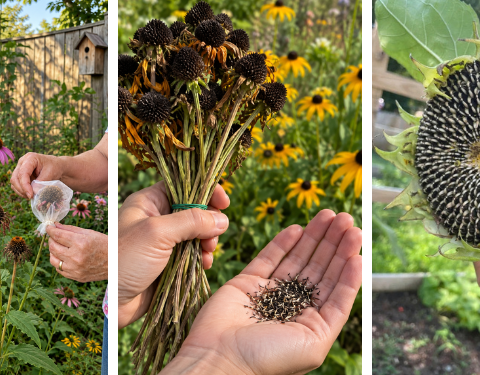
Seeds:
- Allow flowers to go to seed.
- Collect dried seed heads in fall.
- Store seeds in a cool, dry place until planting season.
Companion Planting with Coneflowers
Coneflowers pair well with many other perennials and annuals: Black-eyed Susans, Russian Sage, Bee Balm, Yarrow, Salvia, Lavender, Shasta Daisy.
These companions enhance visual interest and attract pollinators.
Growing Coneflowers in Pots
You can grow coneflowers in containers with the following tips:
- Choose a pot at least 12-16 inches wide with drainage holes.
- Use high-quality, well-draining potting soil.
- Water regularly but ensure soil isn’t soggy.
- Place in a location that receives full sun.
Potted coneflowers may need more frequent feeding and watering compared to those in the ground.
Benefits of Coneflowers in the Garden
- Wildlife support: Attracts pollinators and provides seeds for birds.
- Drought-tolerance: Saves water and effort.
- Medicinal use: Used in teas and tinctures to boost immunity.
- Aesthetic appeal: Adds height, texture, and vivid colors.
Coneflowers are among the easiest and most rewarding perennials to grow.
Their vibrant colors, adaptability, and low-maintenance nature make them a top choice for gardeners of all experience levels.
Whether planted in borders, wildflower gardens, or containers, coneflowers bring enduring beauty and essential ecological benefits.
With a bit of care and attention, your coneflowers will thrive and bloom beautifully year after year.