Gardening is an incredibly rewarding hobby, but it can be intimidating for beginners.
Whether you’re struggling to keep plants alive or just want to improve your garden’s productivity, these 15 garden hacks will help you develop a green thumb in no time.
From DIY solutions to clever planting techniques, these tips will make your gardening experience easier, more efficient, and more enjoyable.
1. Use Eggshells for Natural Fertilizer
Eggshells are packed with calcium, which is essential for plant growth. Crush eggshells and sprinkle them around your plants to enrich the soil and prevent calcium deficiency.
You can also add them to your compost pile for a natural nutrient boost.
2. Create a DIY Self-Watering System
If you’re going on vacation or just forget to water your plants, a self-watering system is a game-changer.
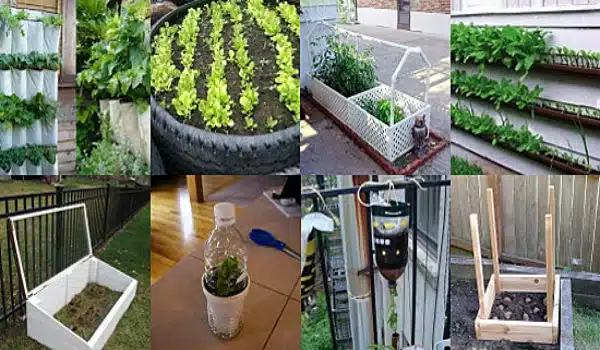
Simply fill a plastic bottle with water, poke small holes in the cap, and insert it upside down into the soil. This allows water to slowly release and keep your plants hydrated.
3. Grow Plants in Toilet Paper Rolls
Toilet paper rolls make excellent biodegradable seed starters.
Fill them with soil and plant your seeds directly in them. When the seedlings are ready, you can plant the entire roll into the ground, and it will break down naturally while enriching the soil.
4. Use Coffee Grounds as a Natural Fertilizer
Coffee grounds are rich in nitrogen, which helps plants grow lush and green. Sprinkle used coffee grounds around acid-loving plants like tomatoes, roses, and blueberries.
They also improve soil structure and attract earthworms, which enhance soil aeration.
5. Companion Planting for Pest Control
Certain plant combinations naturally deter pests and enhance growth. For example, planting basil near tomatoes repels aphids, while marigolds help keep nematodes and beetles at bay.
Research companion planting to maximize your garden’s potential.
6. Mulch to Retain Moisture and Prevent Weeds
Mulching is one of the easiest ways to keep your garden healthy. A layer of mulch around your plants helps retain moisture, suppress weeds, and regulate soil temperature.
Use materials like straw, wood chips, or grass clippings for an effective organic mulch.
7. Use Vinegar to Kill Weeds Naturally
Chemical weed killers can be harmful to the environment, but vinegar is a great natural alternative. Simply spray white vinegar directly onto weeds to dry them out and kill them.
Be careful not to spray it on your plants, as it can damage them too.
8. Make a DIY Trellis from Household Items
If you have climbing plants like peas, beans, or cucumbers, providing support is essential.
Use items like old ladders, wooden stakes, or even old wire hangers to create an inexpensive trellis that supports your plants and maximizes space.
9. Plant Herbs in Vertical Gardens
If you’re short on space, a vertical garden is a perfect solution. Hang small pots on a wall or fence to grow herbs like basil, parsley, and mint.
This saves space and keeps fresh herbs within easy reach for cooking.
10. Reuse Kitchen Scraps to Grow More Plants
Many vegetables can regrow from scraps. For example, place the root end of green onions in water, and they’ll regrow in just a few days.
You can also regrow lettuce, celery, and carrots using this simple method.
11. Use Epsom Salt for Healthier Plants
Epsom salt is rich in magnesium, which helps plants absorb nutrients better.
Dissolve a tablespoon of Epsom salt in a gallon of water and use it to water your plants once a month. This boosts growth and promotes flowering.
12. Protect Plants with Plastic Bottles
Cut the bottom off a plastic bottle and place it over young plants to create a mini greenhouse.
This protects them from frost and pests while allowing sunlight to reach them. It’s an excellent way to give seedlings a head start.
13. Attract Pollinators with Bright Flowers
Bees and butterflies are essential for pollination, which helps plants produce fruit and vegetables.
Plant flowers like lavender, sunflowers, and daisies to attract these beneficial insects and improve your garden’s yield.
14. Use a Rain Barrel for Free Water
Collecting rainwater is an eco-friendly way to keep your garden hydrated.
Set up a rain barrel under a downspout to collect rainwater, which is naturally rich in nutrients and free from chlorine, making it ideal for plants.
15. Harvest Vegetables at the Right Time
Picking vegetables at the right stage of ripeness ensures the best flavor and encourages more production.
For example, tomatoes should be harvested when fully colored but still firm, while zucchini is best picked when it’s about 6 inches long.
With these 15 garden hacks, you’ll be well on your way to mastering the art of gardening.
Whether you’re a beginner or a seasoned gardener, these tips will help you grow healthier plants, increase yields, and make gardening more enjoyable.