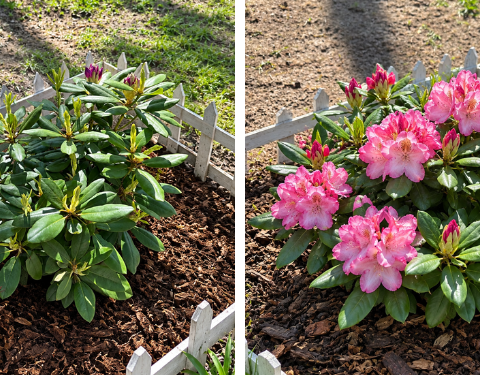
Cold weather may be hard on us, but it doesn’t have to rob your garden of its life and color.
Even when temperatures plunge, there are plenty of spectacular plants that can withstand frost, icy winds, and even snow, continuing to offer stunning blooms during the harshest months.
If you’re brave enough—and have the right plants—you can create a vibrant winter garden filled with resilient, colorful flowers that bloom even when temperatures drop to 15°F (-9°C) or lower.
Many of these hardy flowers actually thrive in cool weather. Some are seedlings that emerge early before other plants awaken, while others bloom right through snowstorms, offering breathtaking color when everything else looks gray.
Here are 12 frost-tolerant flowers that can keep your garden looking cheerful and lively throughout the colder months!
1. Viola
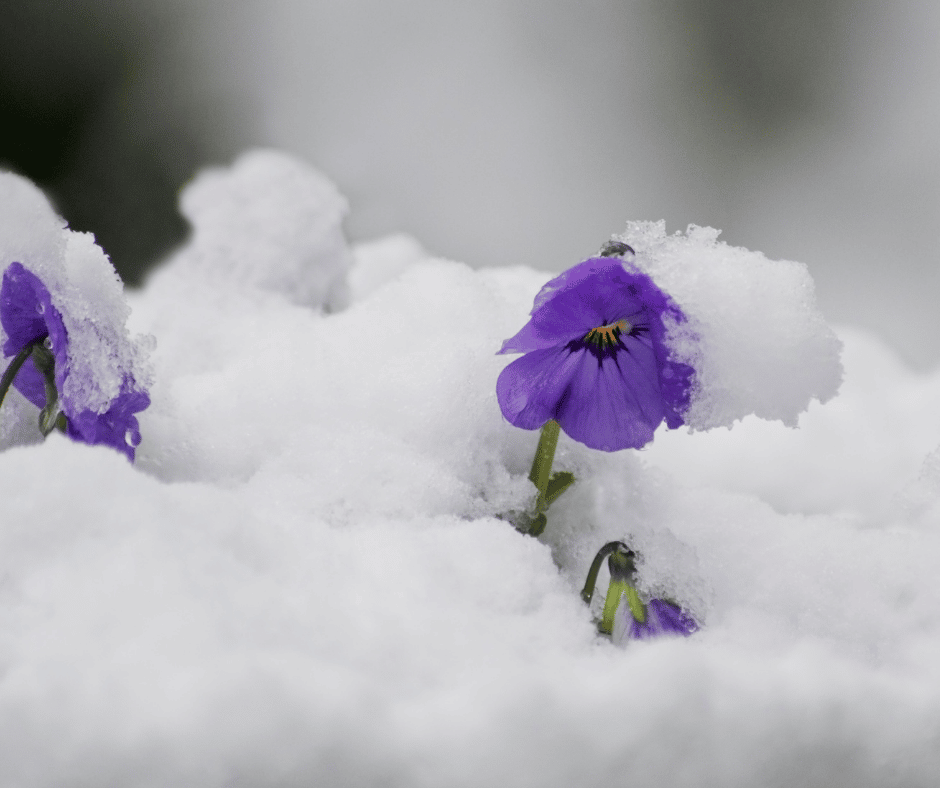
Violas are one of the toughest and most charming cool-weather bloomers. These cheerful little flowers brighten garden beds from late fall through early spring, even surviving under light snow.
Bloom time: Fall through early spring.
Growing conditions: Partial shade is ideal, but violas tolerate full sun in cooler temperatures.
Special tip: Violas self-seed readily, so you’ll often find new plants popping up the following season without any extra effort!
Fun Fact: Violas come in a stunning range of colors including purples, blues, yellows, and bicolors, making them perfect for colorful borders or container gardens.
2. Pansy
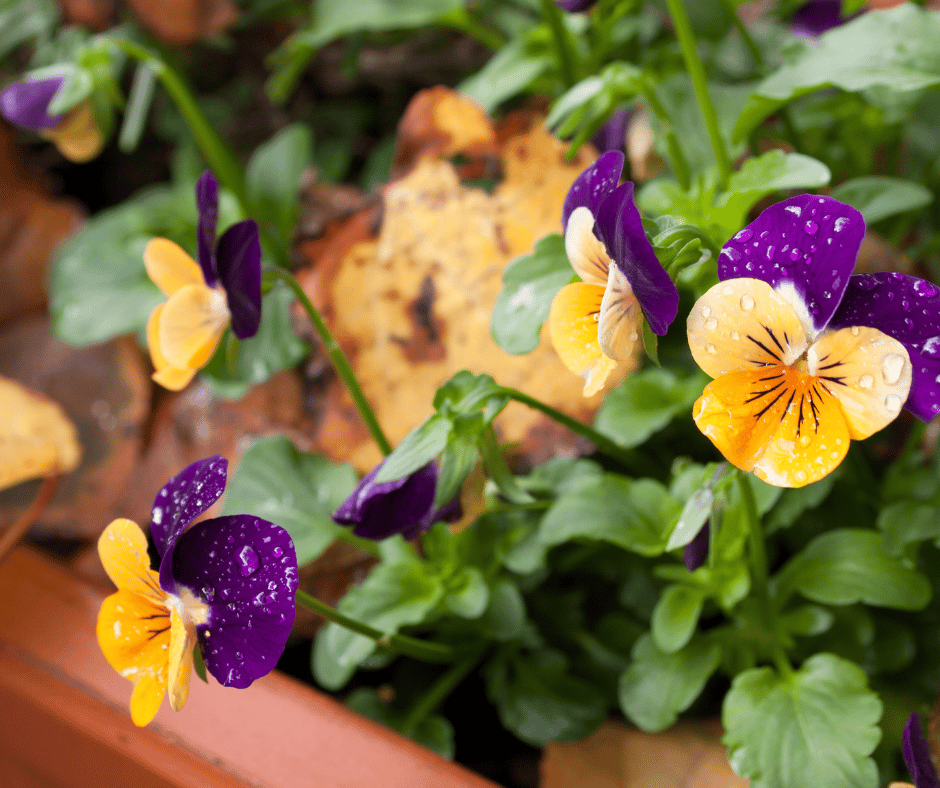
Pansies are a classic cold-hardy flower that many gardeners rely on to bring color to dreary winter gardens.
Height: Typically grows 6–9 inches tall.
Cold tolerance: Survives light frosts and rebounds easily after freezing nights.
Growing tips: Plant them around trees, along walkways, or in pots for bursts of early color.
Pro Tip: Choose winter-hardy varieties like ‘Matrix’ or ‘Cool Wave’ for maximum cold endurance.
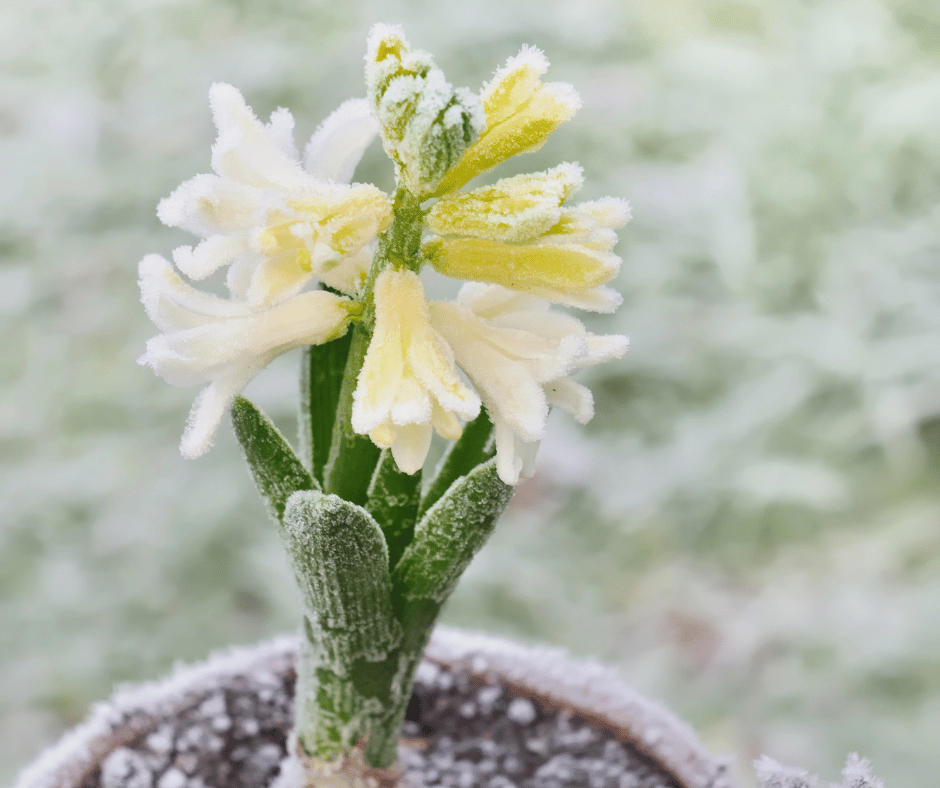
3. Hyacinth
Few flowers can match the heady fragrance and beauty of a blooming hyacinth during the late winter or early spring months.
Planting time: Plant bulbs in fall, about 6 weeks before your first expected frost.
Cold benefits: Hyacinths need a cold period (known as vernalization) to bloom well.
Soil needs: Well-draining soil is critical to prevent bulb rot.
Bonus: Their dense flower spikes look stunning in containers, garden beds, or naturalized in grassy areas.
4. Snowdrop
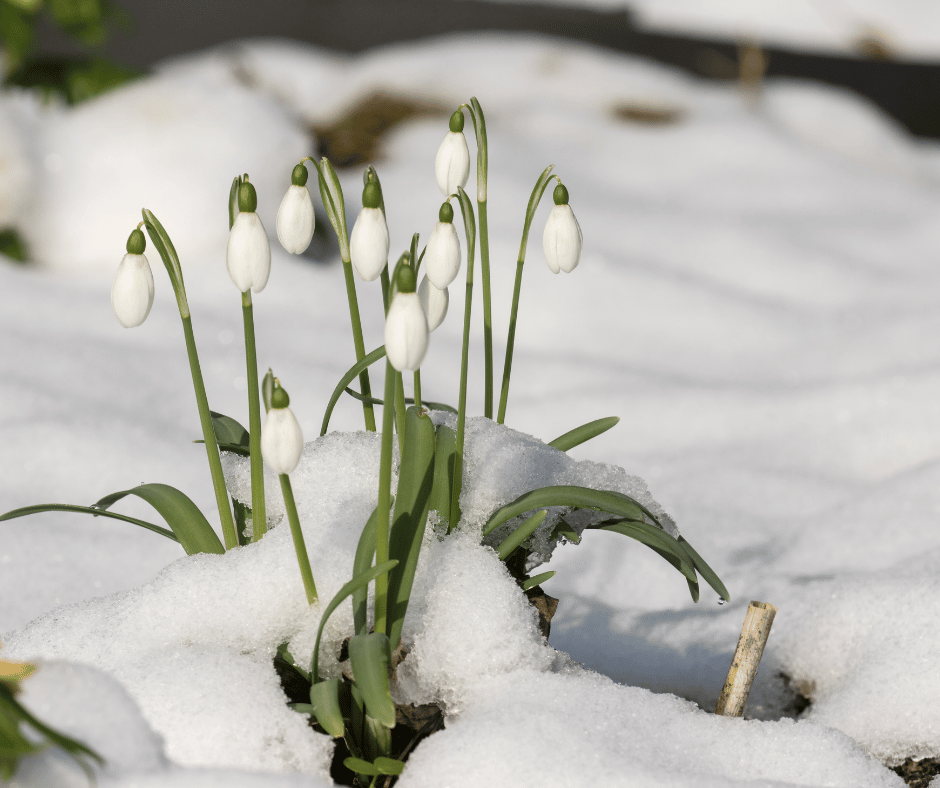
Snowdrops are one of the very first flowers to poke through the snow in late winter, often blooming when little else dares.
Blooming time: Late winter to early spring.
Height: 4–6 inches tall.
Best location: Plant in partial shade under deciduous trees or near woodland edges with moist, well-drained soil.
Charming Detail: Snowdrop blooms resemble tiny white bells that nod in the cold breeze, creating a serene, almost magical garden scene.
5. Primrose
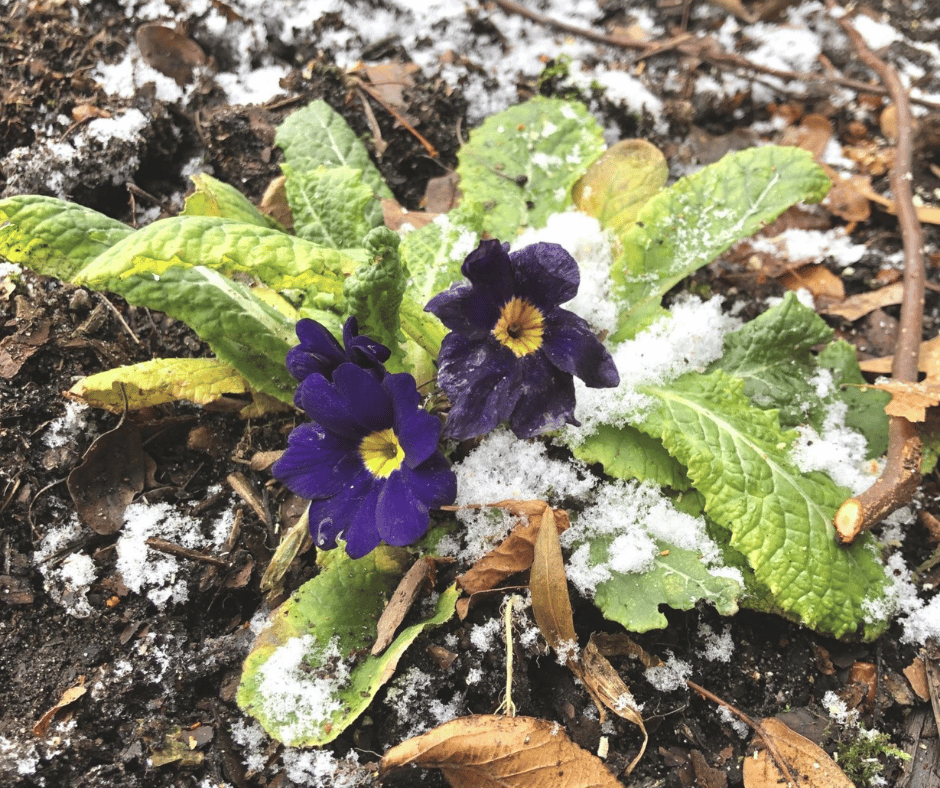
Primroses are hardy, colorful perennials that thrive in cool temperatures.
Temperature tolerance: Can handle light frosts, but extreme cold can cause flower damage.
Bloom time: Late winter through early spring in milder climates.
Growing tip: They prefer moist, rich soil and a partially shaded spot.
Color Bonus: Available in brilliant shades of red, pink, purple, yellow, and white—ideal for brightening up shady garden corners.
6. Snapdragon
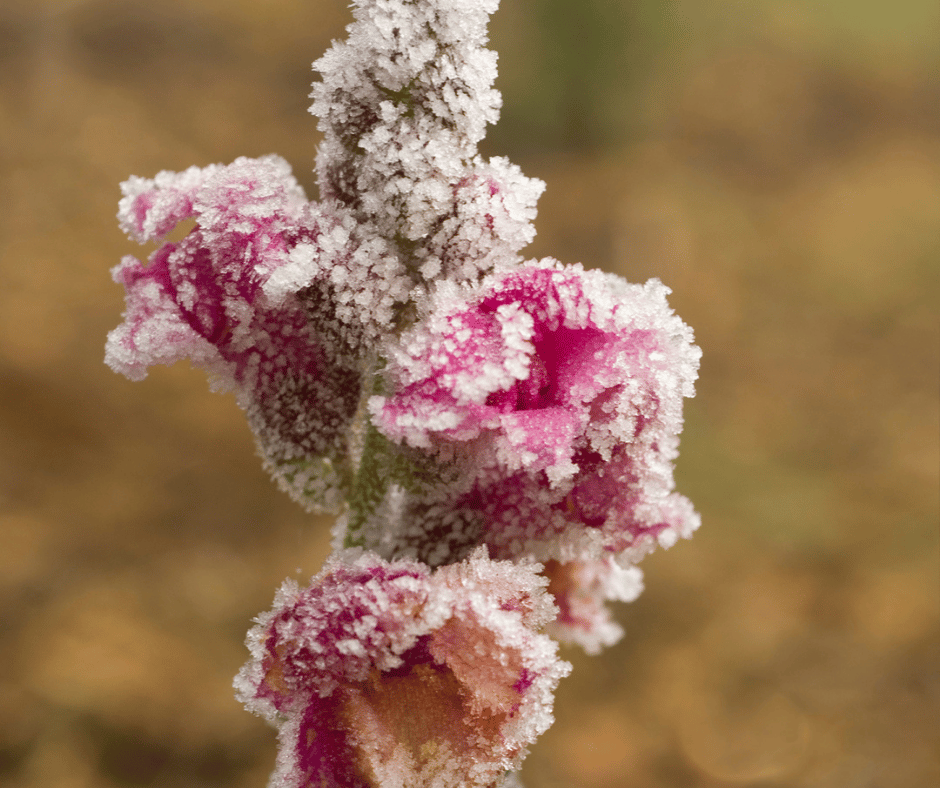
Snapdragons offer bold, vibrant colors and surprising cold tolerance for such delicate-looking flowers.
Types: Choose from dwarf, standard, or trailing varieties depending on your garden space.
Cold preference: Snapdragons thrive during chilly spring and fall seasons and can survive light frosts.
Care tip: Deadhead spent blooms to encourage continuous flowering.
Fun Feature: The blooms snap open and shut when pinched gently—making them a hit with kids and curious gardeners!
7. Sweet Pea
Sweet peas are celebrated for their beautiful blooms and intoxicating fragrance, thriving in cooler weather.
Best planting: Sow seeds directly outdoors in late winter or early spring.
Growth habit: Vining varieties need support like a trellis, while bush types are great for containers.
Cold resistance: Sweet peas tolerate light frosts and will bloom profusely as temperatures warm slightly.
Planting Tip: Soak seeds overnight before planting to help them germinate faster.
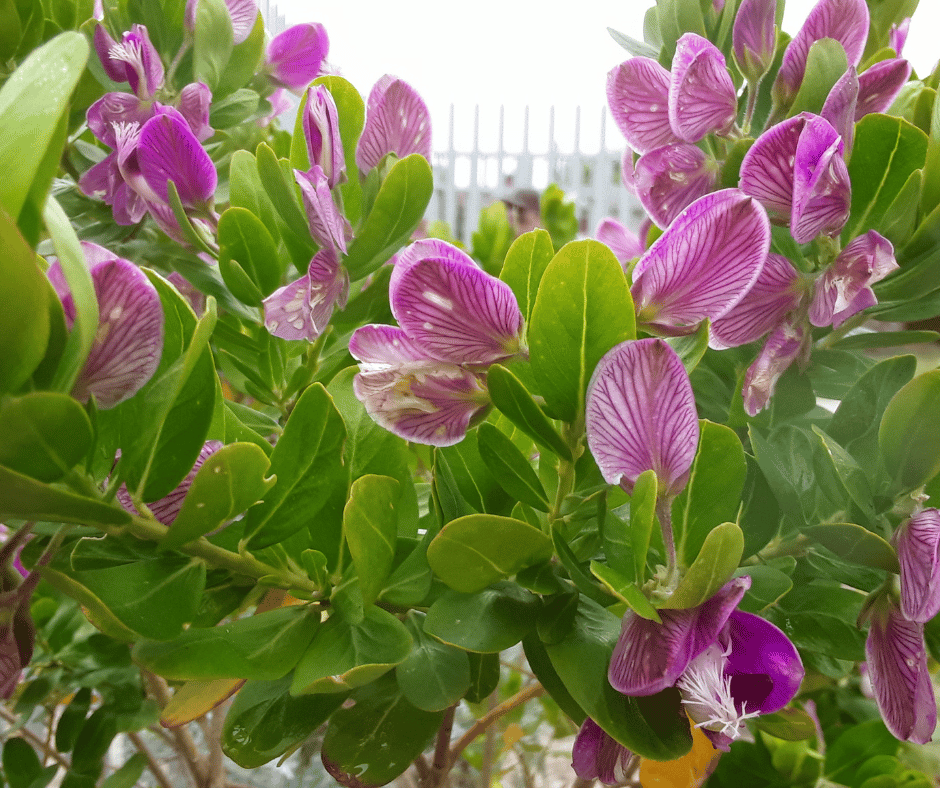
8. Lily of the Valley
Delicate yet tough, lily of the valley can survive freezing temperatures and even snow cover.
Light needs: Thrives in full to partial shade.
Soil: Prefers moist, well-drained soil rich in organic matter.
Special trait: These low-growing plants spread easily, creating lush carpets of greenery dotted with small, fragrant white flowers.
Garden Tip: Plant them along walkways or under trees where few other flowers thrive.
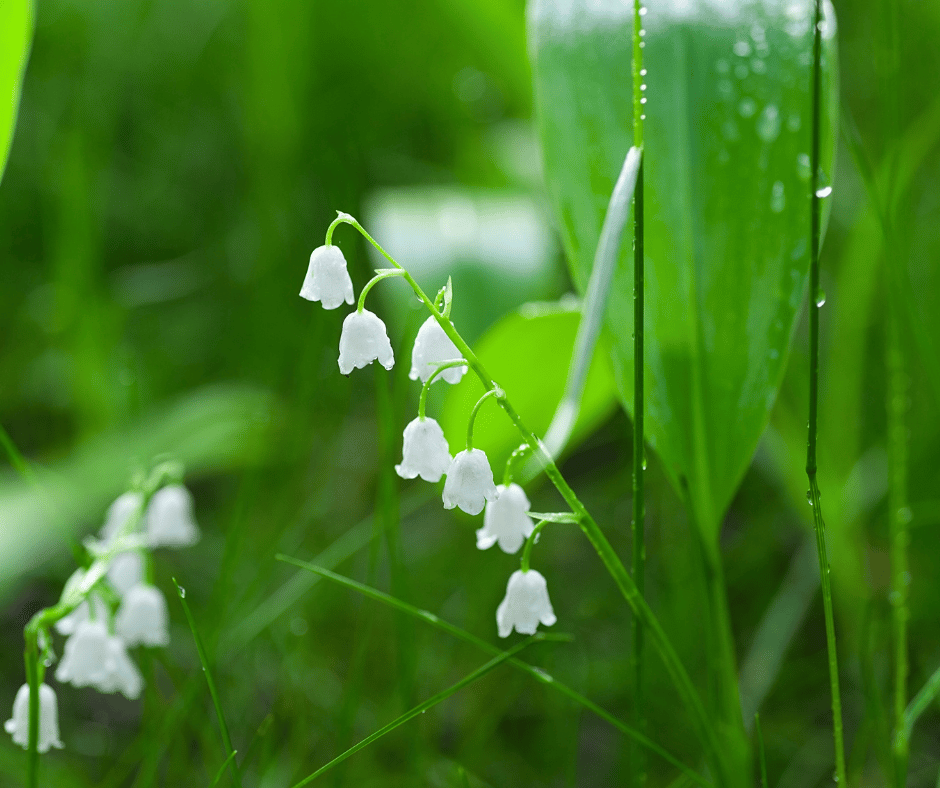
9. Daffodil
Daffodils are among the first signs that spring is near, often blooming while there’s still a chill in the air.
Planting: Plant bulbs in fall for blooms in late winter or early spring.
Frost tolerance: Very hardy; daffodils easily withstand snow and frost.
Care note: After flowering, allow the foliage to yellow naturally to recharge the bulb for next year.
Flower Power: Their cheerful yellow, white, or orange flowers symbolize hope and renewal in the cold months.
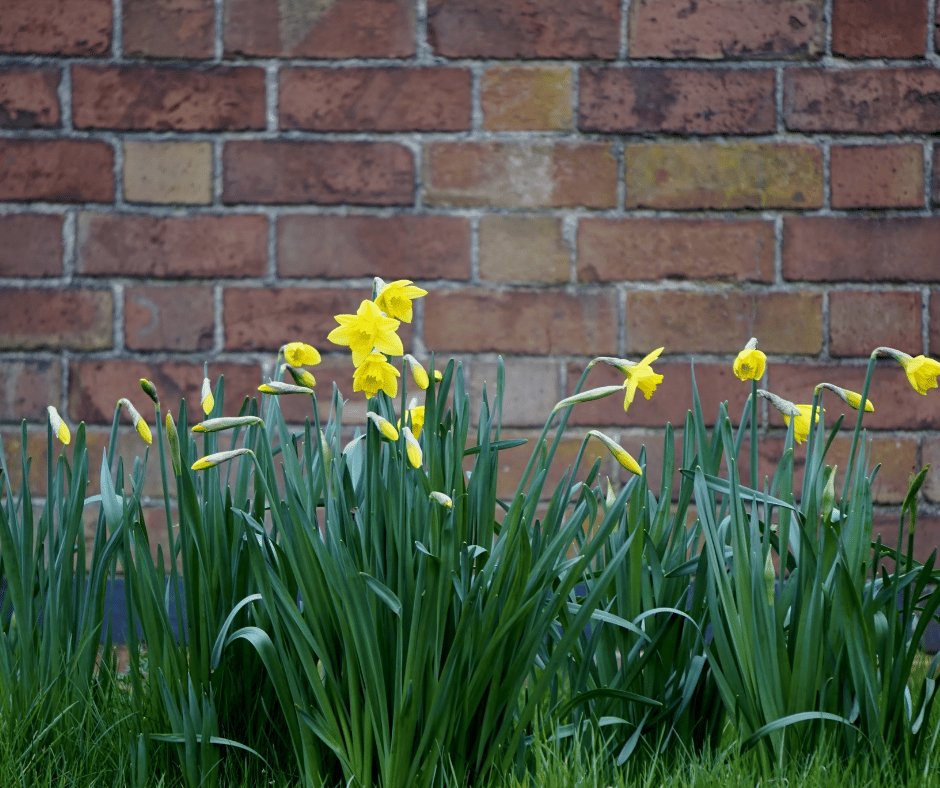
10. Crocus
Small but mighty, crocuses are often the first flowers to emerge through the snow.
Bloom time: Late winter to early spring.
Color range: Violet, purple, yellow, white, and striped varieties.
Cold secret: Snow acts as insulation, protecting crocus bulbs during freezing temperatures.
Planting Tip: Scatter crocus bulbs throughout lawns, rock gardens, and borders for delightful pops of color.
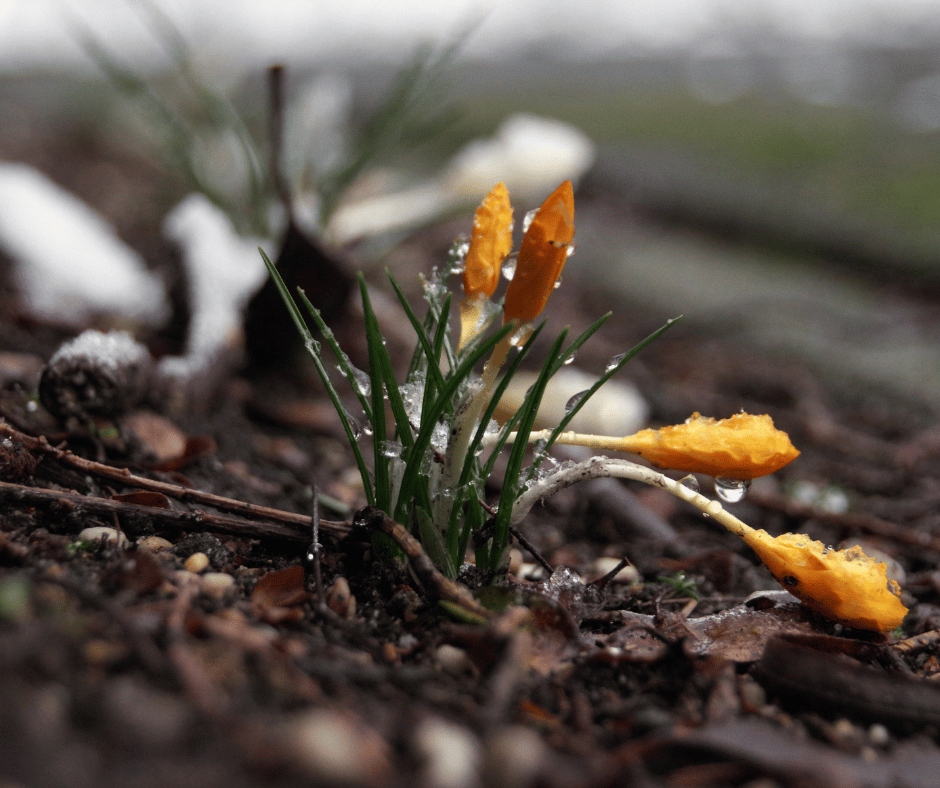
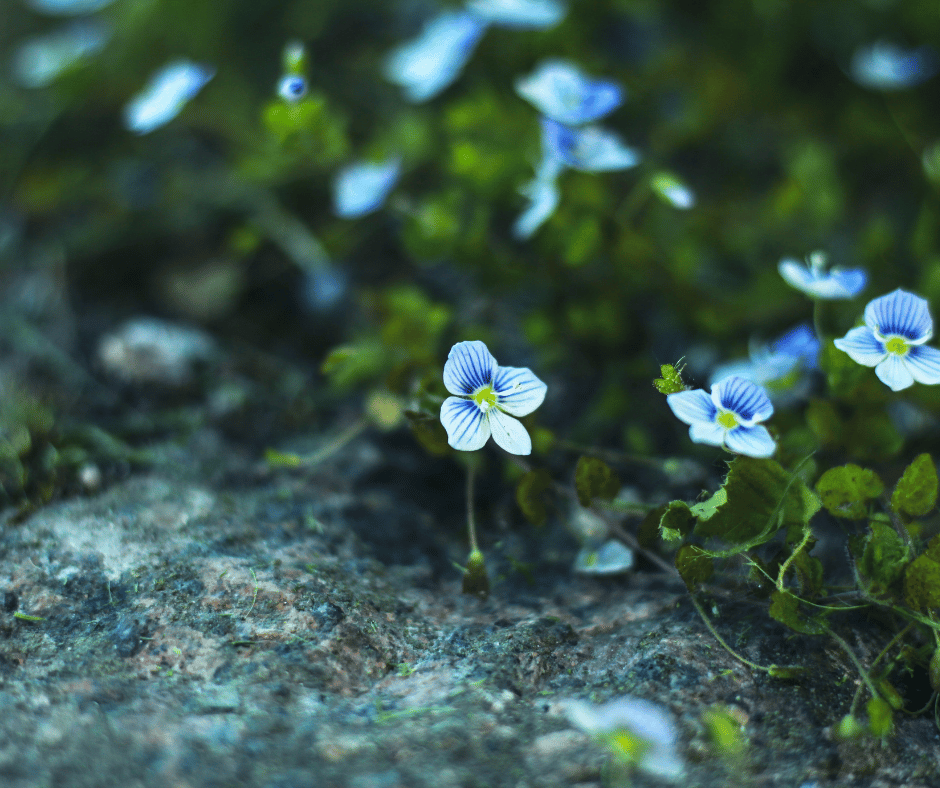
11. Forget-Me-Not
Forget-me-nots offer clouds of tiny blue blooms that are perfect for cool weather gardens.
Growth habit: Low-growing plants, making them excellent ground cover.
Cold resistance: They thrive in cool climates and can survive light frosts.
Bloom time: Late spring in colder areas but earlier in milder climates.
Landscape Idea: Mix forget-me-nots with spring bulbs like tulips and daffodils for a stunning layered display.
12. Camellia
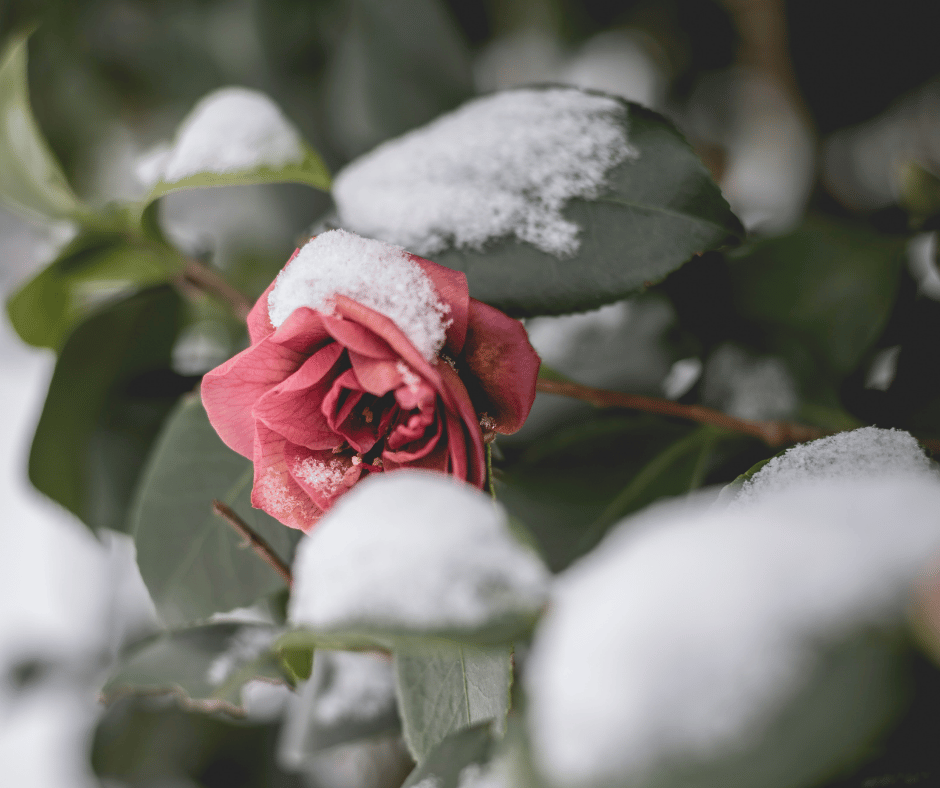
Camellias are elegant shrubs that bloom profusely during fall, winter, or early spring, depending on the variety.
Cold hardy types: Some varieties, like Camellia japonica and Camellia sasanqua, can survive winter temperatures as low as 10°F (-12°C).
Light needs: Partial shade and protection from harsh winds.
Maintenance: Minimal care beyond mulching and occasional pruning.
Color Bonus: Camellias produce gorgeous rose-like flowers in shades of pink, red, white, and variegated patterns.
Cold weather doesn’t have to mean the end of garden beauty. With the right selection of frost-tolerant flowers, your garden can bloom vibrantly even when the world around it is wrapped in frost and snow.
From the cheerful faces of pansies and violas to the elegant, fragrant blooms of sweet peas and camellias, these hardy plants defy winter’s grip and offer a much-needed burst of color during the colder months.
Plant these cold-hardy varieties to transform your garden into a winter wonderland filled with vibrant life, resilience, and breathtaking beauty—even when the thermometer drops!