Mosquitoes are more than just a nuisance; they can carry harmful diseases and ruin outdoor gatherings. While chemical repellents are effective, many people prefer natural alternatives.
Fortunately, some fragrant plants can help keep mosquitoes away while adding beauty and aroma to your garden or home.
Here are 11 fragrant plants that not only repel mosquitoes but also enhance your outdoor spaces.
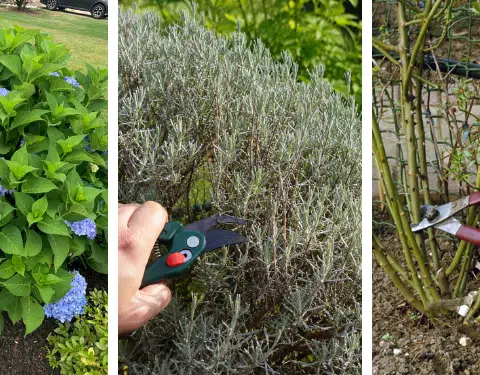
1. Lavender (Lavandula)
Why It Works:
Lavender has a soothing, sweet fragrance that is pleasant to humans but highly repellent to mosquitoes.
The essential oils in lavender contain compounds like linalool and linalyl acetate, which are known to deter insects.
How to Use:
- Plant lavender in pots or garden beds around patios and entrances.
- Crush the flowers and rub them on exposed skin as a natural repellent.
- Use lavender essential oil in diffusers or homemade sprays.
Additional Benefits:
Lavender also repels moths and flies while promoting relaxation and better sleep.
2. Citronella (Cymbopogon nardus)
Why It Works:
Citronella is a well-known mosquito repellent, often used in candles and sprays. Its strong citrusy scent masks the human scent that attracts mosquitoes.
How to Use:
- Grow citronella grass in large pots and place them near sitting areas.
- Crush the leaves and apply the oils directly to the skin.
- Use citronella oil in homemade mosquito repellent candles.
Additional Benefits:
Citronella also helps deter other flying insects like flies and gnats.
3. Basil (Ocimum basilicum)
Why It Works:
Basil’s essential oils, including eugenol, have mosquito-repelling properties. The scent confuses mosquitoes, making it harder for them to find you.
How to Use:
- Grow basil in pots near windows and outdoor dining areas.
- Crush fresh basil leaves and place them around sitting areas.
- Add basil to homemade bug sprays.
Additional Benefits:
Basil is not only a natural mosquito repellent but also a delicious herb for cooking.
4. Rosemary (Rosmarinus officinalis)
Why It Works:
Rosemary’s woody aroma deters mosquitoes, making it a perfect addition to patios and gardens.
How to Use:
- Grow rosemary in pots and place them near outdoor seating.
- Toss rosemary sprigs into a fire pit to release its mosquito-repelling scent.
- Use rosemary essential oil in DIY sprays.
Additional Benefits:
Rosemary is great for seasoning food and has medicinal properties that promote hair growth and mental clarity.
5. Marigolds (Tagetes)
Why It Works:
Marigolds contain pyrethrum, a natural compound found in many insect repellents.
How to Use:
- Plant marigolds around your garden borders to create a natural barrier.
- Keep potted marigolds on patios or near entryways.
- Use dried marigold petals in sachets indoors.
Additional Benefits:
Marigolds also deter aphids and other garden pests.
6. Mint (Mentha)
Why It Works:
Mint’s strong menthol aroma confuses mosquitoes, making it difficult for them to locate their prey.
How to Use:
- Grow mint in pots around outdoor living spaces.
- Crush mint leaves and rub them on the skin.
- Use mint essential oil in homemade sprays.
Additional Benefits:
Mint is useful in teas and as a digestive aid.
7. Catnip (Nepeta cataria)
Why It Works:
Catnip contains nepetalactone, which is 10 times more effective than DEET at repelling mosquitoes.
How to Use:
- Grow catnip in containers or garden beds.
- Crush the leaves and apply them directly to exposed skin.
- Use catnip essential oil in DIY mosquito sprays.
Additional Benefits:
Catnip also attracts cats, providing entertainment for pet owners.
8. Lemongrass (Cymbopogon citratus)
Why It Works:
Lemongrass contains high levels of citronella, making it an excellent mosquito deterrent.
How to Use:
- Grow lemongrass in pots around outdoor seating areas.
- Crush the leaves and rub them on the skin.
- Use lemongrass essential oil in homemade bug sprays.
Additional Benefits:
Lemongrass is also used in cooking and has antibacterial properties.
9. Thyme (Thymus vulgaris)
Why It Works:
Thyme releases a strong aroma that repels mosquitoes, especially when crushed or burned.
How to Use:
- Plant thyme in garden beds or containers.
- Crush thyme leaves and apply the oils directly to the skin.
- Throw sprigs of thyme into an outdoor fire to repel insects.
Additional Benefits:
Thyme is also a flavorful herb used in many dishes.
10. Sage (Salvia officinalis)
Why It Works:
Sage emits a fragrance that naturally repels mosquitoes, particularly when burned.
How to Use:
- Grow sage in pots or garden beds near patios.
- Toss sage leaves into a fire pit or barbecue grill.
- Use sage essential oil in homemade mosquito repellents.
Additional Benefits:
Sage is known for its medicinal properties and is commonly used in cooking.
11. Eucalyptus (Eucalyptus globulus)
Why It Works:
Eucalyptus contains eucalyptol, a compound with proven mosquito-repelling properties.
How to Use:
- Grow eucalyptus in pots or in your garden.
- Use eucalyptus essential oil in homemade sprays.
- Crush eucalyptus leaves and rub them on the skin.
Additional Benefits:
Eucalyptus also has anti-inflammatory properties and can be used to relieve congestion.
Using fragrant plants to repel mosquitoes is a natural, eco-friendly way to enjoy the outdoors without chemical sprays.