

Euphorbia hirta, commonly known as the asthma-plant, is a small, herbaceous plant that has been used in traditional medicine for centuries.
Native to tropical regions, this hardy plant can often be found growing in gardens, along roadsides, and in open areas.
Despite its humble appearance, Euphorbia hirta is renowned for its diverse medicinal properties and has been used to treat a variety of ailments, particularly respiratory conditions like asthma.
In this article, we’ll explore the traditional uses and applications of Euphorbia hirta and uncover why it remains an important herb in natural medicine today.
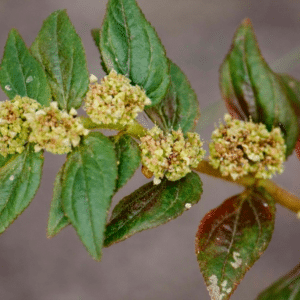
Traditional Uses of Euphorbia Hirta
1. Asthma and Respiratory Conditions
The common name “asthma-plant” reflects one of Euphorbia hirta’s most well-known uses: treating asthma and other respiratory conditions.
The plant contains compounds that have bronchodilatory effects, helping to relax the airways and improve breathing.
How It’s Used:
- Tea or Decoction: The leaves of Euphorbia hirta are often brewed into a tea or decoction to help soothe coughs, clear mucus, and relieve symptoms of asthma, bronchitis, and other respiratory issues.
- Inhalation: The steam from boiling the leaves can be inhaled to provide relief from respiratory congestion and to ease breathing.
2. Anti-Inflammatory and Pain Relief
Euphorbia hirta has anti-inflammatory properties that make it effective in reducing inflammation and pain in the body.
Traditionally, it has been used to alleviate pain caused by conditions such as arthritis, gout, and general muscle soreness.
How It’s Used:
- Poultice: Fresh leaves are crushed to create a poultice, which can be applied directly to the skin to reduce swelling and pain.
- Oral Consumption: A tea made from the leaves can also help reduce internal inflammation and provide pain relief.
3. Antimicrobial and Antiviral Properties
Euphorbia hirta is known for its antimicrobial and antiviral properties. It has been used traditionally to treat a wide range of infections, including those caused by bacteria, viruses, and fungi.
How It’s Used:
- Topical Application: A paste made from the leaves can be applied to cuts, wounds, and skin infections to help prevent bacterial growth and promote healing.
- Internal Use: The plant’s extracts are sometimes taken internally to combat infections and support the immune system.
4. Digestive Health
The leaves and sap of Euphorbia hirta have been used to treat various digestive ailments, such as diarrhea, dysentery, and intestinal worms.
The plant’s antispasmodic properties help soothe stomach cramps and promote digestive health.
How It’s Used:
- Infusion: A mild infusion made from the leaves is consumed to alleviate digestive discomfort and treat diarrhea or dysentery.
- Deworming Remedy: Traditional healers often use Euphorbia hirta to eliminate intestinal parasites and worms.
5. Menstrual and Reproductive Health
Euphorbia hirta has been used traditionally to address various women’s health issues, including menstrual disorders and postpartum recovery.
Its ability to balance hormones and promote blood circulation has made it a popular choice for treating menstrual cramps, irregular periods, and excessive bleeding.
How It’s Used:
- Tea or Decoction: The leaves are brewed into a tea that can be consumed to regulate menstrual cycles, ease cramps, and reduce excessive menstrual bleeding.
- Postpartum Use: The plant is also used to help with postpartum recovery, particularly to manage bleeding and restore strength.
6. Diuretic and Detoxifying Agent
Euphorbia hirta is considered a natural diuretic, helping to increase urine production and flush toxins from the body.
This makes it useful for treating urinary tract infections, kidney stones, and edema.
How It’s Used:
- Infusion or Tea: Consuming a tea made from the leaves can promote urination and help cleanse the urinary tract.
- Detoxification: Regular consumption of the tea is believed to help remove toxins from the body, supporting overall health and wellness.
7. Fever Reduction
Traditional healers have used Euphorbia hirta to reduce fevers and provide relief from symptoms of malaria, dengue, and other febrile illnesses.
Its cooling properties make it effective in bringing down high body temperatures.
How It’s Used:
- Decoction: A decoction made from the leaves is often consumed to help lower fever and alleviate associated symptoms such as headaches and body aches.
- Topical Application: The leaves can be applied to the forehead as a cooling compress to reduce fever.
Modern Applications and Research
While Euphorbia hirta has been used in traditional medicine for centuries, modern scientific research is beginning to validate some of its therapeutic properties.
Studies have shown that the plant contains several bioactive compounds, including flavonoids, tannins, phenols, and triterpenoids, which contribute to its anti-inflammatory, antimicrobial, and antioxidant effects.
- Respiratory Benefits: Research supports its use as a bronchodilator and expectorant, making it potentially beneficial for asthma and other respiratory conditions.
- Antimicrobial Effects: Several studies have confirmed its antibacterial and antiviral properties, particularly against common pathogens.
- Anti-Inflammatory Potential: Its anti-inflammatory properties have been demonstrated in various in vitro and in vivo studies, suggesting its potential for treating inflammatory conditions.
Precautions and Considerations
While Euphorbia hirta offers many benefits, it is important to use it responsibly:
- Consult a Healthcare Professional: Always consult a healthcare provider before using Euphorbia hirta, especially if you are pregnant, nursing, or taking other medications.
- Dosage: Use the plant in moderation and follow recommended dosages, as excessive use may cause gastrointestinal discomfort or skin irritation in sensitive individuals.
- Allergies: Some people may be allergic to the plant, so perform a patch test before applying it topically or consuming it.
Euphorbia hirta, or the asthma-plant, is a versatile herb with a rich history of traditional use in treating a wide range of ailments.
From respiratory conditions to digestive health and skin infections, this humble plant offers a multitude of benefits that continue to be explored by modern science.
As always, exercise caution when using natural remedies and consult with a healthcare professional to ensure safety and efficacy.


