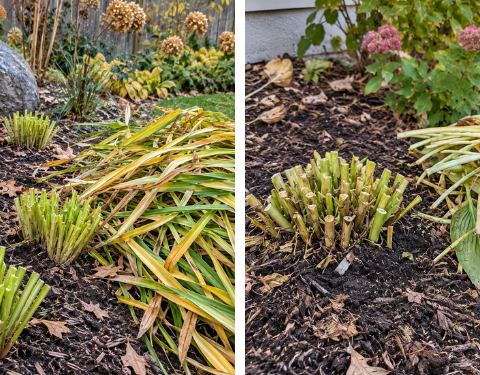
Epsom salt – known chemically as magnesium sulfate – has long been a gardener’s secret weapon.
While it’s often overlooked in modern gardening conversations, this humble mineral compound is packed with benefits that can improve plant health, increase yield, and enhance overall garden vitality.
Whether you’re growing tomatoes, roses, trees, or even lawn grass, Epsom salt has something to offer. Let’s explore how you can unlock its full potential in your garden.
Why Epsom Salt?
Epsom salt is a mineral supplement that can be used to enhance the uptake of nutrients by plants. It contains magnesium, which helps keep your plants healthy and strong!’
A lack of magnesium can lead to a variety of problems for plants. It helps them take up other important nutrients like phosphorus and nitrogen, as well as help produce chlorophyll which is vital in photosynthesis processes.
Epsom salt is a great resource for the gardener because not only can it help to cure plant diseases and fungus, but also as an inexpensive way of fertilizing your soil. You’ll find that it at most drugstores or supermarkets.
15 Super Effective Ways to Use Epsom salt in Your Garden
1. Foliar Spray for Magnesium Boost
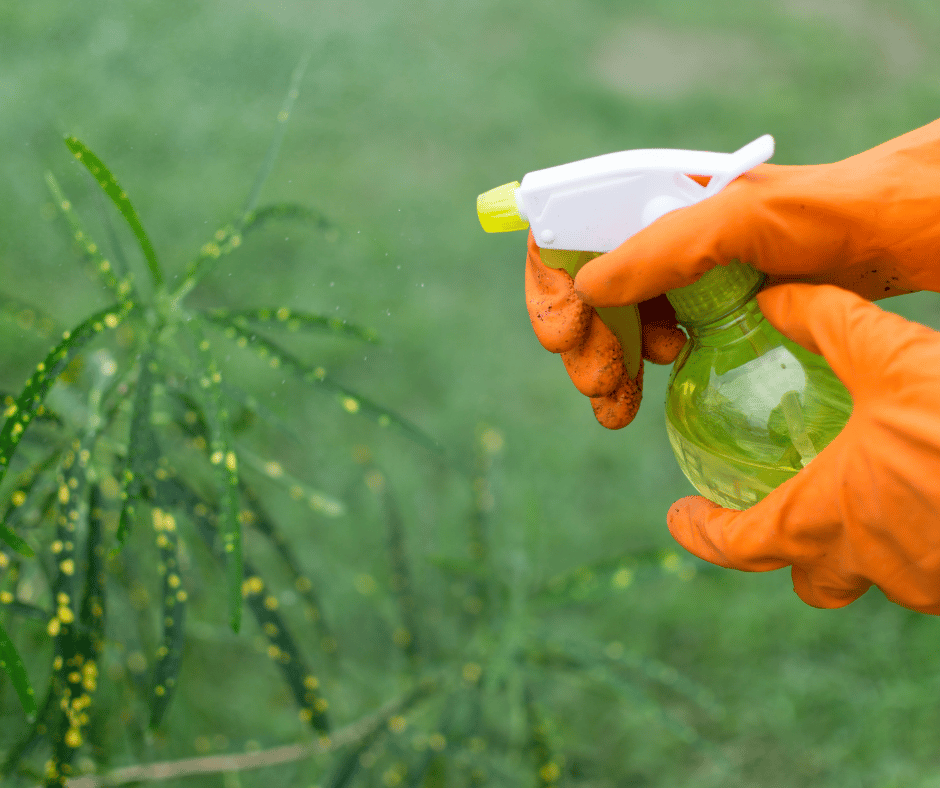
One of the most common ways gardeners use Epsom salt is by applying it as a foliar spray.
When dissolved in water and misted directly onto the leaves, the magnesium is absorbed quickly, bypassing soil deficiencies and delivering nutrients right where the plant needs them.
To create a simple yet powerful spray, mix 1 tablespoon of Epsom salt with 1 gallon of water. Spray this solution on your plants when new leaves begin to emerge.
Focus on spraying early in the morning or on a cloudy day to avoid leaf burn from the sun. For best results, repeat every two to four weeks during the growing season.
This treatment is especially useful for plants showing signs of magnesium deficiency – yellowing leaves, slow growth, or leaf curling.
2. Soil Amendment for Tomatoes, Peppers, and Roses
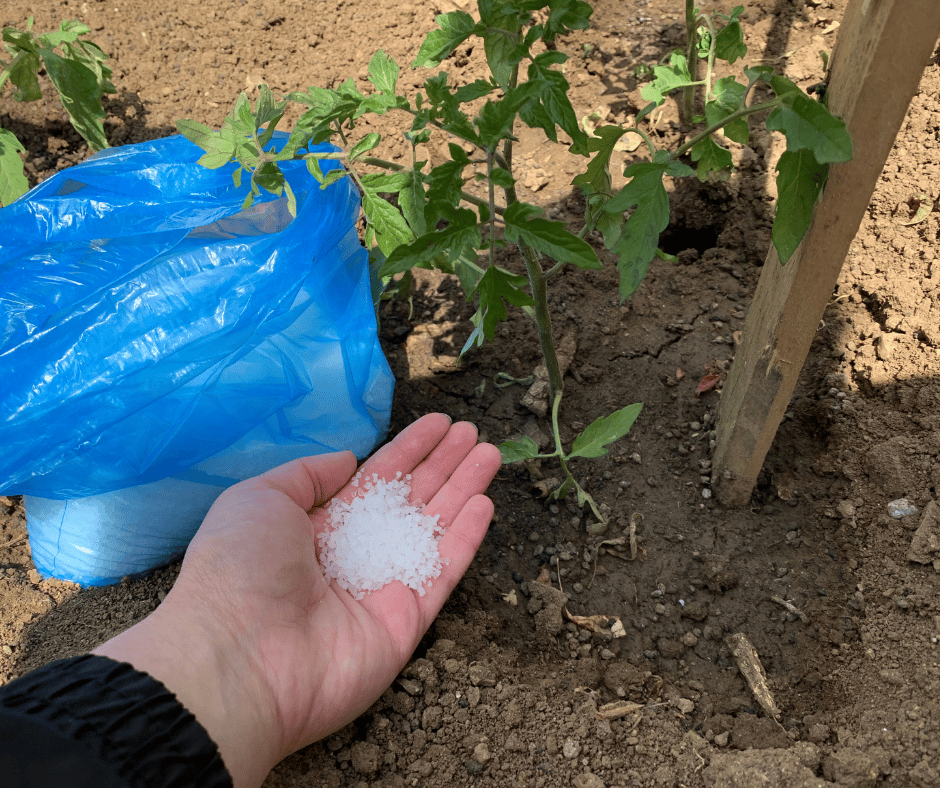
Certain plants – like tomatoes, bell peppers, and roses – are known to be heavy magnesium users. Without enough magnesium, these plants may develop weak stems, poor fruiting, or pale foliage.
To enrich your soil, simply sprinkle 1/4 cup of Epsom salt per 25 square feet into the soil before planting, or mix it into the soil around established plants. Water well after application to help the minerals soak into the root zone.
Tomatoes especially benefit from this boost during flowering and fruiting stages, which are nutrient-intensive periods.
3. Feed Landscaping Trees Like Palms and Magnolias
Trees with broad leaves or tropical origins – such as palms, magnolias, and citrus – are often prone to magnesium deficiency, which causes symptoms like yellowing leaves or frizzled tops.
To give these trees the magnesium they crave, mix 1 tablespoon of Epsom salt into 1 gallon of water and pour it around the base of the tree or use a sprayer to coat the foliage.
Apply monthly during the growing season to encourage lush green growth and strong root development.
4. Revitalize Your Lawn
A magnesium-rich lawn is a green lawn. If your grass looks dull, patchy, or lifeless despite watering and mowing, it might be lacking key nutrients.
Using a lawn spreader, evenly apply about 7 pounds of Epsom salt per 1,250 square feet of grass. There’s no need to dilute it. Just water your lawn afterward to help the minerals soak in.
The result? Greener, thicker turf in just a few weeks.
5. Fertilize Potted Plants
Container-grown plants can deplete soil nutrients faster than in-ground gardens. Fortunately, Epsom salt is an easy way to revitalize their environment.
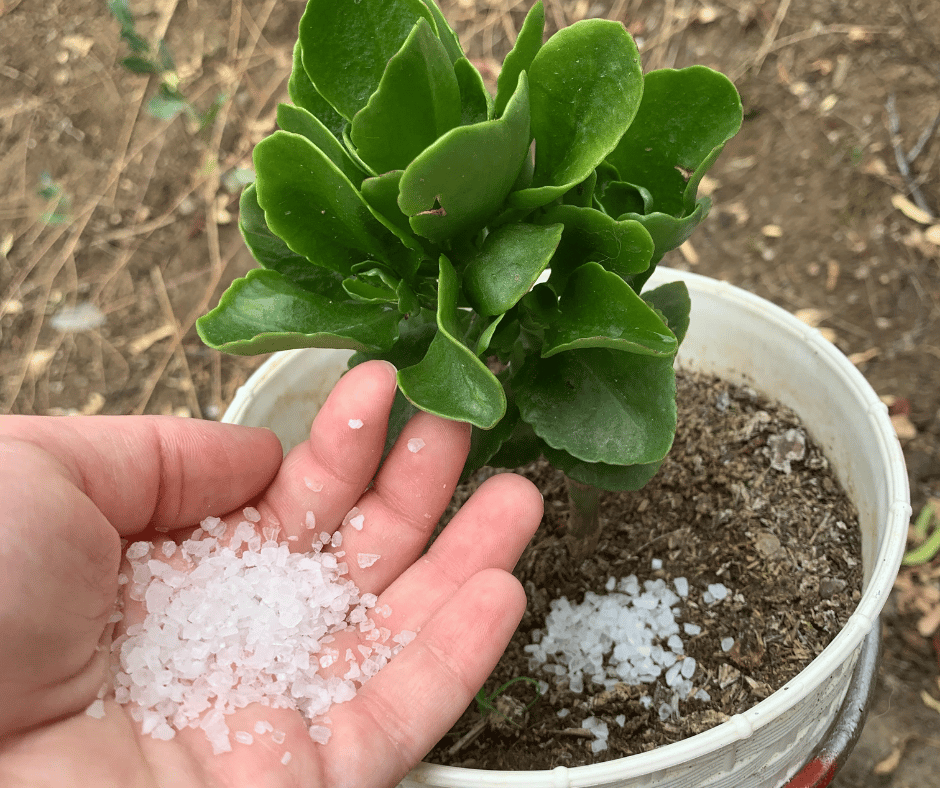
Dissolve 2 tablespoons of Epsom salt in a gallon of water and use it to water your potted plants once a month.
This is especially helpful for indoor plants, ferns, geraniums, and succulents like aloe vera or cacti. It supports vibrant foliage, strong stems, and more frequent blooming.
6. Leach Out Fertilizer Salts from Soil
Over time, synthetic fertilizers can leave behind salt residues that damage plant roots and throw off soil balance. A good flush with Epsom salt helps reset the soil.
To leach out these toxins, dissolve 1 teaspoon of Epsom salt in a gallon of water. Slowly pour this mixture into the soil of your potted or garden plants until water drains freely from the bottom.
This gentle flush clears out accumulated salts while adding a small magnesium bonus.
7. Strengthen Acid-Loving Shrubs
Plants like azaleas, rhododendrons, camellias, and hydrangeas thrive in slightly acidic, magnesium-rich soil. When deprived of magnesium, they may appear stunted or produce fewer blooms.
Apply 1 tablespoon of Epsom salt per 9 square feet of soil around your shrubs, gently working it into the top layer and watering deeply afterward.
The added magnesium encourages healthy leaf color and larger blossoms throughout the season.
8. Boost Seed Germination
A strong start makes all the difference in a plant’s life cycle. Magnesium supports seed germination by helping seeds convert sunlight into energy through photosynthesis.
Before planting, mix 1 tablespoon of Epsom salt into each planting hole or water seeds after planting with a mixture of 1 tablespoon per gallon of water.
Apply this solution over an area of about 100 square feet for maximum coverage and early growth support.
9. Reduce Transplant Shock
Moving plants to a new location often disrupts their roots, leading to wilting, yellowing, or leaf drop. Epsom salt can ease this stress by enhancing root uptake of water and nutrients.
When transplanting, sprinkle a tablespoon of Epsom salt into the hole before placing the plant. Alternatively, water newly moved plants with a diluted solution of 1 tablespoon per gallon of water.
10. Deter Garden Pests
While not a full-scale pesticide, Epsom salt can act as a deterrent against certain soft-bodied pests like slugs and snails.
Mix 1/2 cup of Epsom salt into 2.5 gallons of water and spray it directly onto foliage or surrounding soil. The salt’s abrasive texture and bitter taste keep pests from munching on your plants, especially tender leafy greens.
11. Restore Faded Leaves
When ornamental plants like coleus, petunias, or hostas begin to lose their rich green hue, magnesium deficiency may be the culprit.
A quick fix is to spray the foliage with a mix of 1 tablespoon Epsom salt per gallon of water. Do this every few weeks during the growing season to promote vibrant, lush foliage.
12. Enhance Fruit Flavor
If your fruits seem bland or your strawberries, apples, or tomatoes lack sweetness, Epsom salt can help bring out their natural flavor.
Water fruiting plants with a solution of 1 tablespoon Epsom salt per gallon of water every two weeks. Pour directly at the roots during bloom and fruit development stages.
Magnesium helps plants more efficiently produce sugars and enzymes involved in flavor creation.
13. Remove Tree Stumps Naturally
Looking for a safe and budget-friendly way to rot out a stubborn tree stump? Epsom salt helps accelerate decomposition by drying out the wood and cutting off water supply.
Drill several holes into the top of the stump, each about 8–10 inches deep and spaced a few inches apart. Fill each hole with Epsom salt and top off with water to moisten.
Cover the stump with a tarp to retain moisture and repeat every few weeks until the stump softens and breaks down naturally.
14. Top Dressing for Fast Nutrient Access
During peak growing months, a top dressing of Epsom salt offers a quick nutrient fix for magnesium-hungry crops.
Just sprinkle 1 tablespoon of Epsom salt around the base of your plant, avoiding direct contact with the stems. Water thoroughly to help the salt seep into the soil and deliver nutrients directly to the roots.
This method is perfect for squash, eggplants, beans, and even flowers like zinnias and cosmos.
15. Improve Flowering and Bloom Abundance
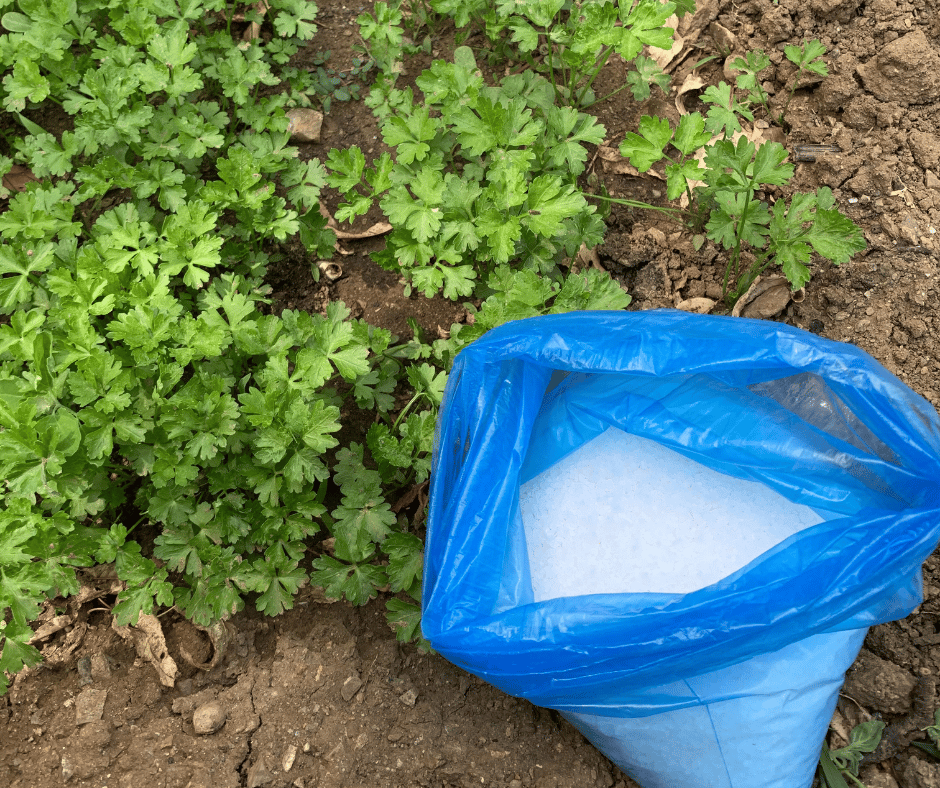
If your plants are leafy but not blooming, a magnesium boost may tip the balance. Magnesium plays a crucial role in flower formation and development.
Mix 1 tablespoon of Epsom salt per gallon of water and spray it directly on flowering plants every other week.
You’ll notice improved bud development, more blossoms, and vibrant colors – especially in roses, petunias, and marigolds.
Epsom salt isn’t a miracle cure – but it is one of the most versatile, inexpensive, and effective tools for every gardener.
From restoring lush green leaves to enhancing fruit flavor, controlling pests, and improving bloom production, magnesium sulfate works wonders when used properly.