Growing vegetables vertically is one of the smartest and most space-efficient methods for cultivating a productive garden – especially if you have limited square footage.
Whether you’re working with a small backyard, balcony, rooftop, or patio, vertical gardening allows you to grow an abundance of healthy, homegrown produce without monopolizing ground space.
By training vegetables to climb structures like trellises, cages, poles, or pergolas, you can take advantage of vertical real estate, improve airflow, reduce pest exposure, and make harvesting easier and cleaner.
In this detailed guide, we’ll explore 14 easy-to-grow climbing vegetables that thrive with vertical support.
These plants not only look beautiful as they climb but will also reward you with fresh, flavorful harvests from spring to fall.
Why Grow Climbing Vegetables?
- Maximize small spaces: Perfect for urban gardens, balconies, or container growing
- Increase yields: Healthy vertical plants often produce more fruit
- Reduce disease risk: Better airflow means less fungal disease
- Ease of harvesting: No bending required!
- Cleaner produce: Fruits stay off the soil and ripen evenly
Even if you don’t have a traditional garden, a vertical garden setup with trellises, stakes, or cages can be installed against fences, on balconies, or in containers.
Let’s dive into 14 climbing or vining vegetables you can grow vertically with great success:
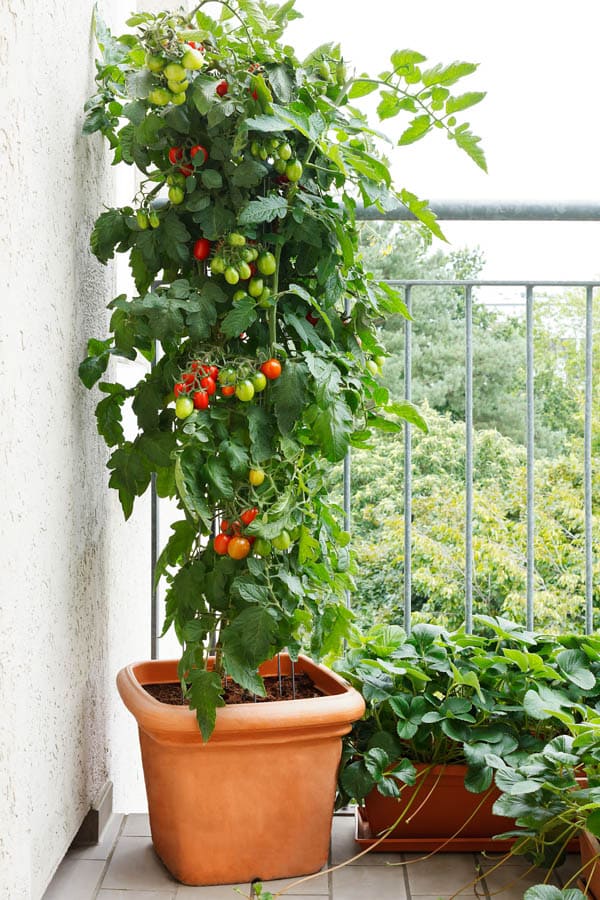
1. Tomatoes (Indeterminate Varieties)
Tomatoes are a vertical garden favorite. Indeterminate varieties continue growing and producing all season long when trained on cages, trellises, or tall stakes.
Tips:
- Use tomato cages or vertical strings in containers
- Prune suckers regularly to improve airflow and productivity
- Choose varieties like ‘Sweet 100’, ‘Brandywine’, or ‘Sun Gold’
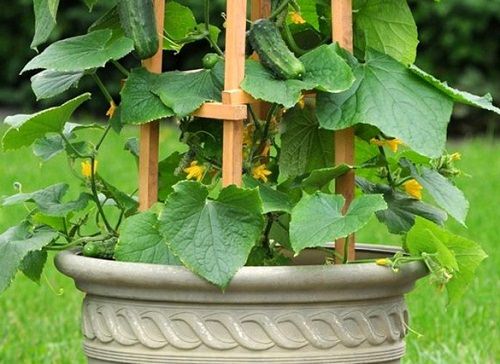
2. Cucumbers
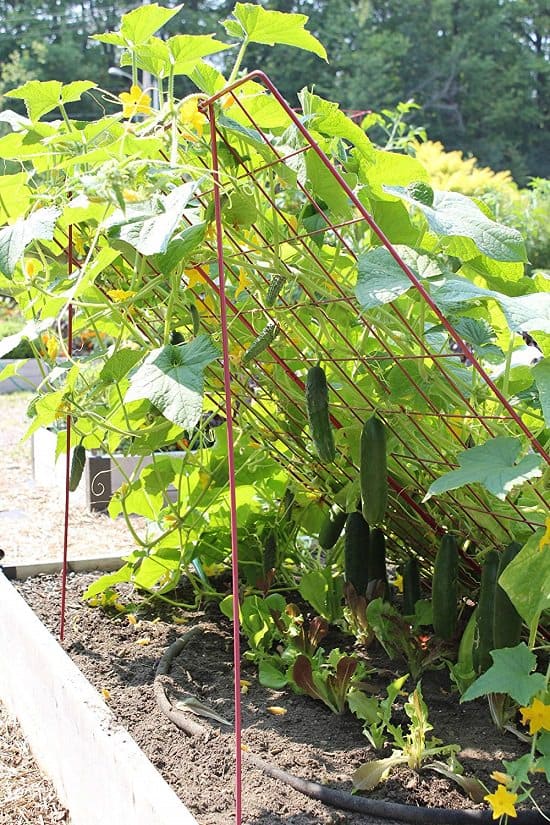
Cucumbers grow rapidly and can easily be trained to climb trellises or netting. Growing them vertically keeps fruits straighter and cleaner.
Tips:
- Use netting or an A-frame trellis for easy support
- Harvest regularly to encourage continued production
- Pick varieties like ‘Marketmore’, ‘Straight Eight’, or ‘Lemon’ cucumber
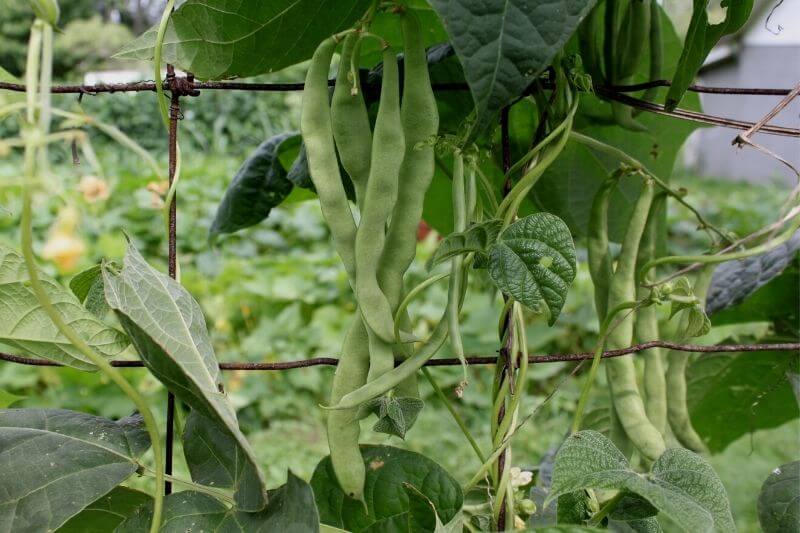
3. Pole Beans
Pole beans are one of the easiest vertical vegetables. They grow fast, produce for weeks, and require minimal care once climbing.
Tips:
- Use bamboo teepees or vertical poles
- Beans naturally wrap around supports
- Try ‘Kentucky Wonder’, ‘Blue Lake’, or scarlet runner beans
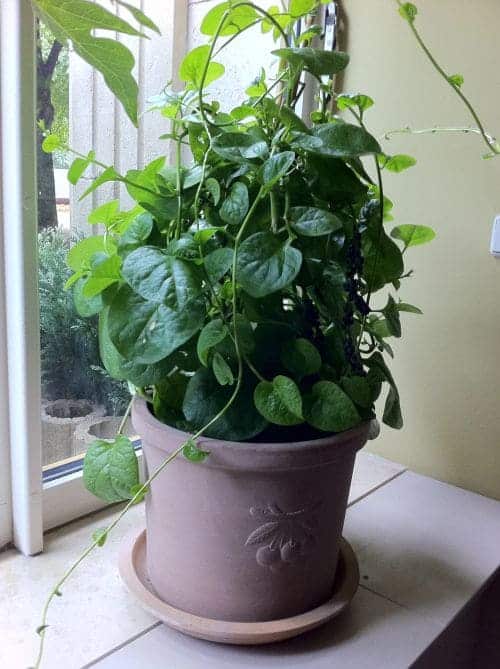
4. Malabar Spinach
This tropical vining leafy green thrives in heat and humidity. Its thick leaves can be eaten raw or cooked like spinach.
Tips:
- Start from seeds or cuttings
- Needs strong vertical support
- Fast-growing and ornamental
5. Nasturtiums
Though often grown for flowers, nasturtiums have edible leaves and blooms. They climb easily and double as companion plants.
Tips:
- Use as edible ground cover or train on a small trellis
- Attracts beneficial insects and repels pests
- Great for balconies and railings

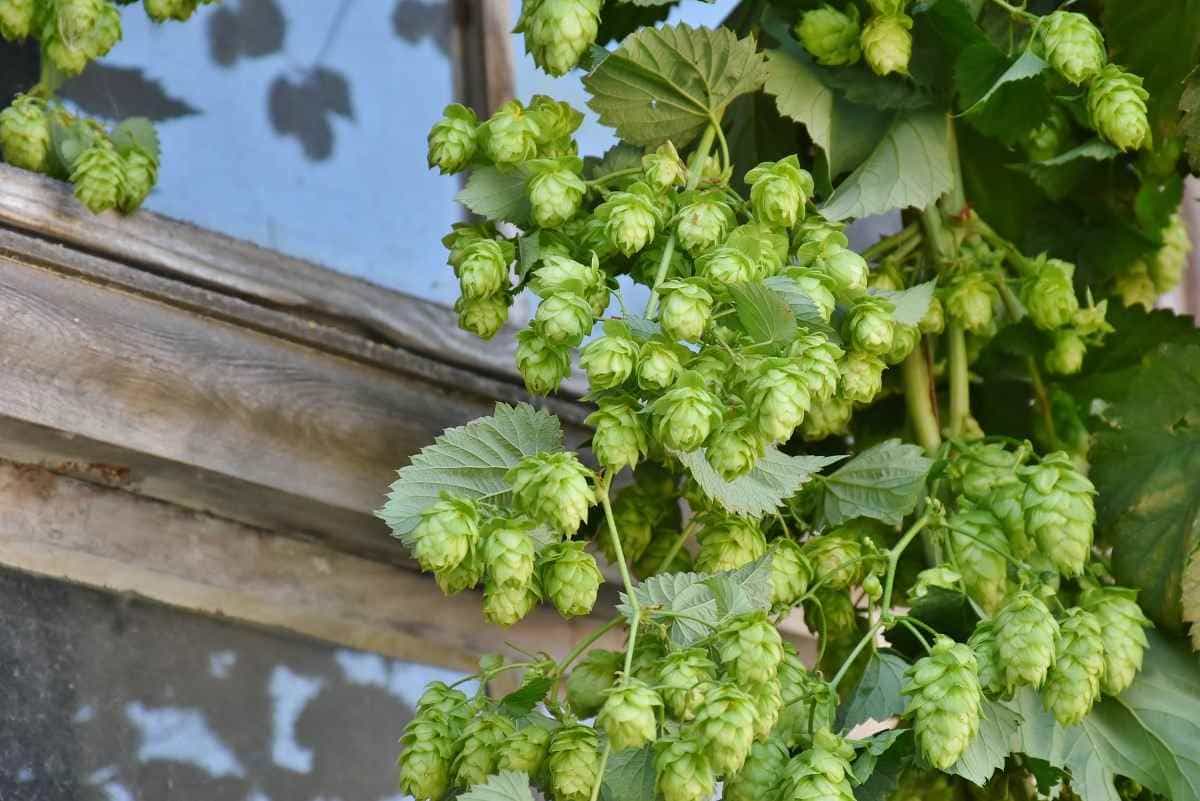
6. Hops (Humulus lupulus)
Used in brewing beer, hops are vigorous vines with ornamental appeal. Even non-brewers can grow hops for their impressive size and foliage.
Tips:
- Provide tall support like pergolas or wire guides
- Prune to manage aggressive growth
- Needs full sun and well-drained soil
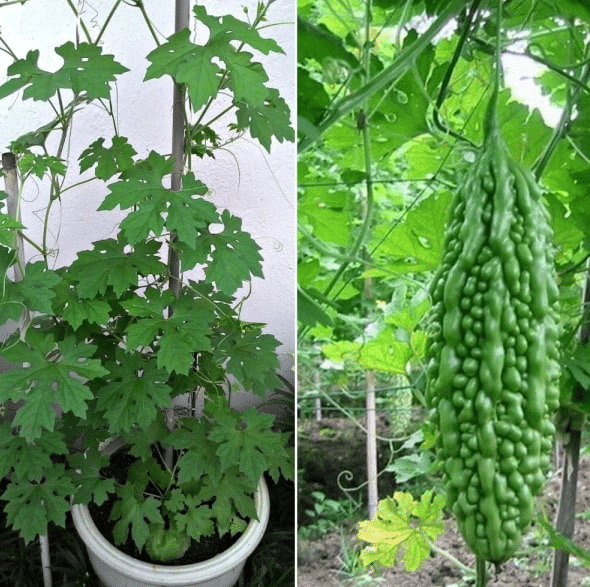
7. Bitter Melon (Momordica charantia)
This tropical vine produces uniquely shaped fruits with numerous health benefits. It’s commonly used in Asian and Caribbean cuisine.
Tips:
- Grows best with trellising or over arbors
- Thrives in warm, humid conditions
- Harvest young for best flavor
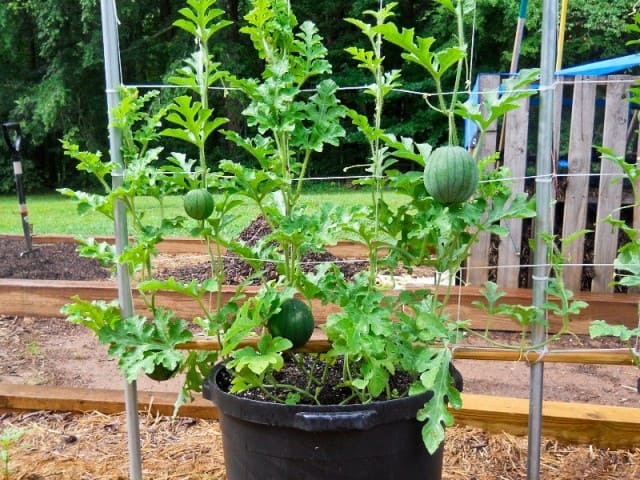
8. Melons and Watermelons
While usually grown sprawling, compact or mini melon varieties can be grown vertically with slings to support the fruit.
Tips:
- Use mesh slings or hammocks for heavier fruit
- Choose smaller cultivars like ‘Sugar Baby’ watermelon or ‘Minnesota Midget’ cantaloupe
- Requires strong support and full sun
9. Luffa (Loofah Gourd)
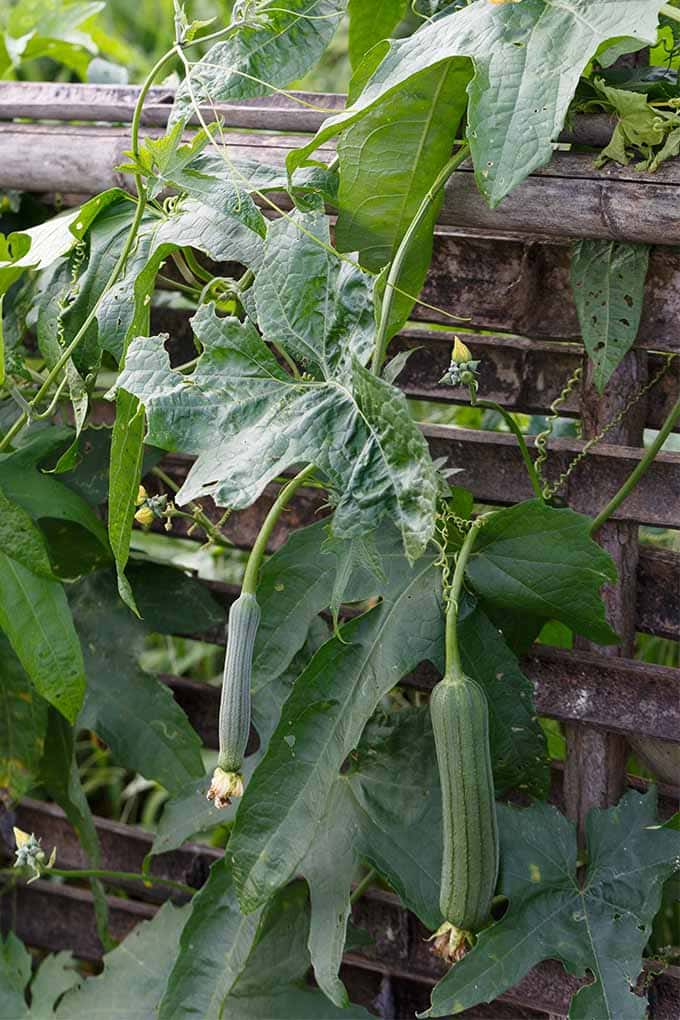
Luffa gourds are not only edible when young but also produce fibrous sponges when fully matured. A fun dual-purpose plant!
Tips:
- Needs long, warm growing season
- Strong trellis required for large fruit
- Harvest early for food or late for sponges
10. Snow Peas and Snap Peas
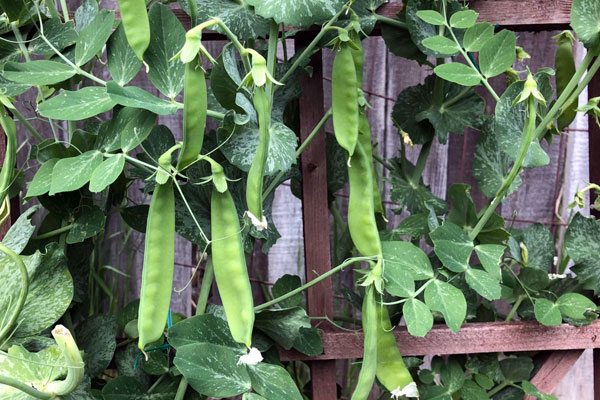
Peas are cool-weather crops that thrive in early spring or fall. They climb naturally and are incredibly productive.
Tips:
- Provide chicken wire or mesh netting
- Harvest often for best yield
- Varieties include ‘Sugar Snap’ and ‘Oregon Sugar Pod’
11. Chayote (Sechium edule)
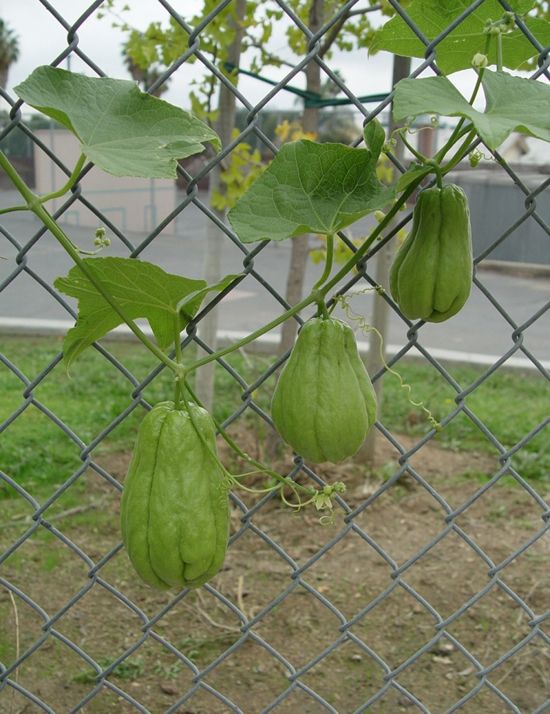
This vigorous vining vegetable resembles a wrinkled pear and offers both tender shoots and fruits for cooking.
Tips:
- Prefers warm climates and long seasons
- Use strong vertical support or arbor
- Water well and mulch to retain moisture
12. Gourds (Bottle, Snake, or Decorative)
Gourds bring ornamental interest to gardens and can be dried for crafts or storage containers.
Tips:
- Train over arches, pergolas, or fencing
- Needs 4–6 months to mature
- Use strong trellising for heavy types
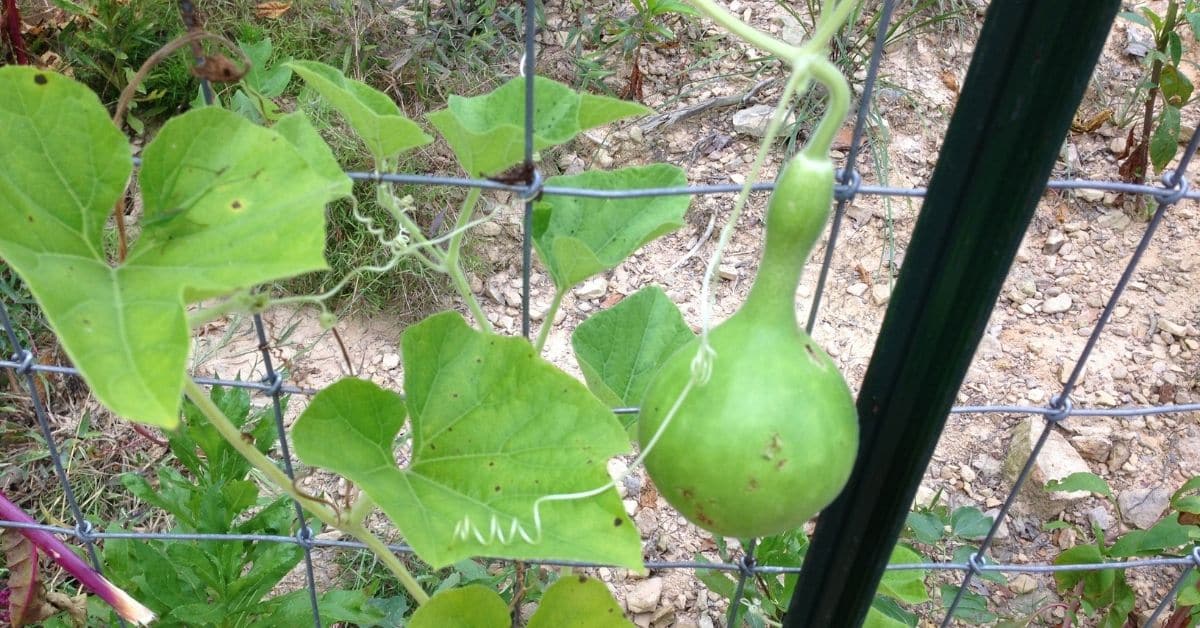
13. Perennial Cucumber (Cucumis anguria or Cyclanthera)
Often grown in tropical climates, these cucumbers produce year after year and can be trained up fences or walls.
Tips:
- Provide regular pruning to encourage yield
- Requires well-drained soil and sun
- Unique fruits with a crunchy texture
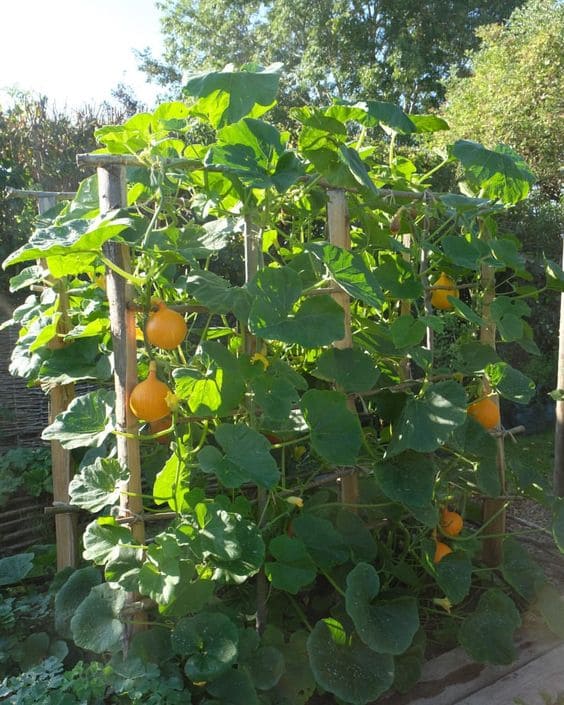
14. Pumpkins (Miniature Varieties)
Though known for sprawling, miniature pumpkin types can be grown vertically with the right support.
Tips:
- Use slings for support as fruit matures
- Great for decorative or edible use
- Varieties like ‘Jack Be Little’ are perfect for vertical growing
Vertical gardening isn’t just for ornamentals – it’s a practical and rewarding way to grow fresh, organic produce even in tight spaces.
Whether you’re maximizing a small patio, balcony, or raised bed, these 14 climbing vegetables allow you to grow up rather than out.