Most gardeners know the importance of good drainage. Whether you’re growing herbs on a sunny windowsill, caring for houseplants, or cultivating container gardens on the patio, drainage determines the health of your plants.
Too much water sitting in the soil suffocates the roots, causes rot, attracts fungus gnats, and disrupts nutrient absorption. That’s why gardeners spend money on perlite, gravel, clay pebbles, and specialty potting mixes.
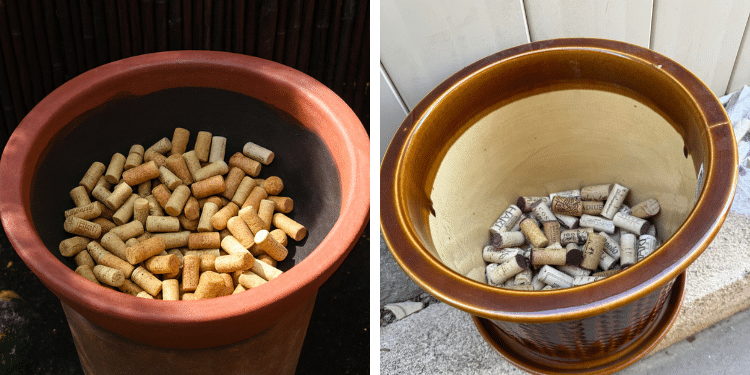
But there’s a simple, eco-friendly trick hiding in your kitchen drawer: old wine corks.
Here’s why wine corks are so beneficial for potted plants and how to use them properly.
Why Wine Corks Work: The Science Behind Better Drainage
Natural wine corks are harvested from cork oak trees. The material is lightweight, breathable, and filled with microscopic air pockets.
These tiny chambers make cork:
- water-resistant but not waterproof
- naturally absorbent enough to regulate moisture
- flexible yet supportive
- naturally antimicrobial
- biodegradable
When placed in the bottom of pots or mixed into soil, cork pieces create extra space for air and water to move. This helps prevent soggy roots and keeps the soil structure loose.
Synthetic corks do not offer the same benefits, so always check that your corks are real cork (they feel softer, lighter, and have tiny irregular grains).
1. Wine Corks Improve Drainage Without Adding Extra Weight
Traditional drainage materials like rocks, gravel, or broken pottery add considerable weight to pots. This makes potted plants harder to move, lift, or repot – especially large indoor containers.
Wine corks, on the other hand:
- are extremely lightweight
- improve drainage instantly
- don’t compact over time
- create air channels beneath the soil
This makes them ideal for balconies, indoor planters, hanging pots, and windowsill plants where you want better drainage without heavy materials.
2. Cork Helps Prevent Root Rot
Root rot is one of the most common killers of indoor plants. It happens when water collects at the bottom of the pot or soil stays wet for too long.
Cork pieces naturally lift the soil and create airflow channels so excess water can drain away.
Because cork is porous, it helps:
- wick moisture away from sensitive roots
- reduce stagnant water
- discourage fungal growth
- allow roots to breathe
This is especially helpful for plants prone to moisture issues, such as:
- succulents
- herbs
- snake plants
- philodendrons
- fiddle leaf figs
Anything that hates wet feet will benefit from cork.
3. Cork Creates Better Aeration for the Roots
Healthy roots need oxygen just as much as they need water. Cork has a unique ability to hold tiny air pockets that promote aeration.
When mixed with potting soil, cork pieces:
- prevent compaction
- allow more oxygen to reach the roots
- encourage stronger, deeper root growth
- support beneficial soil microbes
Compacted soil suffocates roots, but cork keeps the structure open and airy — even after months of watering.
4. Wine Corks Help Reduce Fungus Gnats
Fungus gnats thrive in overly moist soil. They lay eggs in the top layer of wet growing medium, and their larvae feed on organic matter and tender roots.
Using cork can help reduce fungus gnat problems because:
- cork helps soil dry more evenly
- improved drainage discourages gnat infestations
- cork surfaces are less appealing to pests
- cork can be used as a top layer mulch to block egg-laying
Crushed cork sprinkled on top of the potting mix creates a dry, unpleasant environment for gnats trying to breed.
5. Cork Acts as a Natural Mulch for Potted Plants
Instead of wood chips or pebbles, crumbled cork makes excellent top mulch in pots. It helps:
- stabilize soil temperature
- reduce moisture evaporation
- keep soil from splashing during watering
- prevent weeds in outdoor containers
- keep the soil surface cleaner
Because cork is lightweight, it’s especially useful for indoor pots where you don’t want heavy mulch pressing on delicate stems.
6. Cork Helps Balance Moisture More Evenly
Unlike plastic or ceramic drainage layers, cork absorbs a small amount of moisture before slowly releasing it back into the soil.
This keeps the potting mix from drying out too quickly but prevents excess moisture from pooling.
This slow-release action is great for:
- herbs that dry out fast
- small pots that lose water quickly
- plants exposed to sun or heaters
- gardeners who forget to water on time
Cork acts like a tiny moisture buffer the roots can rely on.
7. Cork Is Antimicrobial and Fights Mold Growth
Natural cork contains suberin, a waxy substance that prevents harmful microbes, mold, and decay. This makes cork safe for garden use, even in constantly moist environments.
This benefit is ideal for:
- humid homes
- greenhouse shelves
- moisture-prone houseplants
- kitchen herb pots
Cork lasts a long time without rotting, making it more durable than many other DIY drainage materials.
8. It’s an Eco-Friendly Upcycling Trick
Using wine corks in your plant pots is a sustainable way to recycle natural materials. Cork is biodegradable but long-lasting, meaning it enriches your garden without adding waste to landfills.
Gardeners who love eco-friendly hacks appreciate that cork:
- breaks down slowly
- supports healthy soil structure
- replaces single-use plastics
- turns household waste into garden gold
It’s one of the simplest sustainability tricks you can practice at home.
How to Use Wine Corks in Plant Pots
There are several easy ways to use wine corks for better drainage and soil health.
1. Use Whole Wine Corks at the Bottom of Pots
Place 4–8 entire corks at the bottom of a pot before adding soil. This creates a light, lifted drainage layer. Great for:
- large indoor planters
- balcony pots
- hanging baskets
Avoid overfilling the bottom – you still want room for soil.
2. Cut Corks Into Halves or Slices
Use a sharp knife to slice corks into coins or halves. This creates more surface area and improved drainage.
Perfect for:
- medium to large planters
- succulents and cacti
- moisture-sensitive plants
Sliced corks provide even aeration throughout the pot.
3. Crumble or Crush Corks and Mix Into Potting Soil
This method is ideal when you want to aerate your soil without perlite or other additives.
Mix crushed cork with soil in a ratio of: 1 part crushed cork to 3 parts soil
This keeps the soil loose, airy, and well-draining.
4. Use Crushed Cork as a Top Mulch
Cork mulch helps prevent gnats and reduces soil evaporation. Just sprinkle a thin layer on top of the soil.
Tips for Best Results
- Only use real cork, not synthetic plastic-like corks.
- Clean corks before using if they smell like wine.
- Do not use moldy, sticky, or damaged corks.
- Use corks along with a pot that has a drainage hole – cork helps, but drainage holes are essential.
- Replace cork pieces every few years as they begin to break down.
Wine corks may seem like small pieces of household waste, but in the hands of a gardener, they become powerful tools for improving plant health.
Lightweight, breathable, antimicrobial, and eco-friendly, cork pieces enhance drainage, aeration, and moisture control in potted plants.