Succulents have surged in popularity in recent years, and it’s easy to see why. Their sculptural shapes, vibrant colors, and minimal care requirements make them the perfect plant for modern homes, busy plant lovers, and those just starting their indoor gardening journey.
But among all the striking succulent varieties, one species stands out as possibly the most adorable of them all—the Dolphin Succulent, scientifically known as Senecio peregrinus.
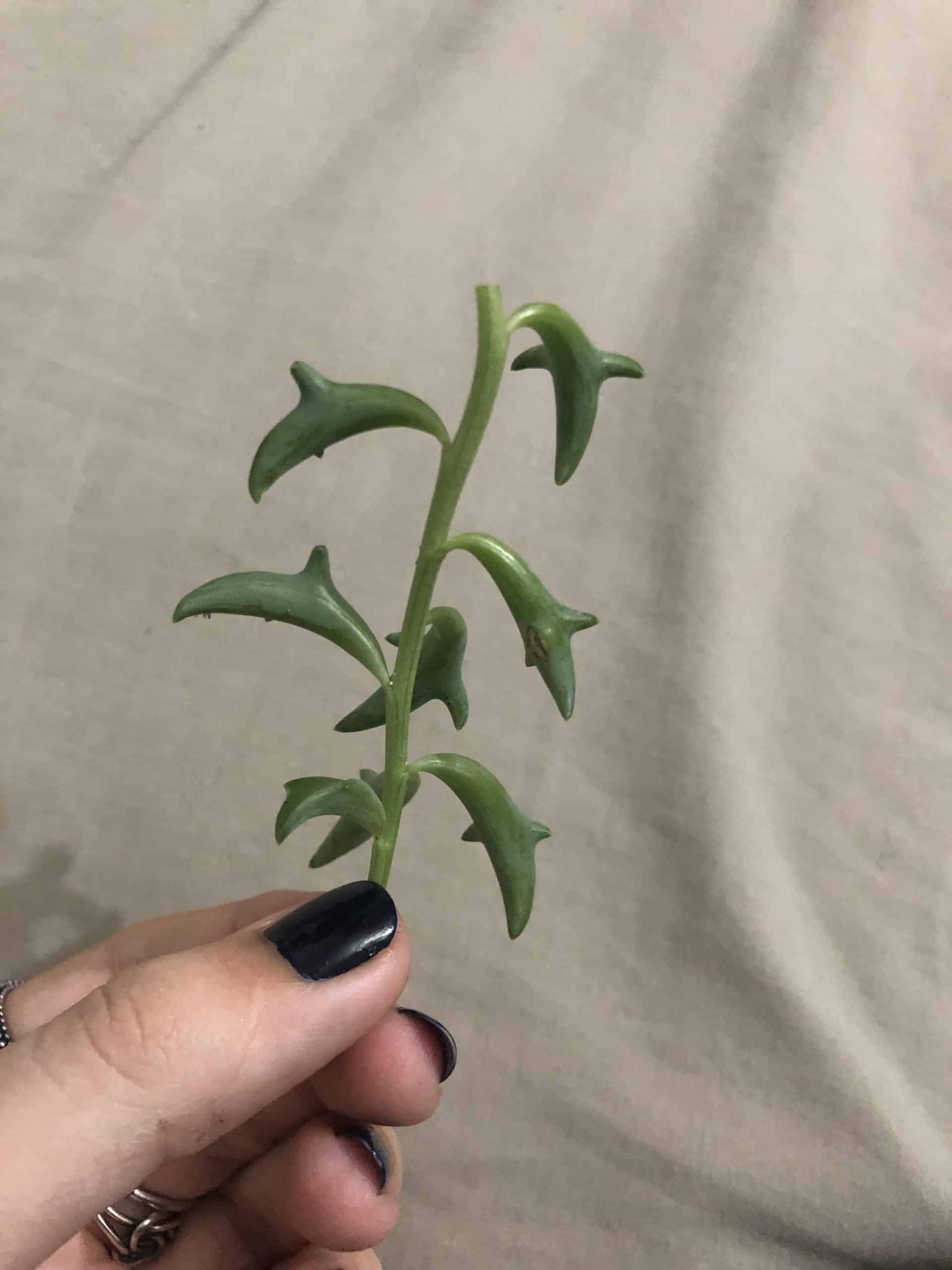
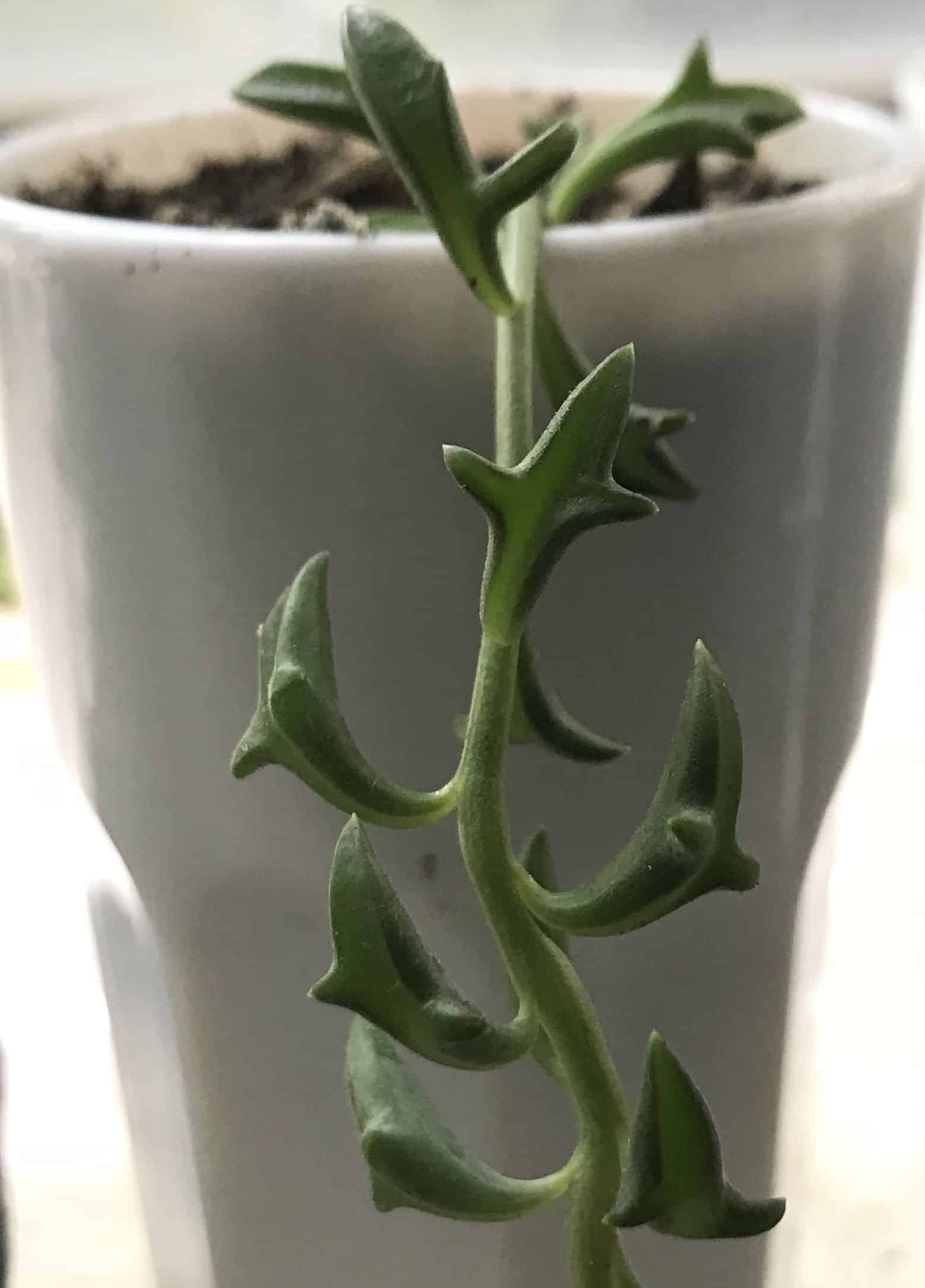
Also called the String of Dolphins, this whimsical plant gets its nickname from its leaf shape, which uncannily resembles tiny dolphins leaping out of the water.
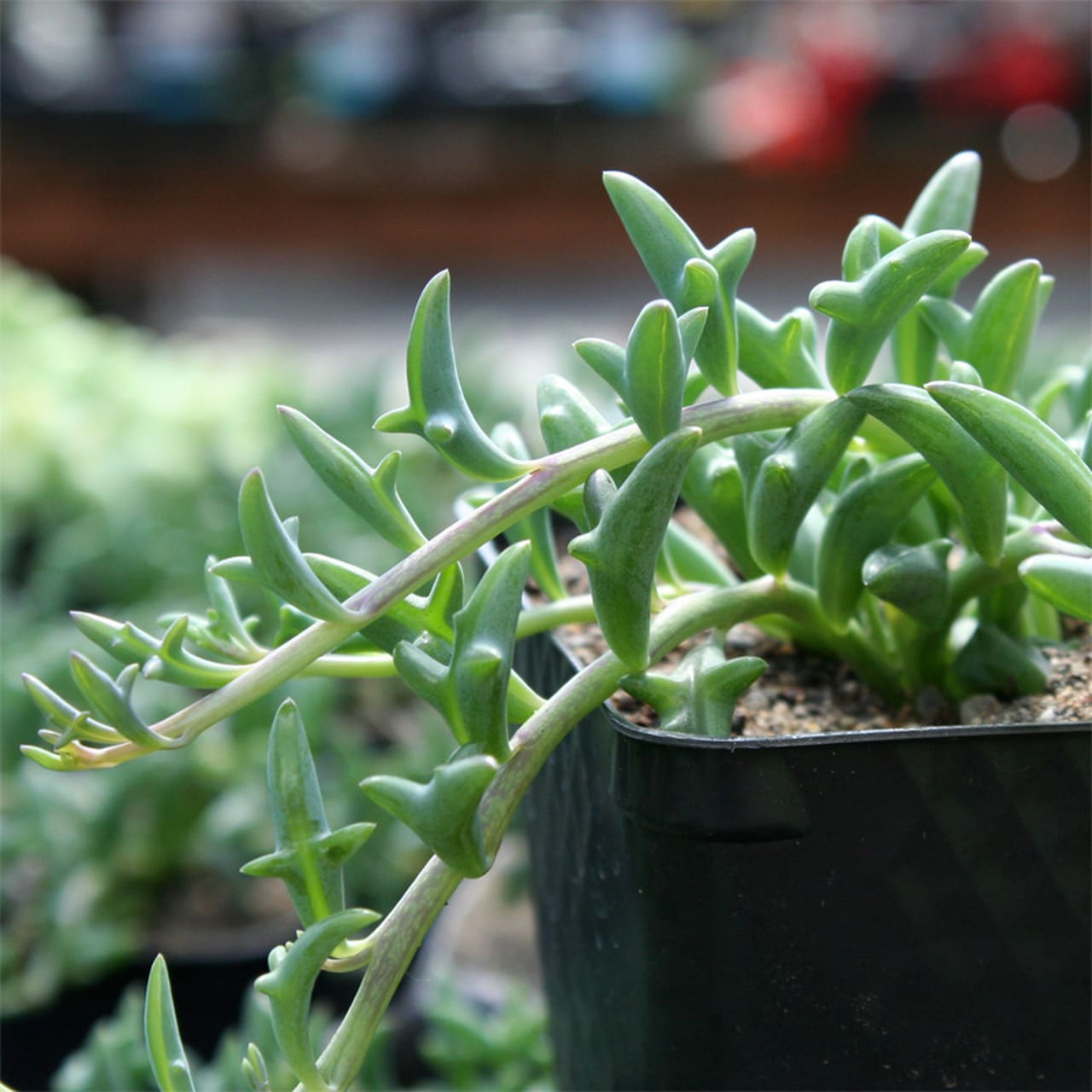
With a trailing growth habit and plump, curved leaves that mimic the silhouette of a dolphin mid-jump, this succulent is a favorite among collectors, ocean lovers, and anyone seeking a unique, conversation-starting houseplant.

What Is a Dolphin Succulent?
Senecio peregrinus is a rare hybrid succulent, created by crossing two popular plants: String of Pearls (Senecio rowleyanus) and Hot Dog Cactus (Senecio articulatus).
The result is a visually fascinating vine with rounded leaves that grow along a trailing stem, with each individual leaf looking like a tiny dolphin complete with flippers.
This plant’s novelty factor makes it especially popular in Japan, where plant lovers adore its marine-themed appearance.
It has gained a cult following among succulent enthusiasts across the world, but it can still be hard to find in local nurseries. Fortunately, many online specialty plant retailers now carry it.
Why Dolphin Succulents Are So Popular
- Unique Leaf Shape: The dolphin-shaped leaves are incredibly charming and unlike any other plant.
- Low Maintenance: Like other succulents, they are drought-tolerant and easy to care for.
- Great for Small Spaces: Perfect for hanging baskets, trailing over shelves, or window ledges.
- Petite Blooms: Mature plants can produce small, white or light pink, star-like flowers.
- Instagram-Worthy: Their quirky appearance makes them ideal for plant photos and décor inspiration.
How to Grow a Dolphin Succulent
While dolphin succulents are fairly low-maintenance, they do have specific needs to thrive and keep their distinctive shape and vibrant green color.
1. Choose the Right Soil
These plants are succulents, which means they are adapted to dry, sandy soils that drain quickly.
- Use a cactus or succulent potting mix.
- Enhance drainage by adding perlite, coarse sand, or pumice.
- Avoid moisture-retaining soils or heavy loam, which can cause root rot.
2. Select a Proper Container
Dolphin succulents prefer slightly crowded conditions. Choose a pot that’s just slightly larger than the root system, and make sure it has drainage holes.
Tip: Hanging baskets are ideal because they showcase the trailing vines beautifully.
3. Plant Placement & Light Requirements
These plants love bright, indirect sunlight. Too much direct sun may scorch their leaves, while too little light can cause them to become leggy and lose their dolphin shape.
- Indoors: Place near an east or west-facing window.
- Outdoors: Provide partial shade, especially in hot climates.
Watering Guide for Dolphin Succulents
Watering is where most problems occur. Although these plants are succulents, they appreciate some consistent moisture—but only at the right times.
- Growing season (spring/summer): Water once a week or when the top 1–2 inches of soil is dry.
- Dormant season (fall/winter): Water once every 3–4 weeks or when soil is completely dry.
Always avoid letting the plant sit in standing water, as this leads to root rot. Yellowing, mushy leaves are a common sign of overwatering.
Temperature and Humidity
Dolphin succulents prefer a warm, dry environment and have specific temperature needs depending on the season.
- Ideal growing temperature: 70–75°F (21–24°C)
- Dormant season temperature: 50–55°F (10–13°C)
- Humidity: Low to moderate humidity is best. Avoid placing in humid areas like bathrooms.
Tip: If your home is very dry, occasional misting during active growth periods may help, but it’s usually unnecessary.
Fertilizing
Feed your dolphin succulent during the active growing season (spring through early fall) with a diluted, balanced liquid fertilizer (10-10-10 or similar). Once a month is typically sufficient.
- Skip fertilizing during the winter dormancy period.
- Avoid over-fertilizing, as this can cause leggy growth and reduced leaf shape.
Pruning and Propagation
As the plant matures, its vines may get long and scraggly. To encourage bushier growth:
- Prune lightly to maintain shape and encourage branching.
- Cuttings can be used for propagation.
How to propagate:
-
Take a 4–6 inch stem cutting with several leaf nodes.
-
Let the cut end callous over for 1–2 days.
-
Plant in a moist, well-draining mix.
-
Keep in a warm, bright area and mist lightly until roots develop.
Common Problems and Pests
Pests to watch out for:
- Spider mites
- Mealybugs
Treat infestations with insecticidal soap or neem oil.
Diseases:
- Root rot – caused by overwatering or poor drainage.
- Fungal issues – caused by excess moisture and humidity.
Proper watering and airflow are the best prevention methods.
Styling Ideas: How to Decorate with Dolphin Succulents
- Coastal-themed displays: Pair with seashells, sand, and driftwood for an ocean vibe.
- Hanging baskets: Let the trailing vines cascade for dramatic effect.
- Succulent bowls: Mix with other trailing succulents like String of Pearls or Burro’s Tail.
- Desk plant: Their compact size makes them perfect for office or study spaces.
If you’re looking to add something fun, unique, and low-maintenance to your indoor garden, the dolphin succulent is an excellent choice.
With proper care, this rare beauty will continue to delight you with its playful, dolphin-shaped leaves and charming trailing habit.
Whether you’re an experienced plant parent or a succulent beginner, this plant brings a bit of whimsy and wonder to any space. Just remember: good drainage, plenty of light, and a little love go a long way.