If you want stronger plants, faster growth, and better yields without complicated routines, there’s one simple step that makes a noticeable difference – mulching your garden in May.
It doesn’t look dramatic. It doesn’t require expensive tools. But this single action quietly improves almost every condition your plants depend on: moisture, temperature, soil life, and root stability.
When done at the right time, it sets your garden up for success not just in spring, but throughout the entire growing season.
Why May Is the Perfect Time to Mulch
Timing matters in gardening, and May is a turning point.
By now:
- Soil has warmed enough to support active growth
- Plants are beginning to establish roots
- Temperatures are rising, increasing moisture loss
If you mulch too early, you risk trapping cold in the soil and slowing root activity. Too late, and your plants may already be stressed from heat, weeds, or uneven moisture.
Mulching in May strikes the perfect balance. The soil is warm, plants are actively growing, and you can lock in ideal conditions before summer intensifies.
What Mulch Actually Does (And Why It Speeds Growth)
Mulch is more than just a layer of material on top of the soil. It acts as a protective system that stabilizes the environment around plant roots.
Without mulch, soil is exposed to:
- Direct sun, which dries it out quickly
- Temperature swings between day and night
- Compaction from rain or watering
- Weed competition
With mulch, everything changes.
The soil stays evenly moist, temperatures remain stable, and roots can grow without stress. Plants no longer need to constantly adapt to changing conditions – they can focus on growing.
And when plants focus on growth, they grow faster.
The Moisture Advantage: Consistent Water Means Faster Growth
Water is one of the biggest factors in plant development.
When soil dries out quickly, plants slow down. Roots struggle to absorb nutrients, leaves wilt, and growth becomes uneven.
Mulch acts like a barrier, reducing evaporation from the soil surface. Instead of water disappearing within hours, it stays available to the plant for longer periods.
This consistency is key.
Plants that receive steady moisture:
- Grow more evenly
- Develop stronger roots
- Produce more leaves and flowers
Instead of cycles of stress and recovery, they remain in a continuous growth phase.
Temperature Control: Keeping Roots in the Comfort Zone
Roots are highly sensitive to temperature.
In exposed soil, temperatures can rise quickly during the day and drop just as fast at night. These fluctuations force the plant to constantly adjust, slowing down development.
Mulch insulates the soil.
It keeps it cooler during hot days and warmer during cooler nights. This creates a stable environment where roots can function efficiently.
When roots are comfortable, they absorb nutrients more effectively – and this directly translates into faster, healthier growth above ground.
Weed Control: Removing Hidden Competition
Weeds don’t just take up space – they compete directly with your plants for water, nutrients, and light.
In early summer, weeds can grow aggressively, often outpacing your crops.
Mulch blocks sunlight from reaching weed seeds, preventing them from germinating. This reduces competition without the need for constant weeding.
When plants don’t have to compete:
- They access more nutrients
- They retain more water
- They grow stronger and faster
This is one of the simplest ways to give your plants an advantage.
Soil Health: Feeding the Ground That Feeds Your Plants
Organic mulches do more than protect – they improve the soil over time.
As materials like straw, leaves, or compost break down, they add organic matter to the soil. This enhances its structure, making it easier for roots to expand.
It also supports beneficial microorganisms, which help convert nutrients into forms that plants can absorb.
Healthy soil is alive. And when soil life thrives, plant growth becomes more efficient and sustainable.
Choosing the Right Mulch for Your Garden
Different materials offer slightly different benefits, but the goal is the same – protection and stability.
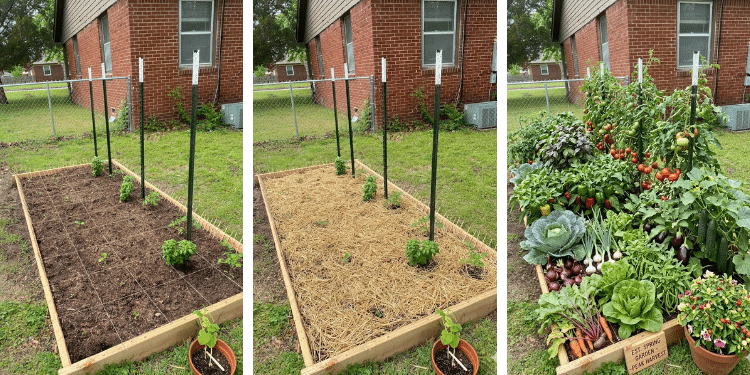
Straw is one of the most popular choices. It’s lightweight, easy to spread, and excellent for vegetable gardens.
Dried leaves are another great option, especially if you want to recycle natural materials from your yard.
Compost works as both mulch and fertilizer, enriching the soil while protecting it. Wood chips are more commonly used around trees and shrubs, where they provide long-lasting coverage.
The best choice depends on your garden, but any organic mulch will improve conditions significantly.
How to Apply Mulch the Right Way
Mulching is simple, but doing it correctly makes a difference.
Start by clearing the area around your plants. Remove weeds and loosen the soil slightly.
Then apply a layer of mulch about 5–8 cm thick. This is enough to block light and retain moisture without suffocating the soil.
Keep a small gap around the base of each plant. This prevents excess moisture from building up around the stem, which can lead to rot.
Once applied, water the area lightly to help the mulch settle into place.
What Happens After You Mulch
The effects of mulching are not always immediate, but they build quickly.
Within days, you’ll notice the soil staying moist for longer. Plants may appear more stable and less stressed during hot weather.
Within weeks, growth becomes more consistent. Leaves look healthier, and plants begin to expand more rapidly.
As the season progresses, the benefits compound. Plants that started strong continue growing strong.
Why This One Step Changes the Entire Season
Mulching works because it addresses multiple factors at once.
Instead of adjusting watering, fighting weeds, and trying to stabilize soil conditions separately, mulch does all of it in one step.
It simplifies your routine while improving results. This is why experienced gardeners often say that mulching is not optional – it’s essential.
Common Mistakes to Avoid
- Applying mulch too thinly reduces its effectiveness. A light layer won’t block weeds or retain moisture properly.
- Applying it too thickly can restrict airflow and trap excess moisture.
- Another mistake is placing mulch directly against plant stems. This creates conditions where rot and pests can develop.
- Using fresh, undecomposed materials without allowing airflow can also lead to issues. Keeping the balance right ensures the best results.
If you’re looking for a simple way to help your plants grow faster and stay healthier all season, mulching in May is one of the most effective steps you can take.
It creates a stable environment, supports root development, reduces stress, and improves soil over time.