As the temperatures drop and the days grow shorter, many gardens begin to fade into a quiet slumber. But that doesn’t mean your landscape has to go dull.
Cool-season annual flowers offer an incredible opportunity to inject color, vibrance, and life into your outdoor space – even when the weather turns chilly.
These hardy beauties not only brighten landscapes in fall, winter, and early spring, but they also support pollinators, create eye-catching displays, and thrive when most other flowers can’t.
What Are Annual Flowers?
Annuals are plants that complete their entire lifecycle – sprouting, blooming, seeding, and dying – in a single growing season.
Unlike perennials, which return every year, and biennials, which bloom in their second year, annual flowers are designed for intensity rather than longevity.
They tend to grow quickly, bloom heavily, and then fade out. But what they lack in permanence, they make up for in vivid color and seasonal flexibility.
Gardeners love them because:
- You can easily swap them out each season for a fresh look
- Many bloom for weeks or even months
- They fill in gaps in perennial beds or container arrangements
Why Choose Cool-Season Annuals?
While most people associate flowering annuals with spring and summer, some of the most rewarding blooms come during the cooler months.
Cool-season annuals are uniquely adapted to grow and flower when the temperatures dip.
They are often hardy enough to withstand frost, and in some climates, they can even bloom through the winter.
Benefits of Cool-Season Annuals:
- Extend the color in your garden when most plants go dormant
- Thrive in mild winters and shoulder seasons
- Require less watering than summer plants due to cooler weather
- Attract pollinators when little else is blooming
- Provide color for holiday curb appeal and early spring refreshment
Whether you’re gardening in the north, south, or temperate regions, there are cool-season flowers that will work beautifully in your space.
8 Best Cool-Season Annual Flowers to Grow
These annuals are among the top performers in fall and early spring gardens. Most are easy to grow, resilient to frost, and bring waves of color when you need it most.
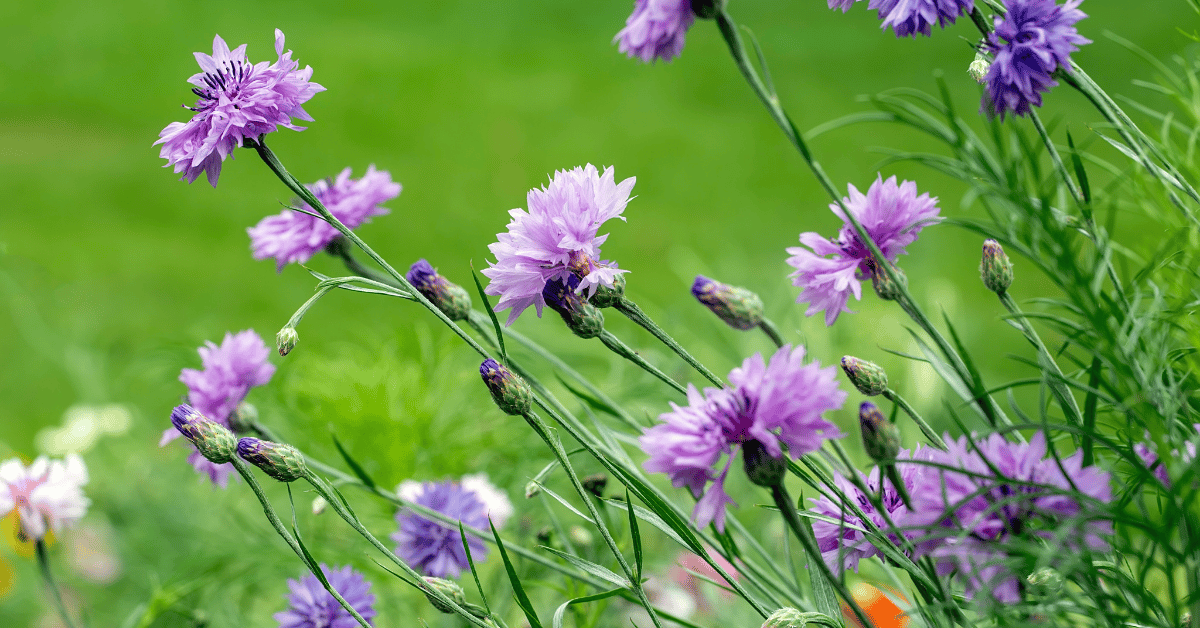
1. Bachelor’s Buttons (Centaurea cyanus)
- Height: 1 to 3 feet
- Bloom Time: Late spring into early summer
- Colors: Blue, pink, white, purple
Bachelor’s Buttons, also known as cornflowers, are cold-tolerant and ideal for early planting. Their delicate button-shaped blooms and gray-green foliage are a hit with pollinators like bees and butterflies.
Great For: Borders, cottage gardens, and pollinator plots.
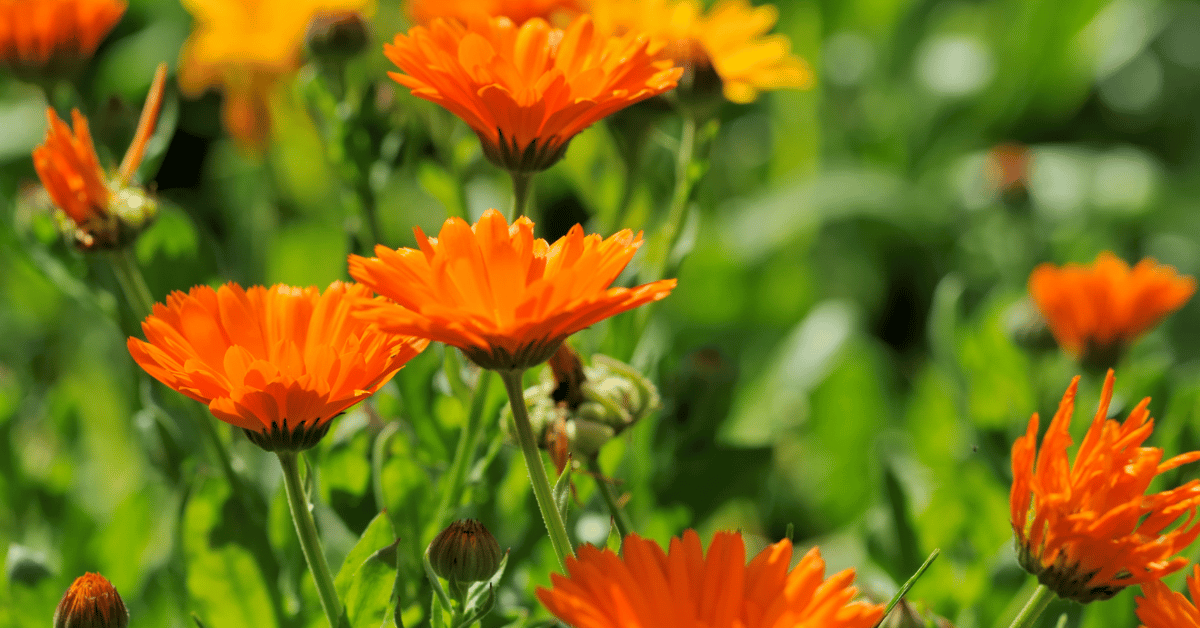
2. Pot Marigold (Calendula officinalis)
- Height: Up to 30 inches
- Bloom Time: Fall through early spring
- Colors: Yellow, orange, peach
Calendula brings warm golden hues to your garden during the cool season. Its edible petals are often used in salads, teas, and herbal salves.
Fun Fact: Calendula has been used for centuries for its anti-inflammatory and healing properties.
Great For: Edible gardens, raised beds, and herbal borders.
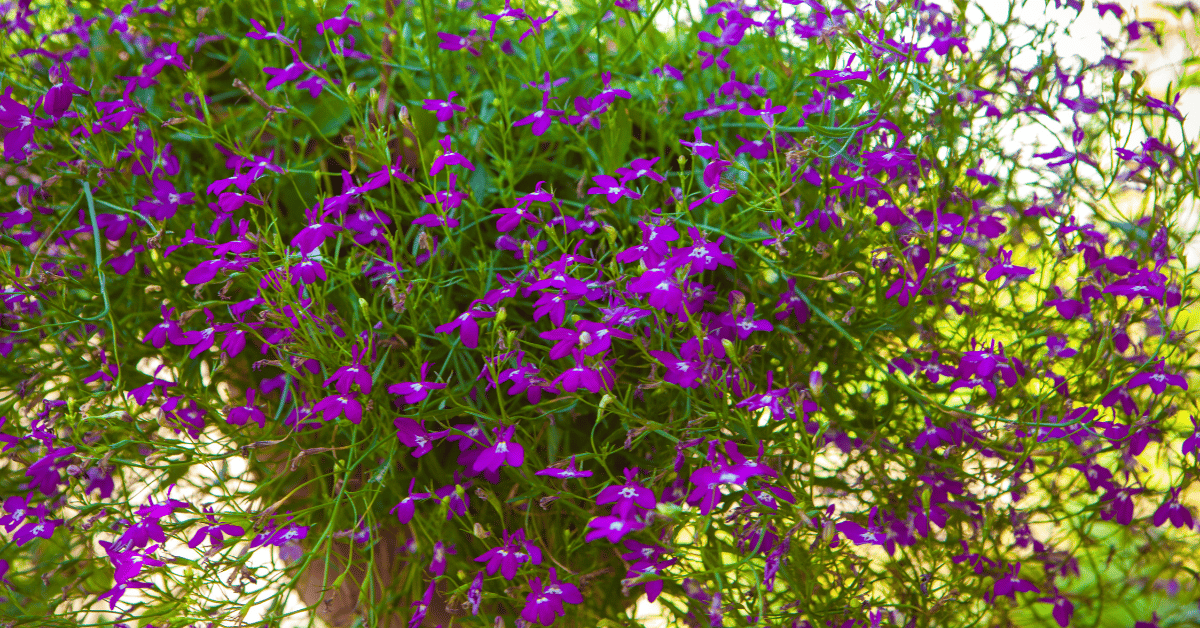
3. Lobelia (Lobelia erinus)
- Height: 4 to 6 inches
- Bloom Time: Fall to early winter
- Colors: Blue, white, pink, lavender
With its compact size and trailing habit, lobelia makes a fantastic spiller plant for containers and hanging baskets. It thrives in cooler temperatures and adds bold color to the garden’s edge.
Great For: Window boxes, planters, and border edging.
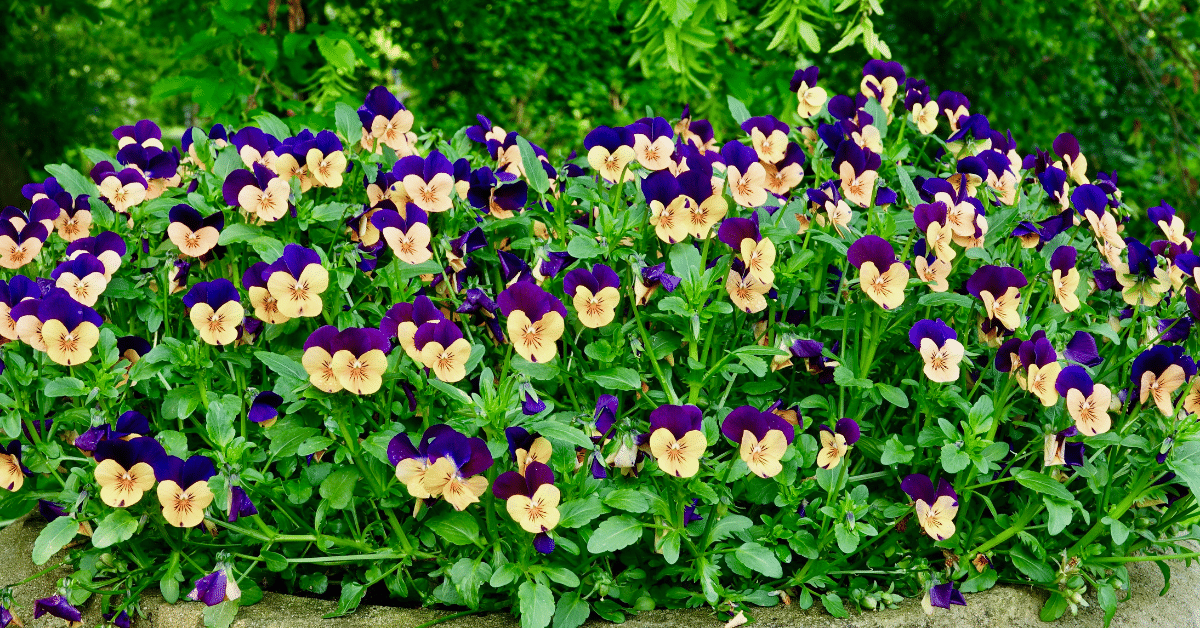
4. Violas and Pansies (Viola tricolor, V. x wittrockiana)
- Height: 4 to 8 inches
- Bloom Time: Fall through spring
- Colors: Virtually every color
These cheerful flowers are cold-hardy champions, capable of blooming through light snow and frost. Violas produce smaller but more prolific blooms, while pansies offer large, bold-faced flowers in brilliant hues.
Great For: Flower beds, winter arrangements, and underplanting bulbs.
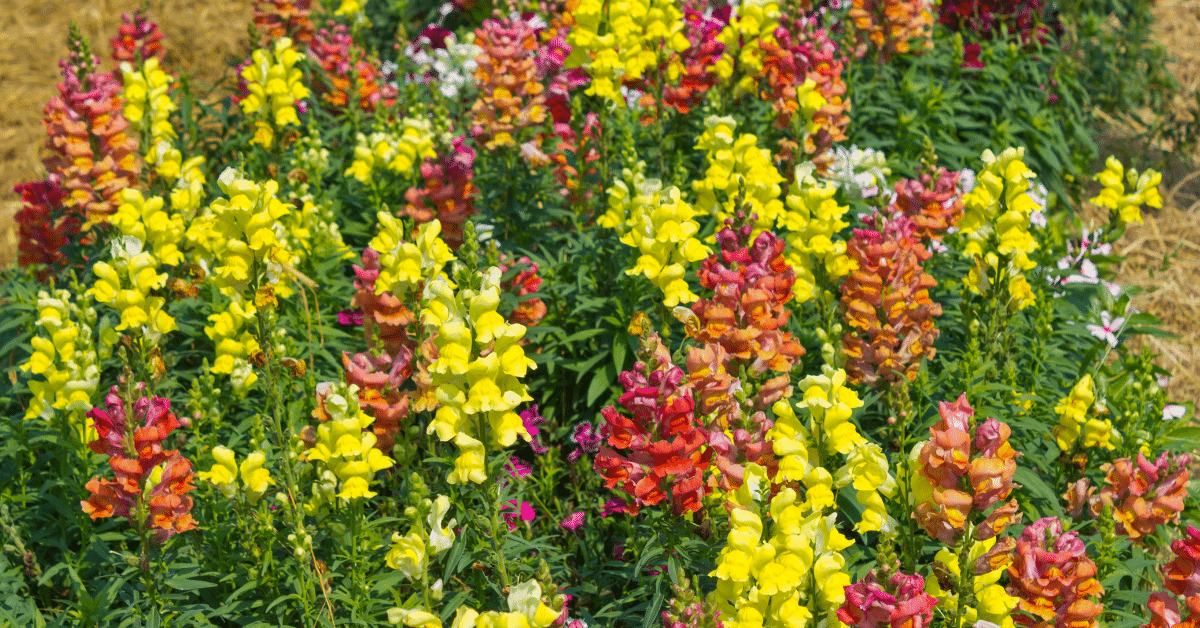
5. Snapdragons (Antirrhinum majus)
- Height: 12 to 36 inches
- Bloom Time: Fall, spring
- Colors: Red, pink, yellow, orange, white, bicolor
Snapdragons bring vertical interest and bold color to cool-season beds. They’re easy to grow, and taller varieties make excellent cut flowers. Snapdragons are moderately frost-tolerant and can even bloom through mild winters.
Great For: Back borders, mixed beds, and cut-flower gardens.
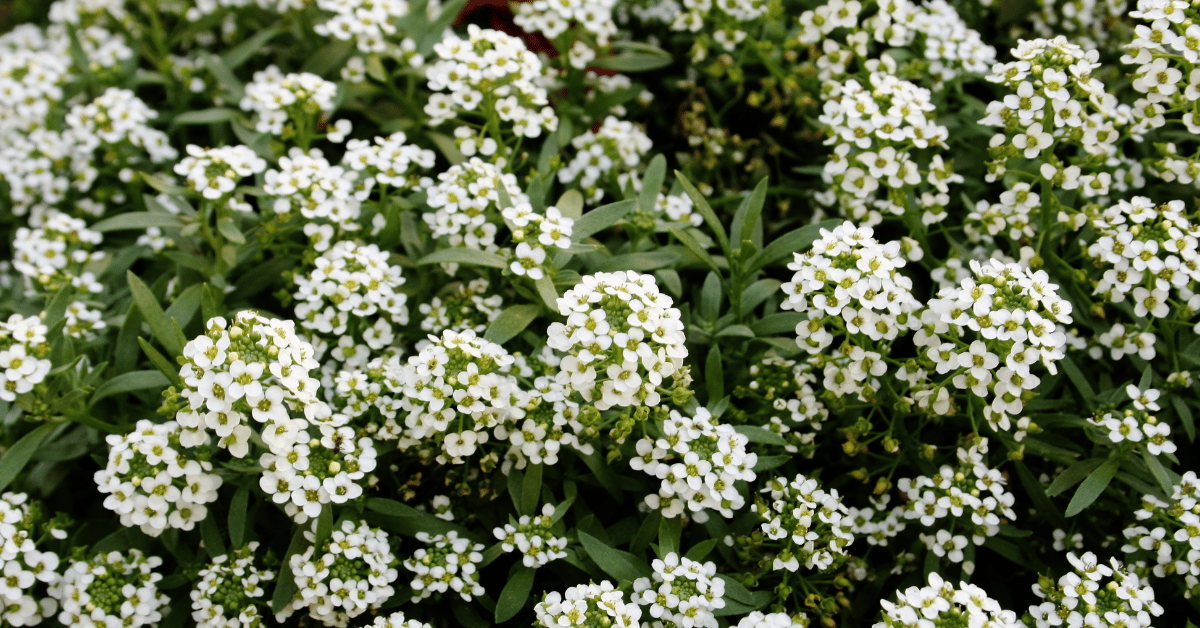
6. Sweet Alyssum (Lobularia maritima)
- Height: 4 to 8 inches
- Bloom Time: Fall through early summer
- Colors: White, purple, pink
Sweet Alyssum produces clouds of tiny blooms with a honey-like fragrance. It’s low-growing and spreads easily, making it a popular ground cover.
Great For: Pathways, edging, containers, and rock gardens.
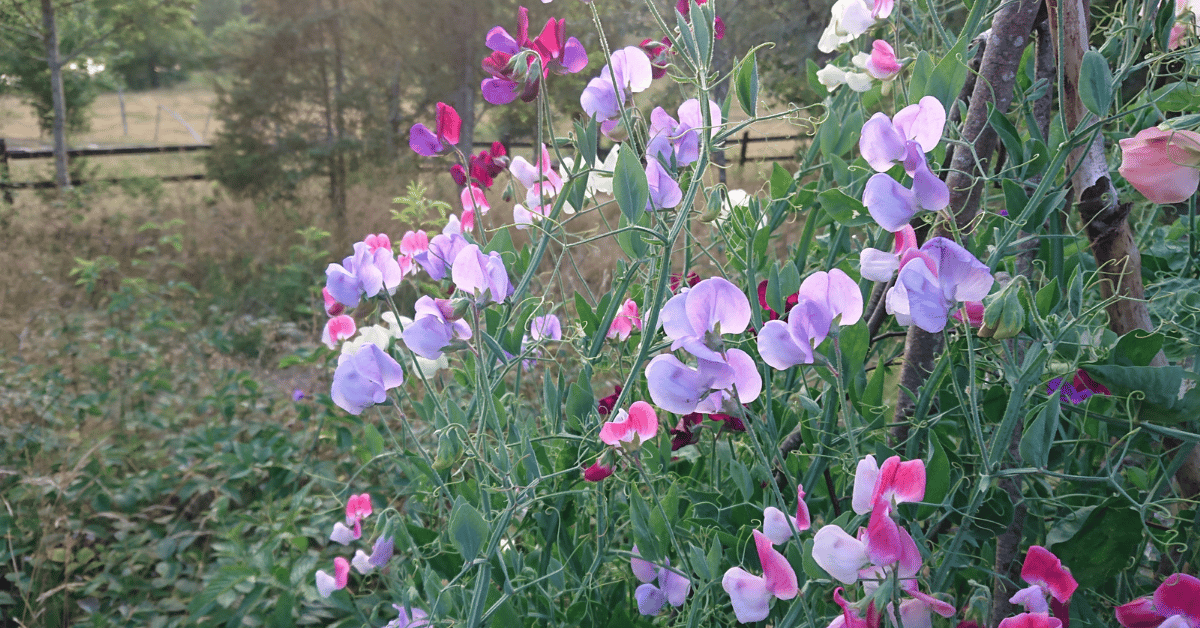
7. Sweet Peas (Lathyrus odoratus)
- Height: 3 to 8 feet
- Bloom Time: Early spring
- Colors: White, lavender, pink, red, bicolor
Sweet peas are famous for their intoxicating fragrance and climbing habit. Sow seeds in fall in mild climates or early spring in cold regions. Provide a trellis or fence to support their vertical growth.
Great For: Vertical interest, fragrant gardens, and cutting displays.
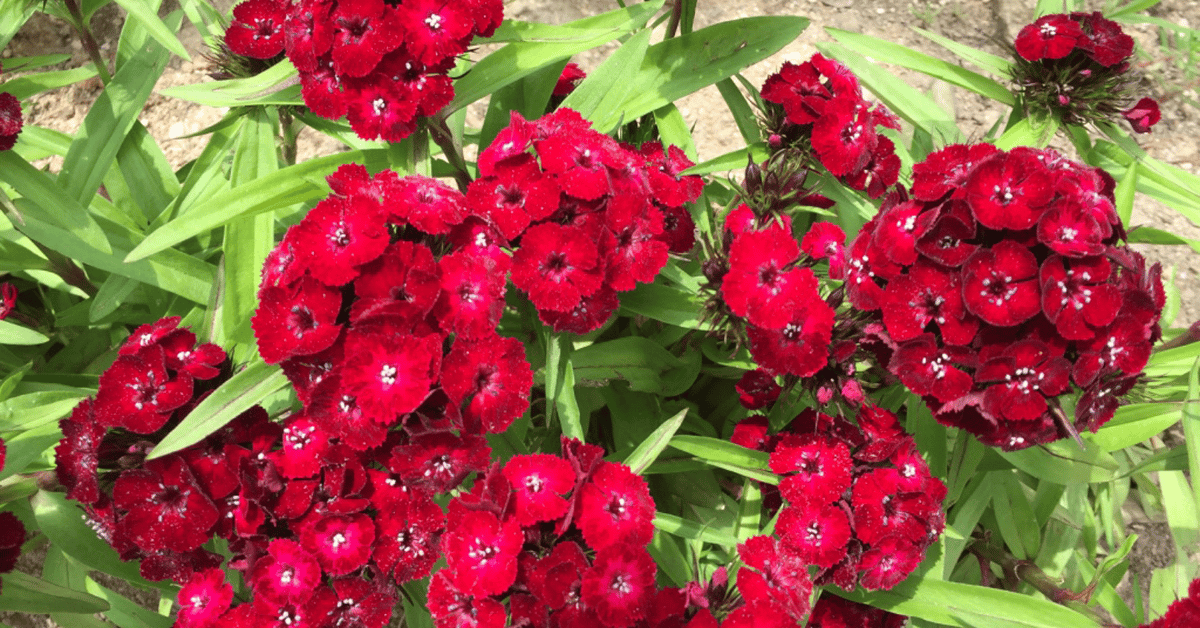
8. Sweet William (Dianthus barbatus)
- Height: 6 to 24 inches
- Bloom Time: Spring through early summer
- Colors: Pink, white, red, purple, multi-colored
Sweet William offers tight clusters of blooms in classic cottage garden colors. Their light clove-like scent and neat habit make them a favorite for borders and arrangements.
Great For: Cottage gardens, fragrant beds, and pollinator support.
Tips for Growing Cool-Season Annuals
To get the most out of these flowers, follow a few seasonal guidelines:
1. Time Your Planting
In warmer climates (zones 7–10), plant cool-season annuals in fall for color through winter and early spring.
In colder zones, sow them in late winter or early spring, once the ground is workable but before summer heat arrives.
2. Soil and Watering
Cool-weather annuals prefer well-draining soil and regular watering – but not soggy conditions. Mulching can help maintain soil temperature and moisture.
3. Sunlight Requirements
Most of these flowers love full sun (6+ hours/day), but in hotter zones, partial shade during the afternoon may help prevent stress.
4. Deadheading and Maintenance
Regularly remove spent blooms to encourage continuous flowering. Some, like snapdragons and violas, will re-bloom for longer when deadheaded.
Planting flowers isn’t just for spring and summer. Cool-season annuals offer a second act – an encore of color when most gardens begin to fade.
Whether you’re welcoming guests for the holidays, attracting pollinators in early spring, or simply craving a colorful winter view from your window, these hardy blooms deliver.