Perennials are a gardener’s best friend when it comes to saving time and energy. Unlike annuals, which require replanting every year, perennials return season after season, bringing color, structure, and character to your garden without starting from scratch each spring.
But growing perennials successfully isn’t just about planting and walking away. Without the right attention and care, these long-living plants can become underwhelming, unhealthy, or even invasive.
Worse, common beginner mistakes can turn your low-maintenance dream into a frustrating chore.
Let’s explore the most important things to keep in mind – and what to avoid – when building a flourishing perennial garden that thrives year after year.
1. Skipping the Planning Phase
Every successful garden starts with a plan. It’s not just about choosing pretty flowers – it’s about understanding how each plant fits into your space, your climate, and your lifestyle.
Start by evaluating your yard’s sunlight patterns. Some perennials thrive in full sun, others in partial shade. Next, assess your soil type: is it sandy, loamy, or heavy clay?
Different plants have different preferences, and mismatching them can lead to stunted growth or failure to bloom.
Also, think long term. That charming little echinacea or black-eyed Susan may double in size by year two. Leave enough space for mature dimensions, and group plants with similar water and light needs to make care easier.
2. Ignoring Your USDA Hardiness Zone
Perennials are often labeled with their USDA hardiness zone compatibility – and there’s a reason for that.
These zones are based on your region’s average winter temperatures and help you determine which plants can survive outdoors year-round.
Planting something that isn’t hardy in your area may give you one good season, but it won’t survive a harsh frost.
Conversely, a heat-sensitive perennial might suffer under the blazing summer sun in southern zones. Always check the label and research local garden success stories.
3. Neglecting Routine Maintenance
“Low-maintenance” doesn’t mean “no maintenance.” While perennials don’t require constant replanting, they still need regular attention.
Without watering during dry spells, occasional feeding, mulching, and weed control, even the hardiest perennials will struggle.
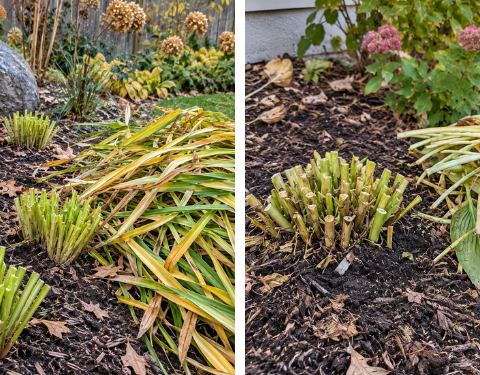
Deadheading (removing faded blooms) encourages many varieties to keep flowering. Cutting back spent foliage in the fall or early spring helps prevent disease and rejuvenates the plant.
And dividing overgrown clumps every few years keeps them vigorous and prevents crowding.
4. Overlooking Seasonal Color Transitions
Perennials come and go in waves. If you’ve only planted early-spring bloomers, your garden might look lush in April and lifeless by July.
To keep your beds colorful throughout the year, layer your choices. Start with spring bloomers like bleeding hearts and primrose, then transition into summer standouts like daylilies and bee balm.
Finish strong with fall performers such as sedum, Japanese anemone, and Russian sage.
Also consider foliage! Heuchera, hostas, and ornamental grasses can provide color and texture even when flowers fade.
5. Misusing Mulch
Mulching is one of the best things you can do for your perennials – if done right. A 2-3 inch layer of mulch conserves moisture, suppresses weeds, and regulates soil temperature.
But piling mulch too close to stems (the dreaded “mulch volcano”) traps moisture and invites rot.
Always keep mulch a couple inches away from plant crowns, and refresh it each spring or fall to keep it effective. Use organic mulch like bark chips, straw, or compost for best results.
6. Skipping Support for Tall Plants
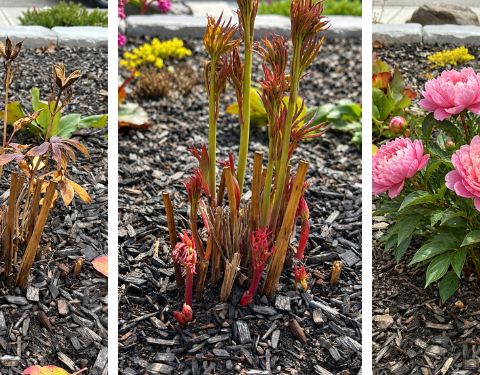
Some perennials, like peonies, delphiniums, and tall rudbeckia, simply can’t stand up on their own once heavy blooms appear. If you wait until the plant has already flopped over, it may be too late.
Install supports early in the season – before the plant grows tall – and let the stems grow through them naturally. Tomato cages, peony rings, or even a simple trio of stakes and twine can do the trick.
7. Planting Too Close Together
It’s tempting to pack young plants tightly together to make the garden look full right away – but overcrowding creates long-term issues.
Airflow gets restricted, which increases the risk of disease. Plants also compete for sunlight, nutrients, and water, reducing their vigor.
Space perennials based on their mature width. It might look sparse at first, but by year two or three, your garden will fill out beautifully – without the extra stress or constant dividing.
8. Forgetting About Pollinators
Many perennials depend on bees, butterflies, and other pollinators to thrive. A sterile garden may look neat, but it won’t be as alive or as self-sustaining.
To attract pollinators, intersperse plants like coneflowers, milkweed, lavender, bee balm, and yarrow.
Avoid heavy pesticide use, especially on blooming plants, as it can harm the very creatures you’re trying to invite.
9. Rigid Rows and Monoculture Layouts
Straight rows may look orderly, but they’re often less resilient and less interesting. Mixing heights, textures, and bloom times creates a more dynamic look and mimics the natural chaos of wild meadows.
More importantly, diversity in your planting helps reduce the spread of pests and diseases. If one variety is attacked, the others are less likely to suffer if they’re not genetically identical.
10. Planting Too Deep (or Too Shallow)
Planting depth matters. For most perennials, the crown – the place where roots meet stems – should sit just at soil level. Too deep and the plant may rot; too shallow and roots dry out.
Dig a hole twice as wide and just as deep as the root ball. Gently backfill and firm the soil, then water well. Avoid mounding soil around the stem – this traps moisture and promotes decay.
11. Misjudging Mature Size
A tiny potted plant might look modest now, but it could double or triple in size in just a season or two. Failing to plan for its full size can lead to overcrowding, shading, and forced relocation later.
Read plant tags carefully and give your perennials space to thrive long-term. Consider height, width, and the potential for spreading underground through rhizomes or roots.
12. Skipping Deadheading and Weeding
Deadheading prolongs bloom time and keeps your garden looking neat. Some perennials, like rudbeckia or coreopsis, will reward you with a second flush of flowers.
Others will simply conserve energy for root development if you remove faded flowers promptly.
Likewise, consistent weeding ensures your perennials aren’t competing with invasive species. Mulch helps suppress weeds, but hand-pulling is still essential, especially around young or delicate plants.
13. Going Too Big Too Fast
Starting small is smart. It’s easy to get carried away with springtime enthusiasm and overcrowd your space with new plants. But gardening is a long-term journey.
Try starting with just a few core perennials and expand as you gain experience. Not only is this budget-friendly, but it also lets you learn the specific needs of your site and soil before investing too much.
14. Focusing Only on Flowers
Perennials aren’t just about flowers. In fact, many varieties offer spectacular foliage, unique textures, or striking seed heads that add interest long after blooms fade.
Hostas, ornamental grasses, lamb’s ear, coral bells – these plants bring color, contrast, and character throughout the year. Mixing flower-heavy plants with dramatic foliage gives your garden a rich, layered look.
15. Overwatering or Underwatering
Watering needs vary by plant and soil type. Clay soil retains moisture longer, while sandy soil drains fast. Overwatering can suffocate roots, while underwatering weakens the plant and stunts blooms.
Drip irrigation systems or soaker hoses are ideal for consistent, efficient watering. If watering by hand, early morning is best – this allows leaves to dry quickly and reduces fungal risk.
16. Pruning at the Wrong Time
Not all perennials should be cut back in spring. Some, like lavender or Russian sage, prefer pruning after new growth emerges. Others benefit from a fall trim to reduce disease risk.
Know your plant’s blooming habits. If it flowers on old wood (last year’s growth), cutting too early may remove all the flower buds. If it blooms on new growth, spring pruning can encourage fresh flowering stems.
17. Ignoring Soil Health
Healthy soil is the invisible hero of every great garden. It holds nutrients, retains moisture, drains well, and supports root growth. Perennials are long-term tenants, so investing in good soil from the start pays off for years.
Amend heavy or depleted soils with compost, aged manure, or worm castings. Consider doing a simple soil test to check for pH imbalances or nutrient deficiencies, especially if plants seem sluggish.
Perennials reward you for your patience and care. While they may take a year or two to fully establish, their beauty, resilience, and low-maintenance nature make them the backbone of any thriving garden.
By avoiding these 17 common mistakes – and approaching each planting with a long-term mindset – you can build a garden that grows richer, fuller, and more vibrant with every season.