Once the holiday decorations come down and winter settles in, many plant lovers wonder what to do with their Christmas cactus.
The good news is that mid-winter care is crucial for keeping your plant healthy, encouraging recovery after blooming, and setting the stage for future flowers.
While the Christmas cactus is often treated like a temporary holiday plant, it is actually a long-lived houseplant that can thrive and bloom for decades with the right care.
This guide covers exactly what to do after the holidays, helping your Christmas cactus rest, recharge, and prepare for its next growth cycle.
Understanding the Post-Bloom Phase
After the Christmas cactus finishes flowering, it naturally enters a resting phase. This period is essential.
The plant has used a lot of energy producing blooms, and mid-winter is the time to help it recover rather than push new growth.
You may notice:
- Dropping flowers or dried blooms
- Slower growth
- Slightly limp or less vibrant segments
All of this is normal. Proper care during this stage determines how strong and healthy the plant will be in spring.
Light: Bright but Gentle Exposure
Light remains important even after blooming, but it should be indirect and gentle.
Best light conditions:
- Bright, indirect light near an east- or north-facing window
- Filtered sunlight through sheer curtains
- Avoid harsh direct sun, which can scorch the segments
In winter, light levels are naturally lower, so placing the plant closer to a window is usually safe. Rotate the pot every couple of weeks to keep growth balanced.
Watering: Less Is More in Mid-Winter
One of the biggest mistakes after the holidays is overwatering.
Christmas cacti are tropical epiphytes, not desert cacti. They like moisture – but not soggy soil.
Mid-winter watering rules:
- Water only when the top 2–3 cm (about 1 inch) of soil feels dry
- Use room-temperature water
- Let excess water drain completely
Signs you’re watering too much include limp segments, yellowing, or a musty smell from the soil. During mid-winter, most homes require watering only every 10–14 days, depending on humidity and temperature.
Temperature: Keep It Cool and Stable
After blooming, cooler temperatures help the plant rest properly.
Ideal temperature range:
- 15–20°C (59–68°F)
- Slightly cooler nights are beneficial
- Avoid sudden temperature swings
Keep your Christmas cactus away from:
- Radiators and heaters
- Fireplaces
- Drafty doors or cold windows at night
Stable conditions reduce stress and prevent bud drop or leaf shriveling.
Humidity: An Overlooked Winter Essential
Winter heating dries the air, and Christmas cacti prefer moderate humidity.
Ways to improve humidity:
- Place a tray of water with pebbles under the pot
- Group plants together
- Use a humidifier nearby
Light misting can help, but avoid soaking the plant in cold conditions. Proper humidity keeps segments plump and prevents wrinkling.
Do You Need to Prune After Blooming?
Yes – light pruning after flowering is highly beneficial.
Why prune in mid-winter:
- Encourages branching and fuller growth
- Improves airflow
- Prepares the plant for spring growth
How to prune correctly:
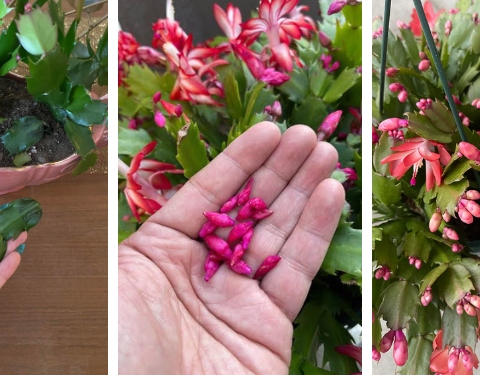
- Gently twist off 1–2 segments from the ends
- Use clean hands or sterilized scissors
- Never remove more than one-third of the plant
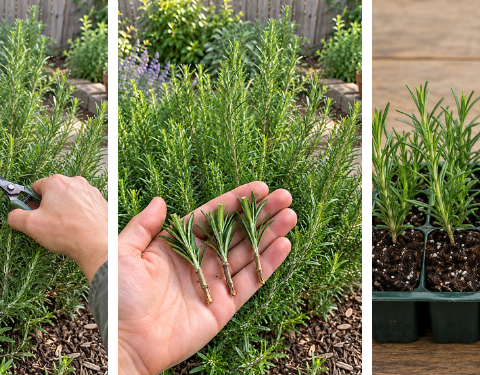
Bonus: The removed segments can be rooted to propagate new plants.
Fertilizing: Pause Until Spring
Once the holidays are over, fertilizing should stop temporarily.
Why fertilizing now is unnecessary:
- The plant is resting, not actively growing
- Extra nutrients can stress the roots
- Overfeeding may lead to weak growth later
Resume feeding in early spring using a balanced houseplant fertilizer at half strength. Until then, clean water and stable conditions are all your Christmas cactus needs.
Repotting: Should You Do It Now?
Mid-winter is not the ideal time for repotting unless absolutely necessary.
Only repot if:
- Roots are growing out of drainage holes
- The soil stays wet too long
- The plant is severely root-bound
If repotting is unavoidable:
- Choose a pot only slightly larger
- Use a well-draining mix (peat-based with perlite or orchid bark)
- Avoid disturbing the roots too much
Otherwise, wait until spring when the plant resumes active growth.
Common Mid-Winter Problems and How to Fix Them
Limp or Wrinkled Segments
Usually caused by underwatering or low humidity. Adjust watering slightly and improve moisture in the air.
Yellowing or Mushy Segments
A sign of overwatering or poor drainage. Reduce watering and ensure the pot drains freely.
No New Growth
Normal during mid-winter. Growth resumes naturally in spring.
Preparing for Next Year’s Blooms
What you do now affects how well your Christmas cactus blooms next season.
Key habits to maintain:
- Consistent light exposure
- Controlled watering
- Cool, stable temperatures
- Gentle pruning after flowering
By late summer and early fall, these habits help the plant build the energy needed for bud formation.
Christmas cactus care doesn’t end when the holidays do.
Mid-winter is a critical recovery period that allows your plant to rest, rebuild energy, and stay healthy long-term.
With the right balance of light, water, temperature, and patience, your Christmas cactus can become a cherished houseplant that blooms beautifully year after year.