Not all plants require abundant sunlight to thrive. If you have a space with minimal natural light, such as an office, bathroom, or shaded corner of your home, there are still plenty of indoor plants that will thrive.
These low-light champions are not only easy to maintain but also help purify the air, bring greenery indoors, and add aesthetic appeal to any room.
Here’s a detailed guide to the best plants that can grow without direct sunlight and how to care for them.
1. Snake Plant (Sansevieria)
The snake plant, also known as “mother-in-law’s tongue,” is one of the most resilient plants for low-light spaces. Its tall, upright leaves and variegated colors make it a popular choice for rooms with little natural light.
- Light Needs: Low to indirect light; tolerates artificial light well.
- Watering: Water sparingly; allow soil to dry out between waterings.
- Benefits: Snake plants are excellent air purifiers, filtering toxins like formaldehyde, benzene, and xylene from the air.
2. ZZ Plant (Zamioculcas zamiifolia)
The ZZ plant is a hardy choice with glossy, deep green leaves that brighten up any space. It’s incredibly tolerant of low-light conditions and requires minimal maintenance, making it ideal for beginner gardeners.
- Light Needs: Low to medium indirect light; adapts to artificial light.
- Watering: Water infrequently, only when the top inch of soil is dry.
- Benefits: Known for its air-purifying properties and drought tolerance, the ZZ plant is perfect for busy environments.
3. Pothos (Epipremnum aureum)
Pothos is a popular trailing plant that can adapt to low-light conditions while adding greenery to spaces with limited sunlight. Its heart-shaped leaves come in various colors, including golden, marble, and jade, making it versatile for indoor decor.
- Light Needs: Low to indirect light; thrives under fluorescent lighting.
- Watering: Water when the top inch of soil is dry; prefers slightly damp soil.
- Benefits: Pothos removes indoor pollutants like formaldehyde and carbon monoxide, making it ideal for workspaces and bathrooms.
4. Philodendron
Philodendrons are easy-to-care-for plants that grow well in low-light environments. With their large, glossy leaves and a variety of shapes and colors, they bring a tropical vibe to shaded areas of your home.
- Light Needs: Low to medium indirect light; tolerates low-light conditions.
- Watering: Keep soil lightly moist, but avoid overwatering.
- Benefits: Philodendrons improve air quality by removing toxins and are known for their low-maintenance care.
5. Cast Iron Plant (Aspidistra elatior)
True to its name, the cast iron plant is virtually indestructible and can withstand low light, drought, and temperature fluctuations. Its long, dark green leaves make it a fantastic choice for shaded areas.
- Light Needs: Low light to shade; tolerates dim spaces well.
- Watering: Water when the soil feels dry to the touch; avoid waterlogging.
- Benefits: The cast iron plant is excellent for busy or beginner gardeners due to its resilience and air-purifying qualities.
6. Spider Plant (Chlorophytum comosum)
Spider plants are known for their unique, arching foliage and small “pups” or baby plants that dangle from the mother plant. They adapt well to low-light areas and bring a touch of greenery to any room.
- Light Needs: Low to indirect light; artificial lighting is sufficient.
- Watering: Water when the soil is partially dry; prefers slightly moist soil.
- Benefits: Spider plants remove pollutants like formaldehyde and xylene, making them perfect for improving indoor air quality.
7. Chinese Evergreen (Aglaonema)
Chinese evergreen plants are slow-growing, colorful plants with variegated foliage that thrives in low-light conditions. Their low maintenance makes them ideal for offices, bathrooms, or bedrooms.
- Light Needs: Low to medium light; grows well with minimal natural light.
- Watering: Water when the top inch of soil dries out; avoid overwatering.
- Benefits: Chinese evergreens have air-purifying properties and bring a touch of color to low-light areas with their patterned leaves.
8. Dracaena
Dracaenas come in various shapes and sizes, from small tabletop plants to larger, tree-like varieties. With their sword-shaped leaves and adaptability to low light, dracaenas make an attractive addition to any dimly lit space.
- Light Needs: Low to indirect light; tolerates low-light rooms well.
- Watering: Water moderately; let soil dry slightly between waterings.
- Benefits: Dracaenas are known for their ability to purify the air, removing harmful chemicals like benzene and formaldehyde.
9. Peace Lily (Spathiphyllum)
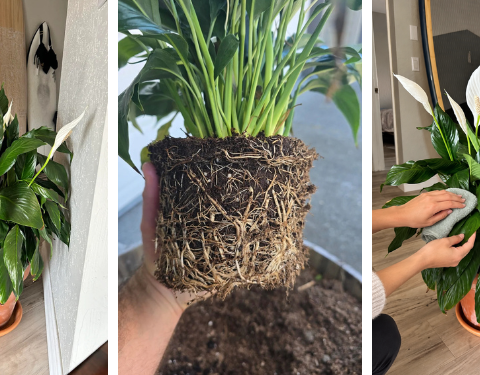
Peace lilies are known for their elegant white blooms and dark green leaves. They’re low-light lovers and also among the best indoor plants for air purification.
- Light Needs: Low to medium indirect light; can survive in shaded areas.
- Watering: Keep the soil consistently moist, but avoid overwatering.
- Benefits: Peace lilies remove indoor air pollutants and increase humidity, making them beneficial for respiratory health.
10. Ferns (Various Species)
Ferns, such as Boston ferns and maidenhair ferns, thrive in low-light, humid conditions and add lush greenery to indoor spaces. They’re ideal for bathrooms and other areas with indirect light.
- Light Needs: Low to medium indirect light; high humidity preferred.
- Watering: Keep the soil consistently moist; mist the leaves regularly.
- Benefits: Ferns improve indoor air quality and increase humidity, creating a fresh, inviting environment.
11. Lucky Bamboo (Dracaena sanderiana)
Lucky bamboo is often grown in water rather than soil, and its tall, slender stalks make it a unique addition to dimly lit areas. It’s considered a symbol of good luck and is popular in Feng Shui.
- Light Needs: Low to indirect light; avoid direct sunlight.
- Watering: Change water weekly or keep soil moist if potted.
- Benefits: Lucky bamboo adds a serene, zen-like vibe to your home and requires very little care.
12. Parlor Palm (Chamaedorea elegans)
The parlor palm is a small palm that grows well indoors, even in low-light conditions. It has a graceful appearance with feathery fronds that bring a tropical feel to any room.
- Light Needs: Low to moderate indirect light; prefers shade to partial light.
- Watering: Water when the top inch of soil is dry; avoid soggy soil.
- Benefits: This easy-care palm enhances air quality and adds greenery to low-light areas, creating a peaceful ambiance.
Tips for Growing Low-Light Plants Successfully
- Rotate Plants: Turn your plants occasionally to ensure even growth.
- Supplement with Artificial Light: If needed, use fluorescent or LED grow lights to give plants an extra boost.
- Avoid Overwatering: Low-light plants don’t dry out as quickly as those in bright light, so be mindful of watering.
- Dust Leaves Regularly: Keep leaves clean to allow maximum light absorption.
Adding low-light plants to your home allows you to enjoy greenery and the benefits of indoor plants, even in spaces with minimal sunlight.