In a world where indoor air quality is becoming increasingly important, adding a few air-purifying plants to your home or office can be one of the most effective—and beautiful—ways to breathe easier.
These green companions are more than just decorative. Scientific studies, including NASA’s famous Clean Air
Study, have proven that certain houseplants are capable of filtering and neutralizing harmful indoor air pollutants such as formaldehyde, benzene, carbon monoxide, xylene, and toluene.
Often referred to as “oxygen bombs”, these plants not only absorb airborne toxins but also release fresh oxygen, humidify the air, and improve mental well-being.
Whether you live in a compact apartment or a spacious house, incorporating these oxygen-rich indoor plants can transform your environment into a cleaner, healthier space.
Let’s explore the top air-purifying plants that act as natural detoxifiers for your home—and how to care for them so they can do their job effectively.
Why Indoor Air Needs Purifying
Modern homes are often sealed tightly to preserve energy efficiency, which unfortunately traps pollutants indoors.
Common sources of indoor air pollution include:
-
Formaldehyde: Found in carpets, upholstery, glues, and cleaning products
-
Benzene: Emitted by synthetic fibers, paints, detergents, and tobacco smoke
-
Carbon Monoxide: Comes from heaters, stoves, and fireplaces
-
Trichloroethylene & Xylene: Found in varnishes, adhesives, and printer inks
-
Ammonia: Present in floor waxes, glass cleaners, and fertilizers
These pollutants can cause health issues such as:
- Headaches
- Dizziness
- Respiratory irritation
- Fatigue
- Long-term exposure may increase the risk of cancer and neurological disorders
Fortunately, some houseplants act as natural air filters that absorb these toxins through their leaves and roots, and break them down into harmless substances.
Top 12 Air-Purifying Plants That Are Real Oxygen Bombs
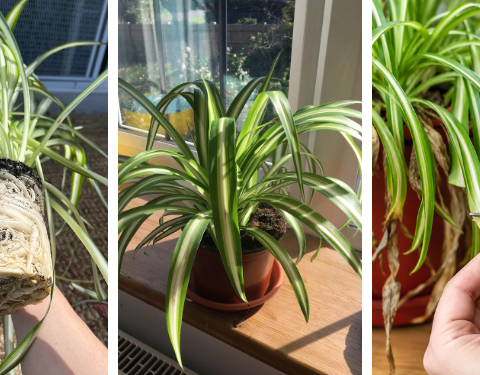
1. Spider Plant (Chlorophytum comosum)
One of the easiest plants to care for, the spider plant is incredibly effective at removing formaldehyde, carbon monoxide, and xylene from indoor air.
-
Light: Bright, indirect light
-
Watering: Water weekly; let soil dry between waterings
-
Bonus: Produces baby “spiderettes” that you can propagate easily
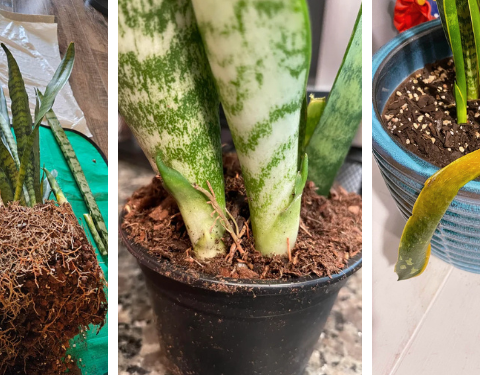
2. Snake Plant (Sansevieria trifasciata)
Often dubbed the “Mother-in-Law’s Tongue,” this plant is one of the best for producing oxygen at night, making it ideal for bedrooms.
-
Air Toxins Removed: Formaldehyde, benzene, carbon monoxide
-
Light: Tolerates low to bright light
-
Watering: Every 2–3 weeks; very drought-tolerant
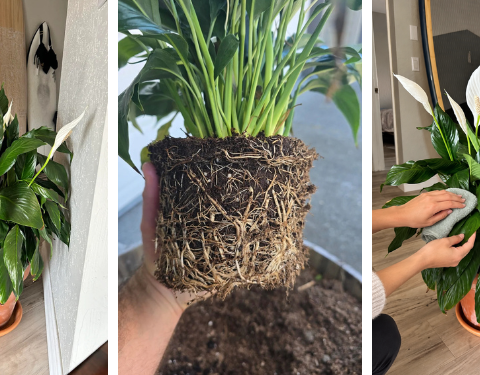
3. Peace Lily (Spathiphyllum)
The Peace Lily is elegant and hardworking. It not only absorbs harmful pollutants like benzene, ammonia, and trichloroethylene, but also increases room humidity by up to 5%.
-
Light: Low to medium light
-
Watering: Keep soil consistently moist
-
Bonus: Produces stunning white blooms
4. Aloe Vera
Best known for its healing gel, Aloe Vera is also a fantastic air purifier, particularly effective against formaldehyde and benzene.
-
Light: Bright, indirect light
-
Watering: Water every 2–3 weeks
-
Extra Benefit: Use its leaves for skin care or minor burns
5. Rubber Plant (Ficus elastica)
With thick, glossy leaves, the Rubber Plant excels at removing formaldehyde and is also excellent for humidifying dry air.
-
Light: Medium to bright indirect light
-
Watering: Keep soil evenly moist; reduce watering in winter
-
Note: Toxic to pets if ingested
6. Areca Palm (Dypsis lutescens)
Known as the Butterfly Palm, this lush tropical plant not only purifies air but is also rated as one of the top humidifiers among houseplants.
-
Air Toxins Removed: Benzene, carbon monoxide, xylene
-
Light: Bright, filtered light
-
Watering: Regular watering; keep soil moist, not soggy
7. Boston Fern (Nephrolepis exaltata)
The Boston Fern acts as a natural humidifier and is particularly good at removing formaldehyde and xylene.
-
Light: Indirect light or partial shade
-
Watering: Keep soil consistently moist; loves humidity
-
Placement Tip: Great for hanging baskets or bathroom corners
8. Gerbera Daisy (Gerbera jamesonii)
Apart from their vibrant blooms, Gerberas are exceptional at removing benzene and trichloroethylene—especially useful in laundry or dry-cleaning areas.
-
Light: Bright light
-
Watering: Keep soil moist but not soggy
-
Oxygen Bonus: Releases oxygen at night, great for bedrooms
9. English Ivy (Hedera helix)
English Ivy is a versatile plant known for its ability to filter mold spores and airborne fecal matter, making it ideal for homes with pets or allergies.
-
Light: Bright, indirect light
-
Watering: Keep soil slightly moist
-
Warning: Toxic to pets and children
10. Chinese Evergreen (Aglaonema)
Highly adaptable, Chinese Evergreen is not only beautiful but also filters a variety of toxins including benzene and formaldehyde.
-
Light: Low to medium light
-
Watering: Water when top inch of soil is dry
-
Bonus: Ideal for offices and low-light corners
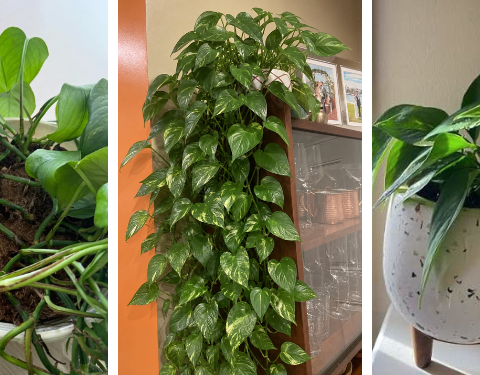
11. Pothos (Epipremnum aureum)
Also called Devil’s Ivy, Pothos is incredibly hardy and known to remove formaldehyde, xylene, and benzene.
-
Light: Low to bright indirect light
-
Watering: Let soil dry out between watering
-
Tip: Great as a hanging plant or for trailing from shelves
12. Dracaena (Dracaena marginata and others)
There are several varieties of Dracaena, all effective at removing benzene, trichloroethylene, and formaldehyde.
-
Light: Moderate light
-
Watering: Allow top inch of soil to dry before watering
-
Caution: Toxic to pets
Tips to Maximize Air Purification
To get the most benefit from your indoor plants:
-
Use multiple plants: NASA recommends 1 plant per 100 square feet
-
Wipe the leaves weekly: Dust can block the plant’s ability to filter air
-
Avoid overwatering: Most indoor plants prefer well-draining soil and moderate moisture
-
Rotate your plants: Ensure even light exposure for balanced growth
Houseplants aren’t just pretty—they’re powerful. By introducing air-purifying, oxygen-releasing plants into your home, you can significantly improve indoor air quality, reduce stress, and create a more peaceful, productive space.
These “oxygen bombs” work around the clock to eliminate harmful toxins, making your home not only greener but healthier.
From the easygoing Snake Plant to the tropical Areca Palm, there’s a plant for every home and every lifestyle. Start small, learn your plants’ needs, and let nature do what it does best—cleanse, heal, and renew.