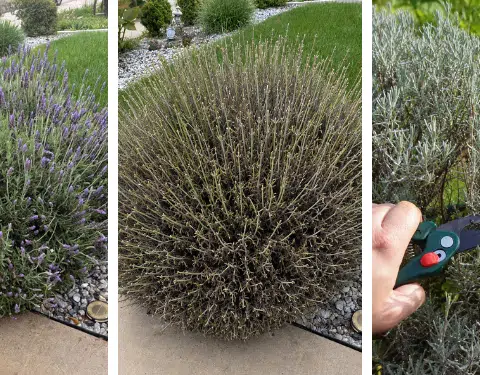
More and more gardeners are shifting away from pesticides and embracing organic gardening—and for good reason!
Organic gardening not only leads to healthier, chemical-free produce, but it also enhances the flavor of your fruits and vegetables while benefiting the environment.
Growing your own food at home is an incredibly rewarding experience. There’s nothing quite like harvesting fresh vegetables and fruits that you cultivated yourself, knowing they are 100% natural and free from harmful chemicals.
If you’re ready to take your organic gardening game to the next level, here are five powerful and eco-friendly tricks to help you create a more productive and sustainable garden.
1. Use Coffee Grounds to Enrich Your Soil
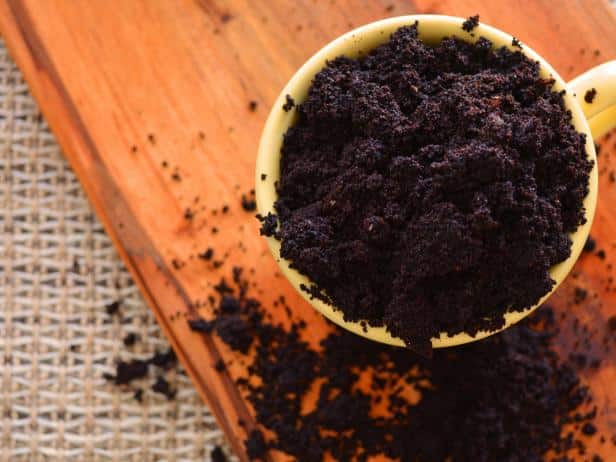
Did you know that used coffee grounds can work wonders for your garden? Instead of throwing them away, recycle them into your soil as a natural fertilizer and soil conditioner.
Benefits of Coffee Grounds in Gardening:
✔ Adds Nitrogen to Soil – Coffee grounds are rich in nitrogen, which promotes lush green growth.
✔ Improves Soil Structure – Helps retain moisture while preventing soil compaction.
✔ Repels Pests – Slugs, snails, and even cats dislike the scent and texture of coffee grounds.
✔ Enhances Compost – When mixed with other compost materials, coffee grounds speed up decomposition.
How to Use:
- Sprinkle used coffee grounds around your plants as a slow-release fertilizer.
- Mix into compost for added nutrients.
- Create a coffee ground mulch by combining it with dry leaves or straw to enhance soil moisture.
2. DIY Olla (Self-Watering System) for Efficient Irrigation
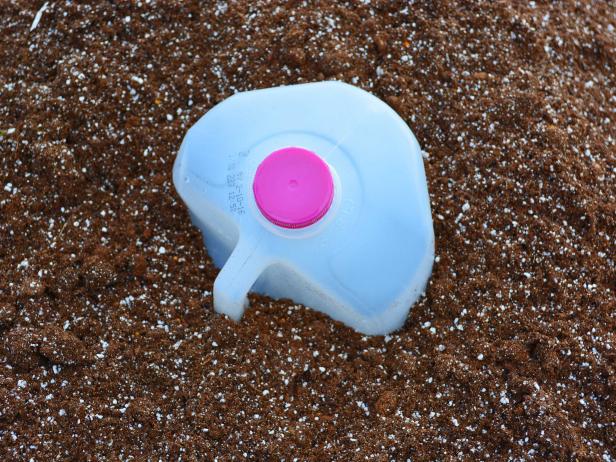
A DIY Olla (pronounced “oy-yah”) is a simple yet effective self-watering system that helps keep your plants hydrated with minimal effort. Traditional ollas are unglazed clay pots buried in the soil, but you can make a budget-friendly version using a plastic milk jug or juice container.
How to Make a DIY Olla:
✔ Take an empty milk jug or juice container.
✔ Poke small holes on the sides and bottom.
✔ Bury it near plant roots, leaving the top exposed for easy refilling.
✔ Fill with water, and it will slowly seep into the soil, keeping roots hydrated for days!
💡 Pro Tip: This method is perfect for water conservation, especially in hot or dry climates where frequent watering is needed.
3. Make a Seed Binder to Keep Your Seeds Organized
Every gardener knows that keeping track of different seeds can be a challenge.
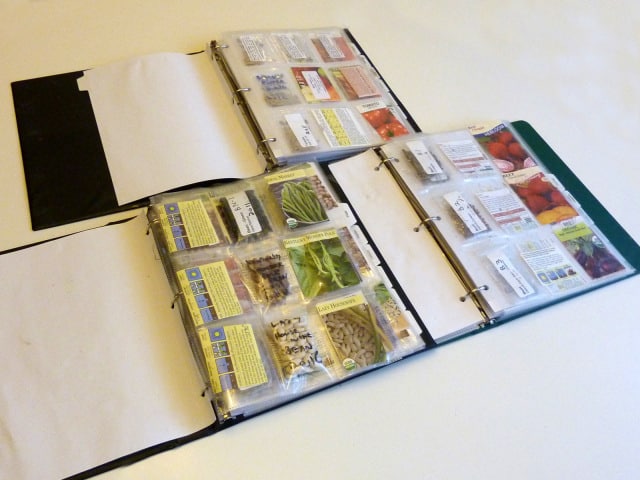
A DIY seed binder is an excellent way to store, label, and protect your seeds so they remain fresh for the next planting season.
How to Create a Seed Binder:
✔ Use plastic trading card sleeves, photo albums, or small envelopes to store your seeds.
✔ Label each pocket with the plant name, variety, and planting instructions.
✔ Keep it in a cool, dry place to maintain seed viability.
💡 Bonus Idea: Make DIY seed packets from old newspapers or recycled paper for an eco-friendly alternative!
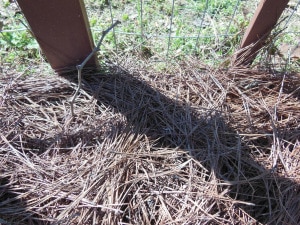
4. Chemical-Free Weed Prevention with Cardboard Mulch
Weeds can be one of the biggest headaches in gardening, but there’s a chemical-free way to control them—cardboard mulch!
This method suppresses weeds, retains soil moisture, and improves soil health.
How to Use Cardboard to Prevent Weeds:
✔ Flatten old cardboard boxes and remove any plastic tape.
✔ Lay them over the garden soil where weeds tend to grow.
✔ Cover with a thick layer of mulch (wood chips, straw, or leaves).
✔ Water the area to help the cardboard break down naturally.
💡 Pro Tip: Over time, the cardboard decomposes into organic matter, enriching the soil while preventing unwanted weed growth.
5. Bio-Intensive Planting to Deter Weeds and Maximize Space
Bio-intensive planting is a technique where plants are spaced closely together to reduce weed growth, maximize garden productivity, and improve soil health.
Benefits of Bio-Intensive Gardening:
✔ Minimizes Weeds – Less open space means fewer places for weeds to grow.
✔ Retains Soil Moisture – Dense planting shades the soil, preventing rapid water evaporation.
✔ Naturally Repels Pests – Some plant combinations can deter harmful insects.
How to Practice Bio-Intensive Gardening:
- Companion Planting: Grow plants that benefit each other (e.g., marigolds with tomatoes to deter pests).
- Succession Planting: After harvesting one crop, immediately plant another to keep the soil active.
- Grow Vertically: Use trellises for cucumbers, beans, and peas to save space.
💡 Best Plants for Bio-Intensive Gardening:
- Basil + Tomatoes (boosts tomato growth and flavor)
- Carrots + Onions (onions repel carrot flies)
- Lettuce + Radishes (lettuce shades radishes and prevents bolting)
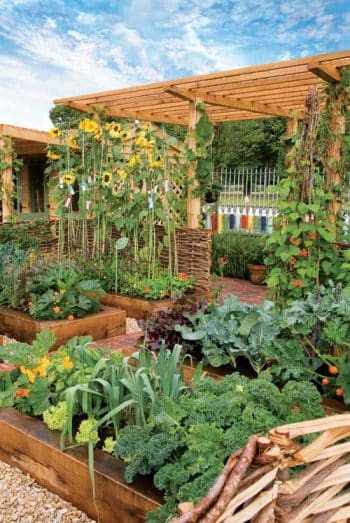
You can prevent the growth of weeds by planting your garden tightly together with plants that are known for their ability to deter them.
Final Thoughts: Grow a Thriving Organic Garden Naturally
Switching to organic gardening is one of the best decisions you can make for your health, the environment, and your garden’s productivity.
By incorporating these five organic gardening tricks, you’ll be able to grow nutrient-rich vegetables, maintain a weed-free garden, and conserve resources naturally.
🌱 Quick Recap of Key Tips:
✅ Enrich soil naturally with coffee grounds.
✅ Save water with a DIY Olla self-watering system.
✅ Organize your seeds with a homemade seed binder.
✅ Suppress weeds naturally using cardboard mulch.
✅ Maximize space and deter pests with bio-intensive planting.
By applying these simple yet effective techniques, you’ll create a self-sustaining organic garden that flourishes without the need for harmful chemicals.