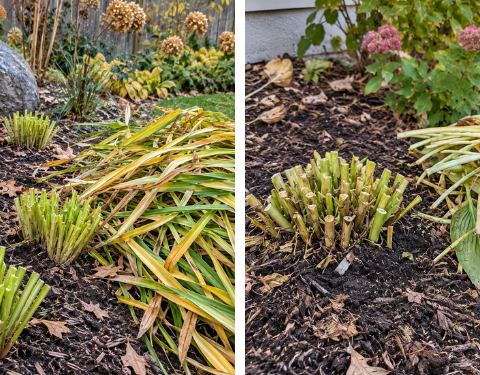
Getting rid of pesky bugs in your garden can be challenging, but with the right approach, it is completely manageable.
Instead of using harmful chemical pesticides, you can naturally control pests by attracting beneficial insects that act as natural predators.
Understanding which insects help your garden thrive and which ones damage your plants is key to creating a healthy, balanced ecosystem.
Below, we explore the best insects for pest control and the plants that will attract them to your garden.
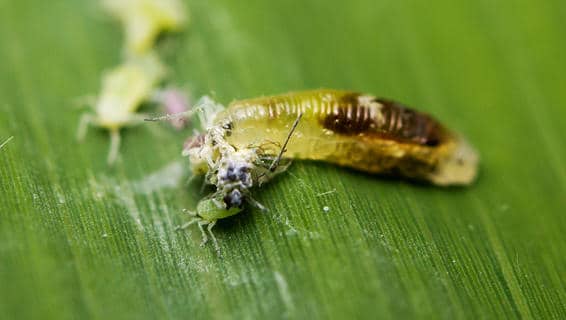
1. Aphid Midge
Aphid midges are small but powerful allies in the fight against aphids, which can wreak havoc on plants.
These insects are drawn to sweet-smelling flowers and will help control aphid populations naturally.
✔ Feeds on aphids, preventing plant damage
✔ Attracted to pollen-rich plants like dill and fennel
✔ Safe for vegetable and flower gardens
2. Braconid Wasps
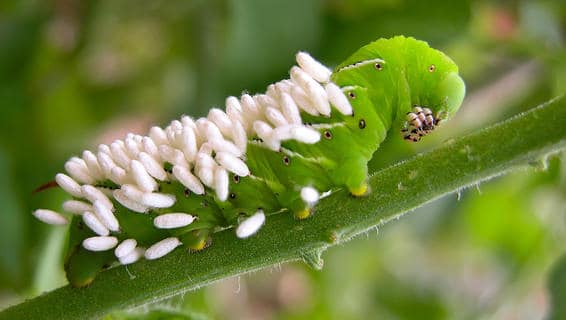
Braconid wasps are parasitic wasps that lay their eggs inside pest insects, including caterpillars, beetle larvae, and moths.
The larvae consume their host, preventing infestations.
✔ Controls caterpillars and moth larvae
✔ Attracted to small-petaled flowers like dill, parsley, and wild carrot
✔ Harmless to humans and pets
3. Damsel Bugs
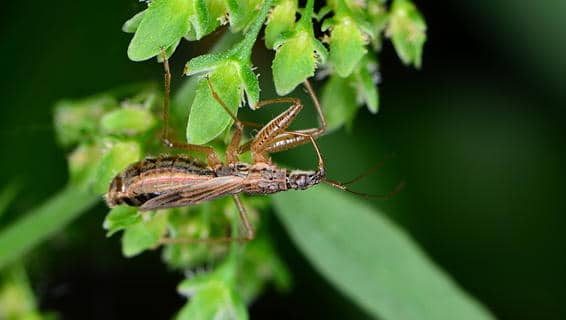
Damsel bugs are fierce hunters that feed on a variety of garden pests, including aphids, thrips, and caterpillars.
They can be collected from alfalfa fields and released into vegetable gardens.
✔ Feeds on multiple pest species
✔ Easily found in agricultural fields
✔ Great for organic pest control
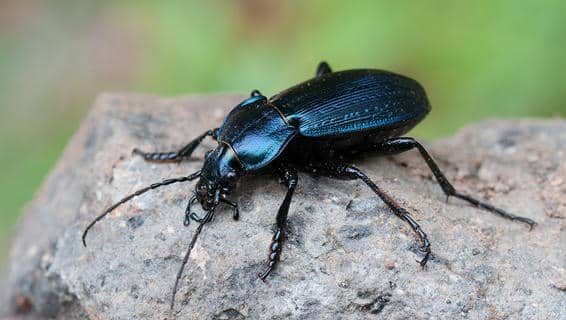
4. Ground Beetles
Ground beetles are voracious pest eaters, consuming large numbers of caterpillars, slugs, and cutworms.
One ground beetle larva can eat over 50 caterpillars in its lifetime!
✔ Active at night, reducing garden pests
✔ Attracted to perennials and white clover
✔ Prefers gardens with mulch and hiding spaces
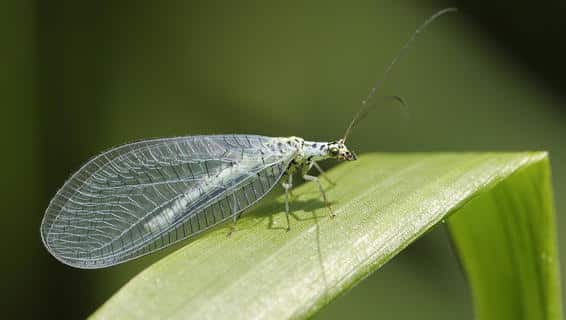
5. Lacewings
Lacewing larvae are often called “aphid lions” because they feast on aphids, caterpillars, and mealybugs.
They thrive in gardens with cosmos, angelica, and dill.
✔ Excellent for aphid control
✔ Easy to attract with nectar-producing plants
✔ Non-invasive and safe for all plants
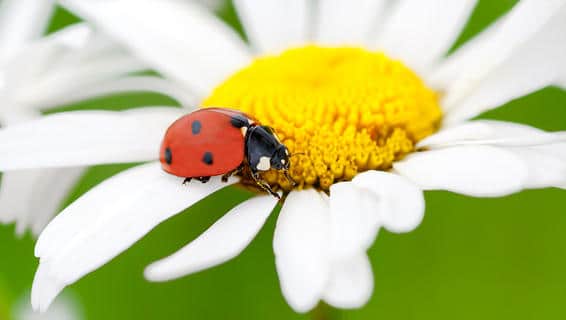
6. Lady Beetles (Ladybugs)
Lady beetles are one of the most well-known beneficial insects.
Both adult and larval ladybugs consume aphids, mealybugs, and whiteflies, helping to protect plants.
✔ Attracted to strong-scented flowers like angelica and fennel
✔ Helps control soft-bodied insect pests
✔ Can be purchased and released into gardens
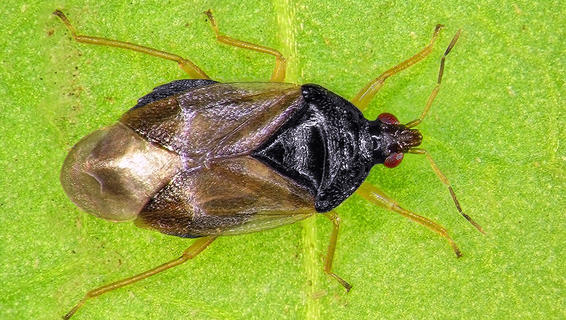
7. Minute Pirate Bugs
These tiny predators attack a wide variety of small garden pests, including spider mites, thrips, and aphids.
✔ Effective against a broad range of pests
✔ Attracted to goldenrods, daisies, and yarrow
✔ Easy to introduce to vegetable gardens
8. Soldier Beetles
Soldier beetles feed on caterpillars and aphids, making them valuable allies in pest control.
To attract them, plant catnip, goldenrod, and marigolds.
✔ Aphid and caterpillar predators
✔ Non-aggressive and beneficial for flowers
✔ Help pollinate plants while controlling pests
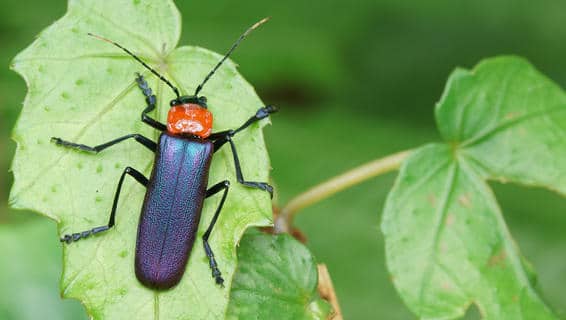
9. Spined Soldier Bug
This natural predator is great for controlling beetle larvae and caterpillars. They thrive in gardens with perennials and mulched flower beds.
✔ Effective against multiple garden pests
✔ Easy to maintain with sheltering plants
✔ Ideal for vegetable and fruit gardens
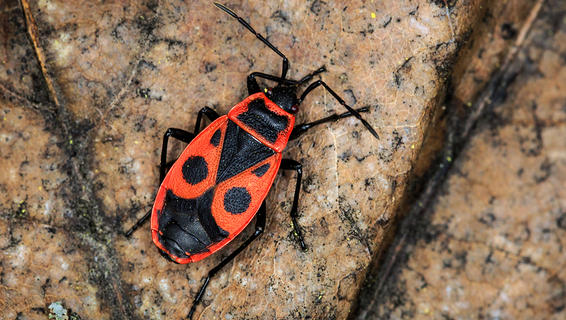
10. Tachinid Flies
Tachinid flies lay their eggs inside caterpillars, beetles, and stink bugs, eliminating them before they mature into destructive pests.
✔ Reduces beetle and moth infestations
✔ Attracted to cilantro, dill, and Queen Anne’s lace
✔ Works well in mixed flower and vegetable gardens
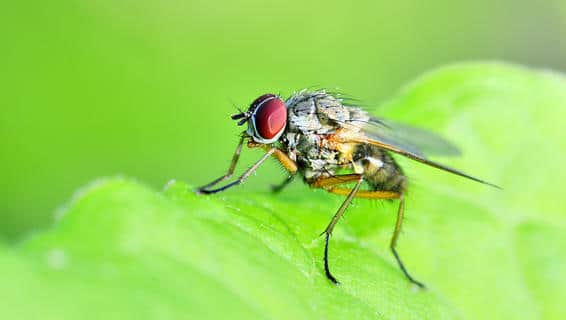
Attracting beneficial insects to your garden naturally reduces harmful pest populations while improving the health and vitality of your plants.
By planting nectar-rich flowers, herbs, and perennials, you can create an ecosystem that supports these garden-friendly bugs.