Using pesticides can be detrimental to the environment, beneficial insects, and even human health. Luckily, there are natural ways to protect your crops from pests.
Certain plants possess pest-repelling properties, attract beneficial insects, or act as sacrificial plants to lure pests away from valuable crops.
Here are ten plants that naturally protect crops from pests and how they work to maintain a healthy garden ecosystem.
1. Marigolds
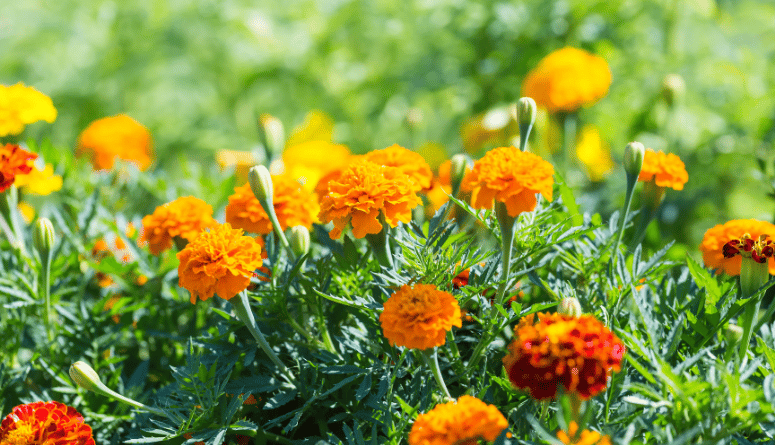
How They Work: Marigolds release a strong scent that repels nematodes, aphids, and whiteflies. Their roots excrete a substance that deters root-knot nematodes.
How to Use: Plant marigolds around the perimeter of your garden or intersperse them with your crops to create a protective barrier.
2. Basil
How They Work: Basil emits aromatic oils that repel mosquitoes, flies, and aphids. It also enhances the growth and flavor of neighboring plants like tomatoes.
How to Use: Plant basil near tomatoes, peppers, and other vegetables to benefit from its pest-repelling properties and its companion planting benefits.
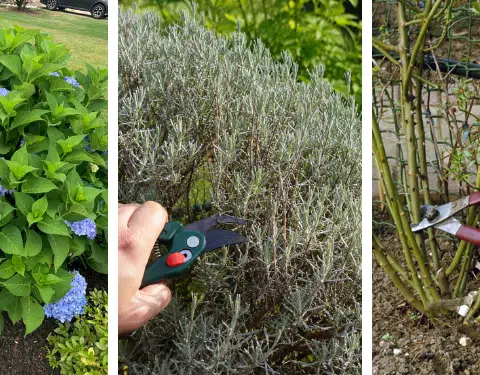
3. Lavender
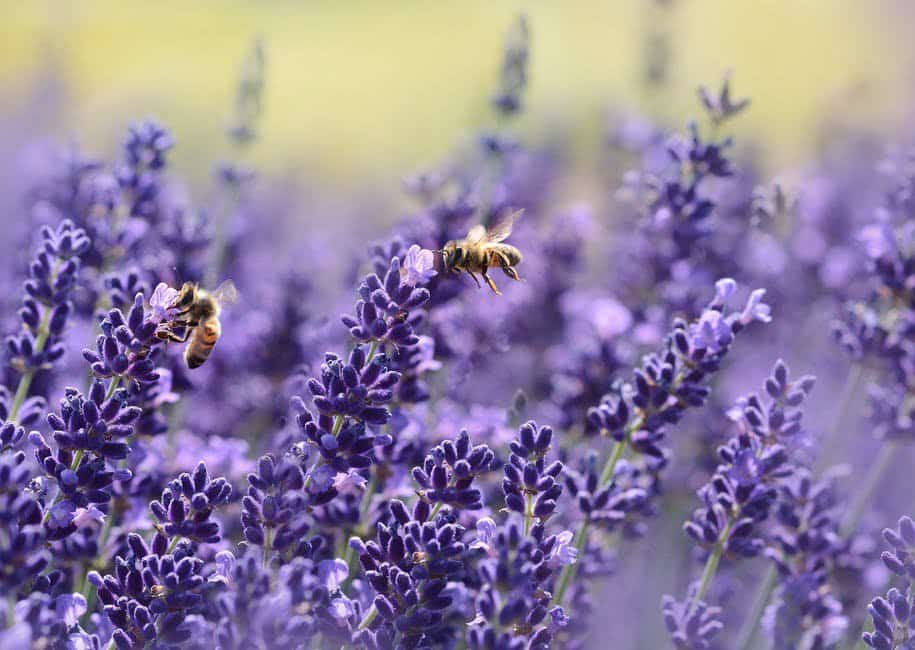
How They Work: Lavender’s fragrant flowers attract pollinators such as bees while repelling moths, fleas, and mosquitoes with their strong scent.
How to Use: Plant lavender along garden borders or near sitting areas to keep pests at bay while enjoying its pleasant aroma.
4. Chives
How They Work: Chives emit a strong odor that deters aphids, Japanese beetles, and carrot rust flies.
How to Use: Plant chives near carrots, roses, and other susceptible plants to protect them from these pests.
5. Nasturtiums
How They Work: Nasturtiums act as a trap crop, attracting aphids, whiteflies, and cabbage moths away from more valuable crops.
How to Use: Plant nasturtiums near brassicas (like cabbage and broccoli), tomatoes, and cucumbers to lure pests away and keep your main crops healthy.
6. Garlic
How They Work: Garlic’s strong odor repels a variety of pests, including aphids, spider mites, and Japanese beetles.
How to Use: Plant garlic near roses, tomatoes, and fruit trees, or create a garlic spray by blending garlic cloves with water and applying it to vulnerable plants.
7. Mint
How They Work: Mint’s aromatic oils deter ants, aphids, and flea beetles.
How to Use: Plant mint in containers to prevent it from spreading invasively, and place the containers strategically around your garden.
8. Rosemary
How They Work: Rosemary repels cabbage moths, bean beetles, and carrot flies with its strong scent.
How to Use: Plant rosemary near cabbage, beans, and carrots, or use sprigs of rosemary as a natural deterrent around these plants.
9. Petunias
How They Work: Petunias repel aphids, tomato hornworms, and asparagus beetles with their sticky, aromatic foliage.
How to Use: Plant petunias near tomatoes, asparagus, and beans to benefit from their natural pest control properties.
10. Thyme
How They Work: Thyme deters cabbage worms, whiteflies, and corn earworms with its aromatic oils.
How to Use: Plant thyme near cabbage, broccoli, and corn, or use thyme sprigs around these plants to keep pests away.
Additional Tips for Natural Pest Control
- Companion Planting: Integrate pest-repelling plants with your crops to create a diverse and resilient garden ecosystem.
- Attract Beneficial Insects: Plant flowers like daisies, yarrow, and sunflowers to attract beneficial insects such as ladybugs, lacewings, and hoverflies that prey on garden pests.
- Rotate Crops: Rotate crops each season to prevent pest populations from becoming established.
- Maintain Healthy Soil: Healthy soil supports strong, resilient plants that are better able to withstand pest attacks. Regularly amend your soil with compost and organic matter.
Incorporating these ten pest-repelling plants into your garden allows you to naturally protect your crops without relying on harmful pesticides.
By using these eco-friendly strategies, you create a healthier, more balanced garden environment.
Embrace these natural methods and enjoy a thriving, pest-resistant garden while contributing to a safer and more sustainable ecosystem.