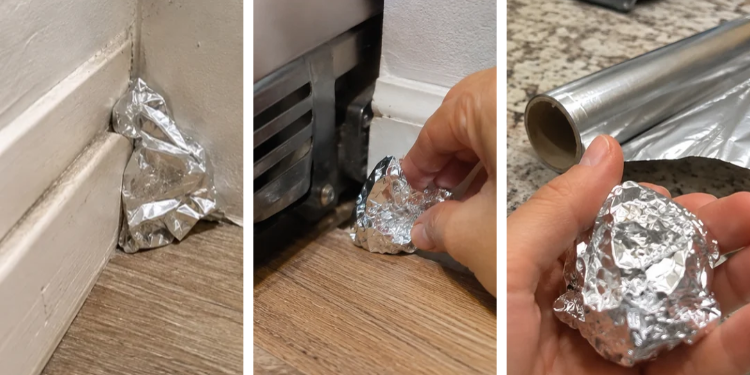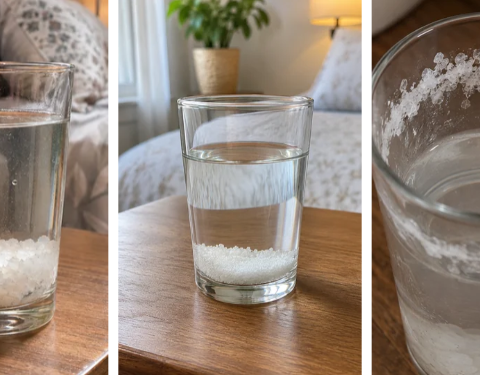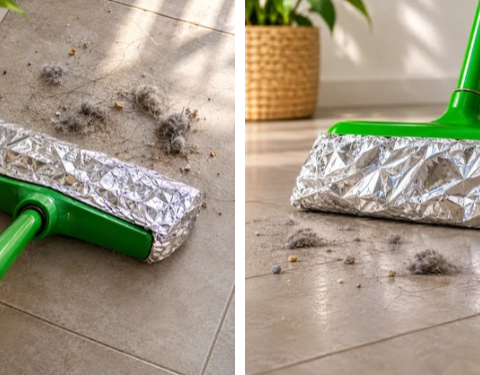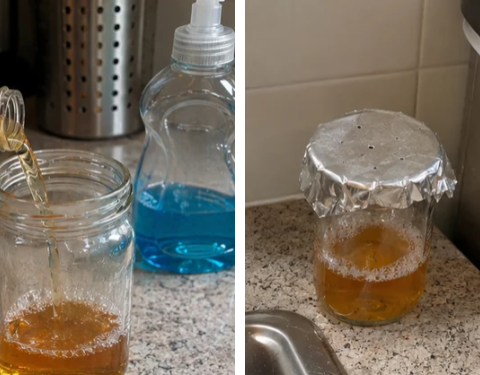
If you inspect the hidden corners behind kitchen appliances, along basement baseboards, or tucked into dark pantry crevices in older homes, you might notice an unusual domestic detail: crumpled wads or tightly folded sheets of aluminum foil wedged into floor and wall gaps.
At first glance, stuffing shiny kitchen foil into structural corners looks like an improvised repair job. Yet across traditional home maintenance circles, pest-control forums, and DIY weatherproofing guides, placing aluminum foil in the corners of your house is a widely recommended, budget-friendly household hack.
By leveraging the distinct physical, thermal, and sensory properties of cold-rolled aluminum alloy, this simple trick addresses several persistent domestic problems – ranging from deterring gnawing rodents and crawling insects to blocking cold air drafts and preventing moisture condensation in vulnerable room junctions.
Here is a scientific breakdown of why people place aluminum foil in the corners of their homes, the physical mechanisms behind its effectiveness, and how to apply this method properly without creating structural issues.
The Material Science: Why Aluminum Foil Works in Structural Corners
Standard household aluminum foil is manufactured from an alloy consisting of over 98% pure aluminum, rolled to a thickness of roughly 0.016 to 0.024 mm (heavy-duty grade).
While thin and pliable enough to conform to irregular angles, aluminum possesses specific physical properties that make it highly effective when packed into architectural corners:
1. Sensory and Mechanical Rodent Deterrence
Mice and rats navigate homes primarily by running along perimeter walls and corners – a behavioral trait known as thigmotaxis (wall-hugging) – which keeps their whiskers in contact with vertical surfaces for spatial orientation.
When rodents encounter a small gap in a baseboard corner, their first instinct is to gnaw it wider using their continuously growing incisors.
-
Oral Sensory Aversion: When a rodent bites into tightly crumpled aluminum foil, the metallic surface generates an unpleasant tactile sensation against their teeth and gums. More importantly, if the rodent has any trace of moisture or dental sensitivity, biting into aluminum creates a mild galvanic reaction (similar to the sharp metallic shock humans experience when biting foil near dental fillings).
-
Unstable Chew Surface: Unlike wood, drywall, or plastic foam—which offer firm resistance that rodents can cleanly shred—crumpled foil compresses, shifts, and tears unpredictably, frustrating their ability to gain traction.
2. Thermal Reflectivity and Draft Interruption
Architectural corners where exterior walls meet floors or foundation sills are notorious thermal bridges—zones where insulation is thinnest and cold outdoor air infiltrates indoor spaces.
Aluminum foil has an exceptionally low emissivity rating (reflecting up to 95% to 97% of radiant heat).
When wedged into drafty corners behind radiators, under sinks, or along window trim joints, foil acts as a physical air baffle that disrupts convective air currents while reflecting ambient indoor warmth back into the room.
3. Complete Impermeability to Moisture and Pheromones
Unlike cotton rags, newspaper, or untreated wood shims, aluminum is 100% non-porous. It does not absorb ambient floor moisture, preventing hidden fungal mildew from colonizing dark corners.
Furthermore, crawling insects like ants rely on chemical pheromone trails deposited on porous wood and drywall to guide colony members into the house; smooth metallic surfaces disrupt this chemical tracking.
4 Main Reasons People Put Aluminum Foil in House Corners
1. Blocking Entry Gaps Behind Appliances and Cabinets
The dark corners behind refrigerators, dishwashers, and under-sink plumbing pipes are primary entry highways for mice, cockroaches, and silverfish.
Because these areas are hidden from view, homeowners often pack tightly balled-up sheets of heavy-duty aluminum foil around pipe openings and floor-wall junctions as an immediate, non-toxic barrier while waiting to apply permanent sealant.
2. Stopping Cold Air Drafts in Older Windows and Baseboards
During winter months, subtle shrinkage in wooden floorboards and window frames opens narrow hairline gaps in room corners.
Folding strips of heavy-duty aluminum foil into tight, wedge-shaped shims and pressing them into corner crevices immediately blocks whistling cold drafts without requiring messy caulk guns or permanent adhesives.
3. Protecting Basement and Garage Corners from Dampness
Concrete basement corners frequently suffer from seasonal condensation when warm indoor air meets cold foundation walls.
Placing folded foil barriers along lower corner trim creates a vapor-impermeable shield that prevents damp concrete from wicking moisture directly into adjacent wooden baseboards.
4. Deterrence Against Cat Scratching and Pet Chewing
In homes with indoor cats or teething puppies, upholstered furniture corners and wooden door frames often bear the brunt of scratching and chewing.
Taping smooth sheets of aluminum foil onto vulnerable corner trim utilizes animals’ natural aversion to the crinkling sound and slick metallic texture of foil, rapidly training pets to avoid those corners.
Corner Sealing and Pest Barrier Materials Compared
| Material | Rodent Chew Resistance | Air & Moisture Seal | Ease of Removal | Toxicity & Safety |
| Heavy-Duty Aluminum Foil | Moderate (Effective sensory deterrent) | High (Non-porous vapor & air barrier) | Instant (Zero residue) | 100% Non-toxic & chemical-free |
| Coarse Steel Wool | Very High (Painful to chew) | Low (Porous; air passes through) | Moderate (Can rust & stain floors) | Safe, though sharp fibers irritate skin |
| Expanding Spray Foam | Low (Rodents easily chew through cured foam) | Very High (Airtight insulation) | Difficult (Permanent; requires scraping) | Releases VOCs while curing |
| Silicone Caulk | Low to Moderate | Very High (Waterproof & flexible) | Moderate (Requires utility knife) | Low odor once cured |
Step-by-Step: How to Use Aluminum Foil in House Corners Effectively
To get maximum protection without creating visual clutter or loose debris, follow this structured application protocol:
Important Limitations and Safety Precautions
While aluminum foil is a remarkably versatile household tool, understanding its limits ensures safe and effective home care:
-
Temporary vs. Permanent Structural Fix: Aluminum foil is an ideal immediate deterrent and draft stopper, but determined rats can eventually pull loose foil out of wide openings. For permanent structural rodent-proofing, pair foil or copper mesh with exterior-grade silicone caulk or cement patch.
-
Keep Away from Electrical Outlets: Never stuff aluminum foil into gaps directly inside or touching exposed electrical outlets, breaker boxes, or frayed appliance cords, as aluminum is a highly conductive metal and poses a short-circuit hazard.
-
Keep Out of Reach of Toddlers: Ensure small, loose foil balls are wedged tightly inside hidden behind-appliance crevices rather than left loose on open living room floors where young children could pick them up.
Placing aluminum foil in the hidden corners of your home is a practical, zero-toxicity habit that combines basic physics with smart preventative maintenance—helping keep cold drafts, dampness, and unwanted pests out of your living spaces.