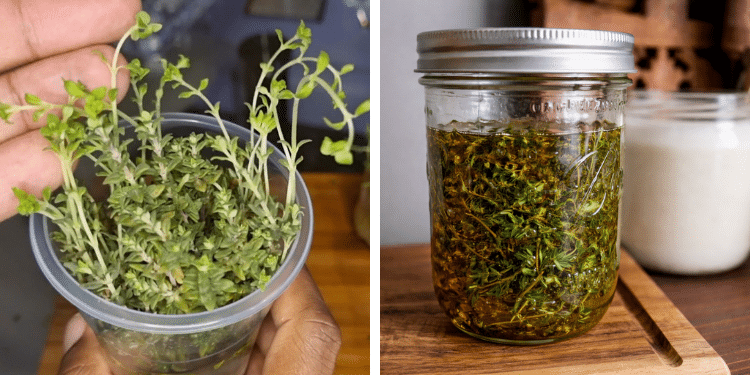
For thousands of years, thyme (Thymus vulgaris) has been revered not just as a culinary staple, but as a potent natural remedy.
Roman soldiers bathed in thyme infusions to gain courage, while medieval Europeans used it to ward off illnesses.
Today, modern science confirms what ancient healers knew: thyme is a powerhouse of botanical wellness.
When concentrated into an essential oil, it yields an exceptionally high amount of thymol and carvacrol—two organic compounds known for their intense antimicrobial, antioxidant, and anti-inflammatory properties.
Because it is highly concentrated, a single bottle of thyme essential oil can replace a dozen synthetic household products and wellness remedies.
10 Powerful Uses and Benefits of Thyme Essential Oil
From clearing congestion to protecting your garden, thyme essential oil is one of the most versatile tools you can add to your natural lifestyle toolkit.
1. Relieving Deep Respiratory Congestion
Thyme is a highly effective, natural expectorant. It contains spasmolytic properties that relax the smooth muscles of the bronchial tubes, helping to ease intense coughing fits.
When diffused into the air, it breaks up thick mucus and clears tight sinus passages during cold and flu season.
2. Sanitizing Acne-Prone Skin
Thanks to its deep antibacterial activity, thyme oil can help clear up stubborn skin blemishes. It targets Propionibacterium acnes, the primary bacteria responsible for breakouts.
Because it is highly potent, always mix 1 drop of thyme oil into 1 tablespoon of a gentle carrier oil (like jojoba or argan oil) before applying it to your face.
3. Boosting Hair Growth and Scalp Vitality
When massaged gently into the scalp, thyme oil stimulates blood circulation, delivering vital nutrients directly to the hair follicles.
It helps clear away dandruff-causing flakes and unblocks clogged follicles, encouraging thicker, healthier new hair growth. Mix 2 drops with a carrier oil like olive or jojoba oil for a weekly scalp treatment.
4. Soothing Sore Muscles and Joint Pain
The carvacrol in thyme oil acts as a natural anti-inflammatory agent. When diluted into a soothing massage oil or added to a warm Epsom salt bath, it helps flush lactic acid out of tired muscles, reduces swelling, and eases the discomfort of stiff joints.
5. Creating a Non-Toxic All-Purpose Cleaner
Commercial multi-surface cleaners often rely on harsh, synthetic chemicals. You can create a highly effective, plant-based disinfectant by adding 10 to 15 drops of thyme essential oil to a spray bottle filled with equal parts white vinegar and distilled water. It cuts through kitchen grease and naturally eliminates household mold and bacteria.
6. Supporting Optimal Oral Health
Thymol is so effective at fighting plaque and tooth decay that it is used as a primary active ingredient in many commercial mouthwashes.
You can create a clean, refreshing oral rinse by adding 1 single drop of thyme oil to a small glass of warm water. Swish thoroughly for 30 seconds and spit it out—never swallow essential oils.
7. Natural Pest Control for Home and Garden
If you are dealing with unwanted ants, spiders, or mosquitoes, thyme oil offers a safe, chemical-free shield. The sharp, herbaceous aroma overwhelms the sensory receptors of common pests.
Spray a diluted mixture around windowsills, doorways, and patio spaces to establish a natural barrier.
8. Fading Scars and Toning the Skin
Thyme oil is rich in antioxidants that support cellular turnover and skin regeneration. Regular application of a heavily diluted thyme oil blend can help fade stretch marks, dark spots, and old acne scars, while tightening the skin’s overall texture.
9. Preserving Stored Food and Grains
Because thyme oil halts the proliferation of fungal spores and mold, it can be utilized to extend the shelf life of household dry goods.
Placing a single drop of thyme oil onto a cotton ball and tucking it into a pantry cabinet helps keep the immediate storage environment fresh and free of airborne mold.
10. Uplifting Focus and Lowering Stress
When used in aromatherapy, the crisp, grounding scent of thyme oil stimulates the nervous system, helping to clear away mental fog and midday lethargy.
Diffuse it in your workspace when you need a boost of concentration, or inhale it deeply to help ground your emotions during high-stress moments.
How to Safe-Proof Your Essential Oil Usage
Because pure essential oils are highly concentrated plant extracts, a little goes a long way. To enjoy the benefits safely, always keep these three guidelines in mind:
-
Never Apply Undiluted: Thyme is classified as a “hot” oil, meaning it can cause skin irritation or chemical redness if applied directly. Always mix it into a carrier oil like jojoba, sweet almond, or olive oil before skin application.
-
Conduct a Quick Patch Test: Apply a single drop of your diluted oil mixture to the inside of your forearm and wait 24 hours. If no redness or irritation occurs, it is safe to use on larger areas.
-
Keep Away from Pets: Thyme oil is highly toxic to cats and dogs, whose livers cannot easily process certain botanical compounds. Avoid diffusing it in tight, unventilated rooms where your pets sleep.
Step-by-Step Guide: How to Make Thyme-Infused Oil at Home
While commercial essential oils are made using complex steam-distillation machinery, you can easily craft a highly potent, medicinal thyme-infused oil right in your kitchen.
This DIY method captures the plant’s active thymol, antioxidants, and aroma inside a stable carrier oil, making it perfect for direct cosmetic, therapeutic, or cleaning use.
The Tools and Ingredients You Need
-
Fresh Thyme Sprigs: 1 large bunch (ensure it is organic and free of pesticides).
-
Carrier Oil: 1 cup of high-quality, stable oil (such as extra-virgin olive oil, jojoba oil, or liquid coconut oil).
-
Glass Jar: A clean, completely dry pint-sized mason jar with a tight-fitting lid.
-
Strainer: A fine-mesh strainer or a clean piece of cheesecloth.
Step 1: Wash and Prepare the Botanical Material
Thoroughly rinse your fresh thyme sprigs under cold running water to remove any garden dirt or debris. Shake off the excess water, then lay the sprigs out on a clean towel.
Crucial Rule: Allow the thyme to air-dry completely for 24 to 48 hours. Any residual water trapped on the leaves can introduce moisture into your oil bath, which will cause the mixture to grow mold and spoil.
Step 2: Release the Active Compounds
Once the thyme is dry, bruise the leaves gently. You can do this by rubbing the sprigs together between your hands or lightly crushing them with a mortar and pestle.
This mechanical action ruptures the microscopic plant walls, allowing the beneficial essential oils to leak out into your carrier substrate. Place the bruised thyme directly into your clean glass jar.
Step 3: Submerge the Thyme
Pour your chosen carrier oil over the thyme sprigs until they are completely submerged. Ensure there is at least a half-inch of oil covering the top of the plant material to prevent air exposure, which can cause oxidation. Seal the jar tightly.
Step 4: The Solar Infusion Phase
Place your sealed jar on a warm, sunny windowsill where it can receive steady indirect heat for 2 to 3 weeks.
The gentle warmth of the sun acts as a natural extraction engine, slowly drawing the thymol and aromatic compounds out of the leaves and into the carrier oil. Give the jar a gentle shake once every day to redistribute the plant material.
Step 5: Strain and Store
After 3 weeks, place your fine-mesh strainer or cheesecloth over a clean glass storage bottle and pour the oil through. Press down firmly on the thyme leaves to squeeze out every last drop of the concentrated oil.
Label your bottle with the date and store it in a cool, dark pantry or cupboard. Your homemade thyme-infused oil will remain fresh, stable, and ready to use for up to a full year.