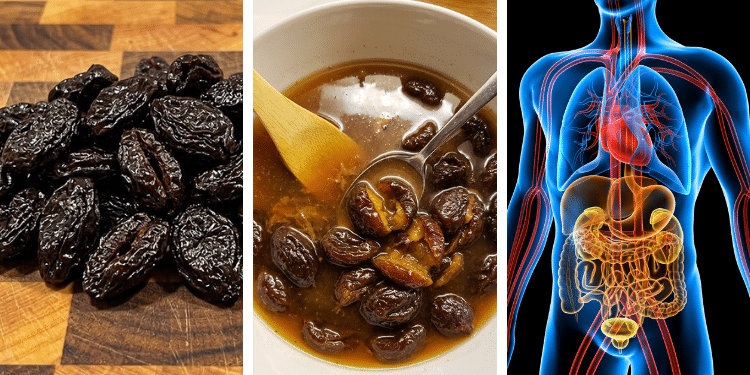
While dried plums – commonly known as prunes – are often relegated to the back of the pantry and viewed merely as a traditional remedy for digestive sluggishness, modern nutritional science paints a vastly different picture.
Biochemists and clinical researchers recognize this deep purple, wrinkled fruit as a complex functional food packing one of the highest antioxidant profiles in the entire fruit kingdom.
When a fresh plum undergoes the dehydration process, its nutritional matrix is concentrated, intensifying its fiber delivery, phenolic compounds, and essential bone-building minerals.
Far beyond their well-known laxative effects, dried plums contain highly bioavailable phytonutrients that circulate throughout the bloodstream, interacting with multiple organ systems.
The Phytochemical Engine: Phenols, Fiber, and Boron
The broad-spectrum therapeutic potential of dried plums is driven by a unique combination of soluble compounds and dense micronutrients that work together within the body:
-
Hydroxycinnamic Acids (Neochlorogenic and Chlorogenic Acid): These powerful phenolic antioxidants are exceptionally efficient at neutralising free radicals. They target lipid peroxidation, shielding cell membranes from oxidative stress.
-
Dual-Action Fiber Matrix: Dried plums provide a balanced mix of insoluble fiber (which adds bulk and accelerates digestive transit) and soluble fiber, specifically pectin. Soluble fiber binds to cholesterol molecules and serves as a vital fuel source for beneficial gut microbes.
-
The Bone-and-Vessel Mineral Complex: Prunes are a premier plant-based source of boron, an essential trace mineral that plays a foundational role in how the body metabolizes calcium, magnesium, and vitamin D.
Multi-Organ System Support Explained
1. Liver Protection and Reduced Fat Accumulation
Your liver is highly vulnerable to oxidative stress and excess fat storage, which can lead to metabolic congestion. The chlorogenic acids found in dried plums help down-regulate genes responsible for fatty acid synthesis in the liver.
Concurrently, the soluble fiber binds to bile acids in the digestive tract, forcing the liver to consume its own internal cholesterol stores to produce fresh bile.
This dual mechanism helps ease liver burden and supports healthy metabolic filtration.
2. Cardiovascular Health and Lower Arterial Stiffness
Arterial plaque buildup begins when LDL (“bad”) cholesterol becomes oxidized, creating an inflammatory trigger within your blood vessels.
The high concentration of polyphenols in dried plums helps shield circulating LDL particles from oxidation, keeping vascular pathways flexible.
Additionally, a single serving delivers a potent dose of potassium, a mineral that relaxes blood vessel walls and assists in balancing systemic blood pressure numbers already within a normal range.
3. Kidney Function and Natural Fluid Balance
Your kidneys rely on a precise balance of minerals to filter metabolic waste out of the blood without retaining excess fluid.
Because dried plums are rich in potassium and completely sodium-free, they encourage smooth fluid balance and ease the physical pressure on the delicate filtering units (nephrons) of the kidneys.
Their high antioxidant content also helps calm localized inflammation within renal tissues.
4. Skeletal Integrity and Bone Mineral Density
One of the most remarkable, clinically proven attributes of dried plums is their ability to actively combat bone loss (osteopenia and osteoporosis).
-
The Clinical Evidence: Multiple clinical trials have demonstrated that consuming a daily serving of dried plums helps postmenopausal women preserve, and even rebuild, bone mineral density in the spine and hips.
-
The Mechanism: The combination of boron, vitamin K, and copper stimulates osteoblasts (the cells responsible for building new bone matrix) while simultaneously putting the brakes on osteoclasts (the cells that break down old bone tissue), effectively arresting the age-related skeletal decline.
5. Gastrointestinal Balance and Microbiome Fuel
The digestive benefits of dried plums are multi-layered. They contain a high volume of sorbitol, a natural sugar alcohol that acts as an osmotic agent, pulling water into the colon to soften stool naturally.
Beneath that mechanical action, the fruit’s soluble fibers and polyphenols act as highly selective prebiotics, fueling beneficial short-chain fatty acid (SCFA) producing bacteria in the gut.
These bacteria help strengthen the intestinal barrier and lower systemic inflammation.
Nutritional Blueprint Snapshot
| Metric | Daily Target | Standout Active Catalyst | Best Use Case |
| Dried Plums | 4 to 6 whole fruits (approx. 40–50g) | Neochlorogenic Acid, Boron, Sorbitol | Bone density preservation, cardiovascular defense |
How to Maximize the Nutritional Delivery of Dried Plums
To minimize the glycemic impact of the fruit’s natural sugars while unlocking the maximum amount of bound antioxidants, use this straightforward daily prep and consumption sequence:
True superfoods don’t have to be exotic or expensive. Dried plums are an affordable kitchen staple that offers sweeping structural benefits for your liver, heart, kidneys, and skeletal network.