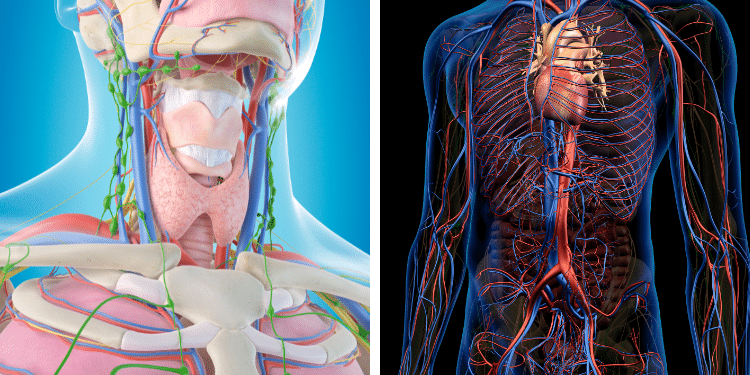
Hormones influence nearly every major system in the body. They help regulate metabolism, sleep, mood, stress response, appetite, blood sugar, reproductive health, energy production, and even body temperature.
Because hormones act like chemical messengers, small disruptions in one area of the endocrine system may affect multiple parts of the body at the same time.
Many people associate hormonal imbalance only with aging or reproductive changes, but endocrinologists explain that daily lifestyle habits often play a major role as well.
The body constantly responds to sleep patterns, stress levels, food choices, movement, light exposure, and environmental signals. Over time, repeated habits may either support healthy hormonal rhythms or gradually interfere with them.
One important thing specialists emphasize is that hormones rarely become imbalanced overnight. In many cases, the body slowly shifts out of balance after months or years of chronic stress, poor sleep, unstable blood sugar, lack of movement, or overstimulation.
The encouraging news is that the endocrine system is highly responsive to supportive lifestyle changes. Small consistent habits often make a significant difference over time.
1. Poor Sleep Habits and Inconsistent Sleep Schedules
Sleep is one of the most important regulators of hormone production.
While the body sleeps, it performs essential recovery and regulation processes involving:
- Cortisol
- Melatonin
- Growth hormone
- Insulin sensitivity
- Hunger hormones
- Reproductive hormones
When sleep becomes inconsistent or chronically insufficient, these systems may begin functioning less efficiently.
One of the first hormones affected by poor sleep is cortisol, often called the “stress hormone.” Normally, cortisol follows a natural rhythm — higher in the morning to promote alertness and lower at night to support relaxation and sleep.
Late nights, irregular schedules, and sleep deprivation may disrupt this rhythm, causing the body to remain in a more stressed and alert state.
At the same time, poor sleep may influence hormones related to hunger and appetite regulation, particularly ghrelin and leptin. This may contribute to:
- Increased cravings
- Late-night snacking
- Energy crashes
- Difficulty maintaining steady metabolism
Bright artificial light at night may also interfere with melatonin production, especially from screens and electronic devices.
What Endocrinologists Recommend Instead
Hormone specialists often emphasize the importance of consistent circadian rhythms.
Helpful habits may include:
- Going to sleep at consistent times
- Reducing screen exposure before bed
- Keeping bedrooms cool and dark
- Avoiding large late-night meals
- Limiting caffeine late in the day
The endocrine system responds strongly to predictable routines.
Why Deep Sleep Is So Important for Hormonal Recovery
During deep sleep, the body repairs tissues, regulates inflammation, balances stress hormones, and restores nervous system function.
Even short-term sleep deprivation may temporarily affect:
- Blood sugar regulation
- Cortisol balance
- Appetite hormones
- Energy metabolism
Over time, chronic poor sleep may place ongoing strain on the endocrine system.
2. Chronic Stress and Elevated Cortisol Levels
Stress is one of the biggest hidden disruptors of hormonal balance.
When the body perceives stress, it activates the “fight-or-flight” response and releases hormones such as:
- Cortisol
- Adrenaline
These hormones are designed to help the body respond to short-term challenges. But when stress becomes chronic, cortisol may remain elevated for extended periods.
Long-term stress may influence:
- Sleep quality
- Blood sugar balance
- Appetite
- Energy levels
- Mood stability
- Menstrual regularity
Chronic stress may also contribute to mental fatigue and feelings of burnout.
Modern lifestyles expose many people to constant low-level stress through:
- Financial pressure
- Overwork
- Noise and overstimulation
- Excess screen time
- Lack of rest
- Emotional strain
The body often cannot distinguish between physical danger and chronic emotional pressure.
What Endocrinologists Recommend Instead
Stress management is increasingly considered essential for overall hormonal wellness.
Helpful habits may include:
- Walking outdoors
- Deep breathing exercises
- Meditation
- Gardening
- Quiet hobbies
- Reducing unnecessary stimulation
- Prioritizing recovery time
Even small calming habits practiced daily may help regulate the nervous system over time.
The Connection Between Stress and Hormones
The nervous system and endocrine system are deeply connected.
When the body remains in a prolonged stress state, cortisol may influence:
- Insulin regulation
- Sleep hormones
- Thyroid signaling
- Reproductive hormones
This is why emotional health often affects physical health so directly.
3. Excessive Sugar and Highly Processed Foods
The endocrine system relies heavily on stable blood sugar balance.
Highly processed foods and excessive sugar intake may contribute to repeated spikes and crashes in blood glucose levels. Over time, this may place additional strain on insulin regulation.
Insulin is one of the body’s most important hormones because it controls how glucose moves from the bloodstream into cells for energy.
Frequent blood sugar spikes may contribute to:
- Fatigue
- Cravings
- Energy crashes
- Increased hunger
- Metabolic stress
Many processed foods are also low in fiber, protein, and nutrients that help stabilize energy levels naturally.
Sugary beverages are especially important because they deliver large amounts of sugar rapidly without creating lasting fullness.
What Endocrinologists Recommend Instead
Specialists often encourage focusing on meals that support steady blood sugar.
This may include:
- Protein-rich foods
- Vegetables
- Healthy fats
- Fiber-rich carbohydrates
- Whole foods instead of highly processed snacks
Balanced meals help slow digestion and support more stable energy release throughout the day.
Why Blood Sugar Stability Matters Beyond Diabetes
Stable blood sugar supports much more than metabolism alone.
Insulin interacts closely with:
- Cortisol
- Hunger hormones
- Reproductive hormones
- Fat storage pathways
- Energy regulation
This is why blood sugar imbalance may affect mood, energy, cravings, and hormonal rhythms overall.
4. Sedentary Lifestyle and Lack of Movement
Movement strongly influences hormone function.
Physical activity helps support:
- Insulin sensitivity
- Circulation
- Metabolic health
- Stress regulation
- Energy production
Long periods of inactivity may negatively affect these systems over time.
Modern lifestyles often involve hours of sitting:
- At desks
- In cars
- In front of screens
Even people who exercise occasionally may still experience effects from excessive daily inactivity.
Movement also supports mood-regulating chemicals and endorphins that interact closely with the endocrine system.
What Endocrinologists Recommend Instead
Exercise does not need to be extreme to support hormonal health.
Consistent movement often matters more than intensity.
Helpful activities include:
- Walking
- Strength training
- Stretching
- Cycling
- Gardening
- Swimming
Regular movement helps the body use energy more efficiently and supports metabolic flexibility.
5. Constant Overstimulation and Excess Screen Time
Modern life exposes the brain to nonstop stimulation.
Phones, social media, notifications, bright screens, and constant multitasking may keep the nervous system in a prolonged alert state.
This ongoing stimulation may affect:
- Cortisol rhythms
- Sleep quality
- Mental recovery
- Stress signaling pathways
Blue light exposure at night may also suppress melatonin production, interfering with natural sleep cycles.
The brain and endocrine system communicate constantly, especially through stress-related pathways.
What Endocrinologists Recommend Instead
Creating periods of mental quiet may help support nervous system recovery.
Helpful habits may include:
- Screen-free evenings
- Limiting notifications
- Spending time outdoors
- Reading
- Relaxing hobbies
- Reducing digital overstimulation before bed
Mental rest has become increasingly important in modern environments.
6. Extreme Dieting and Skipping Meals
Severe calorie restriction and highly inconsistent eating patterns may place stress on the endocrine system.
When the body perceives prolonged undernourishment, it may adapt by altering:
- Cortisol
- Thyroid activity
- Reproductive hormone signaling
- Metabolic rate
Extreme dieting may also contribute to:
- Fatigue
- Mood changes
- Poor concentration
- Hormonal irregularities
Hormones rely heavily on adequate nutrients and energy availability to function properly.
What Endocrinologists Recommend Instead
Most hormone specialists encourage sustainable eating habits rather than extreme restriction.
Supportive habits often include:
- Balanced meals
- Adequate protein intake
- Healthy fats
- Fiber-rich foods
- Consistent nourishment
The body generally responds better to stability than aggressive dieting cycles.
Why Nutrition Directly Influences Hormones
Hormones are built from nutrients.
The endocrine system relies on:
- Amino acids
- Healthy fats
- Vitamins
- Minerals
- Stable energy intake
Poor nutrition may gradually interfere with hormone production and signaling pathways.
7. Ignoring Persistent Symptoms
Hormonal imbalances often develop gradually.
Many people dismiss early symptoms because they seem minor or unrelated at first.
Possible warning signs may include:
- Persistent fatigue
- Mood changes
- Weight fluctuations
- Hair thinning
- Sleep disturbances
- Increased thirst or hunger
- Irregular menstrual cycles
- Difficulty concentrating
Not every symptom indicates a hormone disorder, but persistent changes should not be ignored.
What Endocrinologists Recommend Instead
Regular medical checkups and bloodwork may help identify underlying issues earlier.
Hormonal health is complex, and professional evaluation becomes important when symptoms:
- Persist
- Worsen
- Affect daily functioning
Early attention often helps prevent more significant health issues later.
Why Hormonal Balance Depends on Daily Habits
Hormones constantly respond to the environment the body experiences each day.
The endocrine system reacts to:
- Sleep quality
- Food intake
- Stress levels
- Light exposure
- Movement
- Emotional wellbeing
Small habits repeated consistently often influence hormonal health more than occasional dramatic changes.
The Body Functions Best With Rhythm and Stability
One theme endocrinologists frequently emphasize is consistency.
The body thrives on:
- Predictable sleep schedules
- Regular nourishment
- Stable routines
- Recovery periods
- Balanced movement
Hormones rely heavily on rhythm and timing.
When routines become chaotic or stressful for extended periods, hormonal signaling may gradually become less efficient.
Hormonal balance is shaped by much more than genetics or age alone. Daily lifestyle patterns involving sleep, stress, movement, nutrition, and mental health all influence how the endocrine system functions over time.
Habits like poor sleep, chronic stress, inactivity, excessive processed foods, overstimulation, and extreme dieting may gradually interfere with hormonal rhythms without obvious warning signs initially.