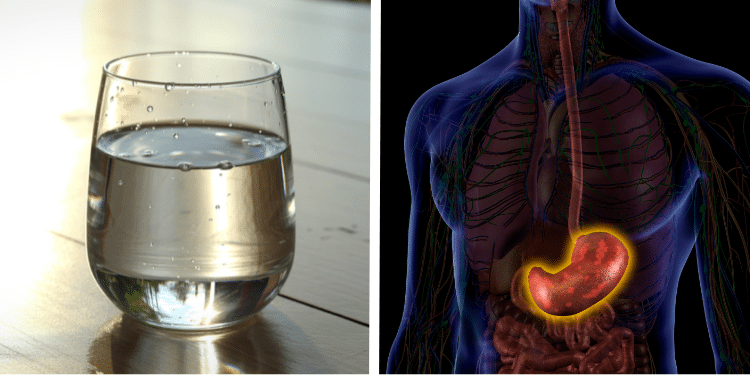
In the landscape of modern wellness, the most effective habits are often the simplest.
While luxury supplements and complex biohacking routines dominate the headlines, one of the most scientifically robust practices involves a resource available in every household: water.
Specifically, the act of consuming water immediately upon waking – on an empty stomach – is a cornerstone of traditional medicine and a growing area of interest in metabolic research.
1. The Metabolic “Spark”: Thermogenesis and Caloric Expenditure
One of the most immediate benefits of drinking water on an empty stomach is its effect on your metabolic rate. When you consume water – particularly room-temperature or cool water – your body must expend energy to process the liquid and maintain its internal core temperature.
The Mechanism:
Research indicates that drinking roughly 500ml of water can increase the metabolic rate by up to 30%. This phenomenon, known as water-induced thermogenesis, begins within 10 minutes of consumption and reaches its peak approximately 30 to 40 minutes later.
By drinking water before consuming calories, you effectively “prime” your metabolism to process your subsequent breakfast more efficiently.
2. Accelerated Cellular Detoxification
During sleep, your body enters a deep state of repair and filtration. The lymphatic system, kidneys, and liver work to process metabolic waste products.
However, these toxins require a medium – water – to be flushed out of the system effectively.
The Mechanism:
After 6 to 8 hours of sleep, the body is naturally dehydrated. Drinking water on an empty stomach provides the necessary volume to stimulate the kidneys to filter out accumulated toxins.
This “internal rinse” reduces the load on the liver and helps clear the blood of impurities. This is often why individuals who adopt this habit notice a significant improvement in skin clarity; when the kidneys can’t flush toxins, the skin (the body’s largest organ) often tries to compensate.
3. Gastrointestinal Activation and Colon Cleansing
Chronic constipation and sluggish digestion are often the result of chronic low-level dehydration. Drinking water on an empty stomach acts as a mechanical stimulus for the gastrointestinal tract.
The Mechanism:
The intake of water triggers the gastrocolic reflex, which signals the colon to move. This facilitates regular bowel movements and prevents the stagnation of waste in the digestive tract.
Furthermore, water helps to rehydrate the mucosal lining of the stomach and intestines, which is vital for the absorption of nutrients during your first meal of the day.
4. Cognitive Performance and Brain “Fog” Elimination
The human brain is approximately 75% water. Even a minor fluid deficit – as little as 1% to 2% dehydration – can impair cognitive functions, including concentration, short-term memory, and mood regulation.
The Mechanism:
Morning “brain fog” is frequently a symptom of nocturnal dehydration. By rehydrating before anything else, you provide the brain with the necessary fluid balance to maintain neurotransmitter function and cerebral blood flow.
This leads to a sharper, more alert start to the day without the “crash” often associated with immediate caffeine consumption.
5. Immune System Support
The lymphatic system, a major part of your immune system, relies entirely on water for the transport of lymph—a fluid containing infection-fighting white blood cells.
The Mechanism:
A hydrated body ensures that the lymph fluid maintains the correct viscosity to move through the lymph nodes, where pathogens are filtered and destroyed.
Drinking water on an empty stomach ensures that your immune system’s transport network is fully operational from the moment you start your day.
6. Professional Protocol: How to Optimize Your Hydration
To reap the full benefits, the method of consumption is as important as the water itself.
-
The Volume: Aim for 400ml to 600ml (roughly 2 to 3 glasses). This is the volume typically required to trigger the metabolic and gastrocolic responses mentioned above.
-
The Temperature: While ice-cold water burns slightly more calories via thermogenesis, room-temperature or lukewarm water is often gentler on the digestive system and is absorbed more rapidly by the stomach lining.
-
The “Wait” Period: After drinking, wait at least 45 minutes before eating breakfast. This allows the water to pass through the stomach and begin the systemic cleaning process without being hindered by the digestion of solid food.
-
Quality Matters: Use filtered or spring water to ensure you aren’t introducing chlorine or heavy metals into a system that is currently in “detox mode.”
7. Common Myths vs. Scientific Reality
-
Myth: “You must add lemon for it to work.”
-
Reality: While lemon provides Vitamin C and can aid alkalinity, the primary benefits—metabolic spark and detoxification—come from the water itself.
-
-
Myth: “It cures all chronic diseases.”
-
Reality: While it supports the body’s natural healing mechanisms, it is a foundational habit, not a standalone cure. It works best when paired with a balanced diet and regular movement.
-
Drinking water on an empty stomach is perhaps the most cost-effective health intervention available.
It supports the kidneys, jumpstarts the metabolism, clears the mind, and prepares the digestive tract for the day ahead.