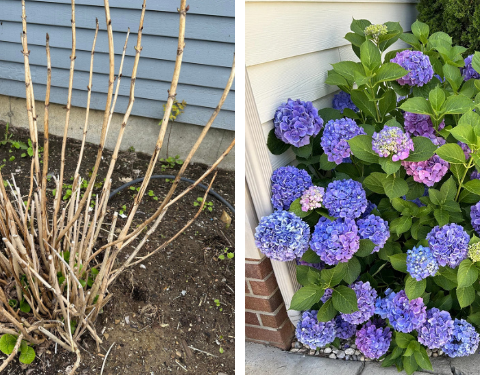
As the garden enters the vibrant month of May, the initial rush of spring growth begins to transition into a full-scale floral display.
For many gardeners, May is a month of observation – watching the tulips fade while the perennials take center stage.
However, if you want to ensure that your garden doesn’t “peak” in June and then fizzle out by July, you must master the art of deadheading.
Deadheading is the simple practice of removing faded or spent flowers before they can produce seeds. While it may seem like a cosmetic task, it is actually a vital biological intervention.
By removing the dying bloom, you signal to the plant that its reproductive mission is not yet complete.
Instead of sending its energy into seed production, the plant redirects its “fuel” into developing new buds and strengthening its root system.
The Biology of the Bloom: Why May is Critical
Plants have one primary goal: to reproduce. Once a flower is pollinated and begins to wither, the plant shifts its metabolic focus to creating seeds. For many species, once seeds are set, the biological “timer” for flowering stops.
By deadheading in May, you are essentially “tricking” the plant into staying in its reproductive phase. In the cool, moist conditions of late spring, plants have the peak energy reserves to bounce back quickly.
If you wait until the heat of July to start deadheading, the plant may already be too stressed to produce a significant second flush.
1. Pansies and Violas (Viola tricolor)
Pansies are the workhorses of the early spring garden, but they are highly sensitive to the rising temperatures of May.
As the days get longer and warmer, pansies naturally want to go to seed and die back.
If you leave spent pansy blooms on the stem, the plant will quickly become “leggy” and stop producing new buds.
-
The Technique: Don’t just pull off the petals. Pinch the stem off at the base, just above the first set of leaves. This prevents the development of the small green seed pods.
-
The Result: Consistent deadheading in May can extend the life of your pansies by three to four weeks, keeping them vibrant until the true summer heat arrives.
2. Columbine (Aquilegia)
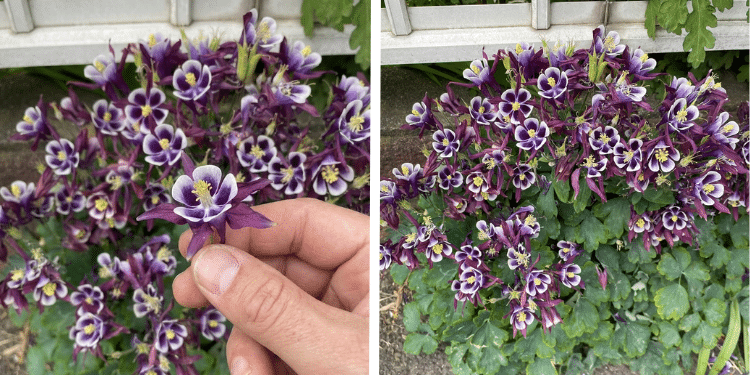
Columbines are a May favorite, offering intricate, airy blooms. However, they are prolific “self-seeders.” If left alone, they will drop thousands of seeds, which can lead to an overcrowded garden of “mystery” hybrids next year.
Deadheading Columbine in May keeps the foliage looking lush and prevents the plant from looking “scruffy” as it enters June.
-
The Technique: Follow the flower stem down to where it meets a leaf or the main base and snip it there.
-
The Result: While Columbine typically only has one major bloom cycle, removing the spent stalks early encourages the plant to maintain its beautiful fern-like foliage throughout the summer rather than yellowing.
3. Hardy Geraniums (Geranium spp.)
Also known as “Cranesbill,” these perennials often begin their main show in May. Because they grow in dense mounds, the spent flowers can quickly get lost in the foliage, where they rot and encourage fungal issues.
Deadheading helps maintain the “mound” shape and encourages a staggered bloom time.
-
The Technique: You can deadhead individual stems, but for varieties like ‘Johnson’s Blue,’ many gardeners prefer the “Chelsea Chop” at the end of May – shearing the whole plant back by half to stimulate a completely fresh flush of leaves and flowers for July.
4. Peonies (Paeonia)
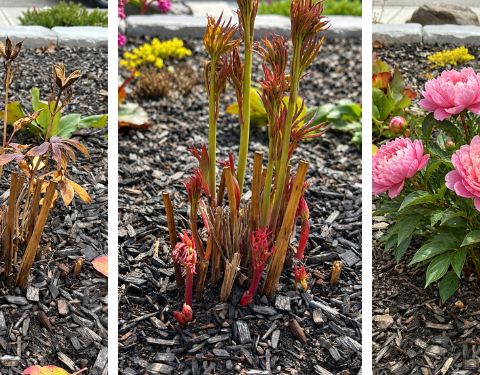
The grand finale of many May gardens, peonies have massive blooms that last only a short time. Because the flower heads are so heavy, they can become a source of disease if left to rot on the bush.
Deadheading peonies is primarily about plant health and aesthetics. Once the petals fall, the remaining “seed head” is bulky and unattractive.
-
The Technique: Cut the flower stem back to the first strong leaf. Do not cut too deep into the bush, as the leaves are needed to gather energy for next year’s flowers.
-
The Result: Removing the heavy heads prevents the stems from flopping and allows the plant to focus on strengthening its tuberous roots for the following spring.
5. Sweet Alyssum (Lobularia maritima)
Often used as a border or a “filler” in containers, Alyssum provides a carpet of honey-scented flowers. By mid-May, the first flush often starts to look “stretched” and thin.
Alyssum responds incredibly well to a “haircut.”
-
The Technique: Instead of picking individual flowers (which is impossible), use garden shears to trim the top inch off the entire plant.
-
The Result: This removes the developing seeds and triggers a massive, dense regrowth within a week. Your Alyssum will return thicker and more fragrant than before.
6. Salvia and Sage (Salvia nemorosa)
Perennial salvias are May stars, sending up spikes of purple, blue, or pink. They are “repeat bloomers,” but they require a push to start their second act.
If you let the flower spikes turn brown and go to seed, the plant will likely stop flowering for the rest of the year.
-
The Technique: Cut the entire spent flower spike down to the base where it meets the next set of leaves.
-
The Result: This encourages the plant to send up new spikes from the side nodes. With diligent May deadheading, many salvias will continue to bloom in waves until September.
7. Roses (Rosa)
Early-blooming roses, particularly shrub roses and floribundas, begin their display in May. This is the most important time to establish a deadheading routine.
For “repeat-flowering” roses, deadheading is the only way to ensure a second and third flush of blooms.
-
The Technique: Use the “Five-Leaf Group” rule. Cut the spent bloom stem back to just above the first leaf that has five leaflets. This is where the stem is strongest and most capable of supporting a new, heavy flower bud.
-
The Result: Quick intervention in May ensures that the rose doesn’t “think” its season is over, leading to a much shorter gap between bloom cycles.
8. Bleeding Heart (Lamprocapnos spectabilis)
This classic shade plant is at its peak in early May. As the “hearts” begin to fade and turn yellow, the plant starts its transition into summer dormancy.
While deadheading won’t usually trigger a second bloom in Bleeding Hearts, it significantly extends the beauty of the current cycle.
-
The Technique: Snip individual drooping hearts as they fade, or remove the entire arching stem once more than half the flowers are gone.
-
The Result: This keeps the plant looking tidy and prevents it from becoming a “yellowing eyesore” in the shade garden too early in the season.
The Golden Rules of May Deadheading
-
Use Sharp, Clean Tools: Always use bypass pruners or sharp floral snips. Dull blades can crush the stems, leaving the plant vulnerable to pests and disease. Sanitize your blades with a quick wipe of rubbing alcohol between different plants to prevent the spread of viruses.
-
Timing Matters: The best time to deadhead is in the morning after the dew has dried but before the midday heat sets in. This ensures the plant is hydrated and can seal the “wound” of the cut quickly.
-
Know Your Plant: Some flowers, like Fuchsias and Begonias, are “self-cleaning,” meaning they drop their spent blooms automatically. Save your energy for the “seed-setters” like Roses, Salvias, and Pansies.
May is your starting point.
With just a few minutes of regular care, you can keep your garden alive with color, energy, and continuous blooms all season long.