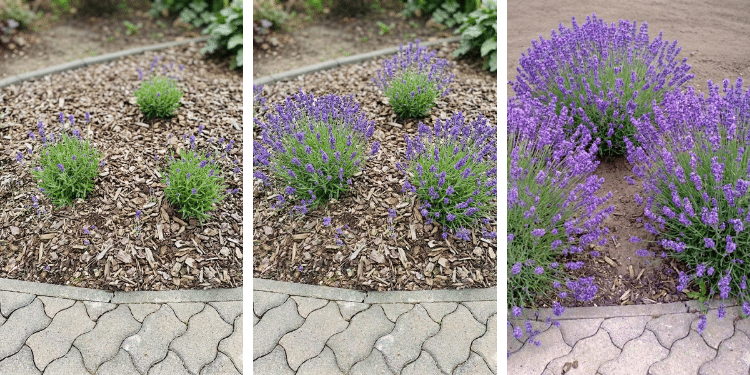
Lavender (Lavandula) is the undisputed crown jewel of the sun-drenched garden, prized for its silvery, aromatic foliage and those iconic, nectar-rich purple spires.
However, many gardeners find themselves frustrated by a “woody” or “leggy” bush – a plant that looks sparse at the base and produces only a scattered handful of flowers.
The difference between a lackluster, struggling shrub and a floral explosion often comes down to the biological window of April.
1. The “Wake-Up” Spring Pruning (Rejuvenation)
Pruning is the single most influential factor in determining bloom density. If you leave your lavender untouched in the spring, the plant will naturally put all its energy into the existing tips, leading to long, spindly stems that flop under the weight of rain.
The “One-Third” Rule:
In mid-to-late April, as soon as you see tiny flecks of vibrant green growth emerging from the gray stems, it is time to act.
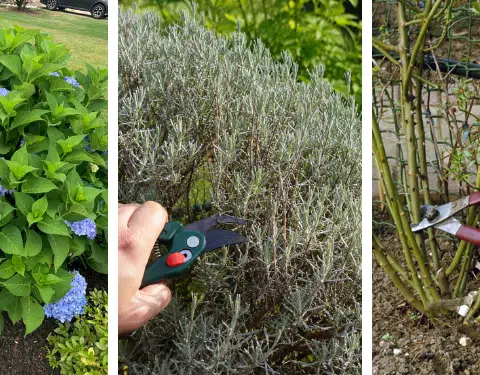
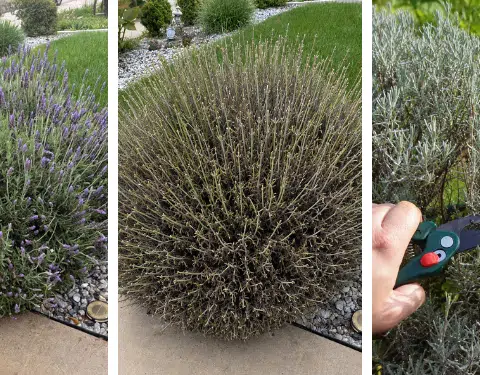
Prune the entire bush back by about one-third of its overall height. Focus on shaping the plant into a tidy “gumdrop” or mound shape.
The “Old Wood” Warning: This is the most critical part: Never cut back into the “old wood” (the thick, brown, leafless part of the stem near the base). Lavender rarely, if ever, regrows from this hardwood. Ensure you leave at least two to three inches of soft, green growth on every stem to act as the “launchpad” for your new flowers.
2. Aerating the “Rhizosphere” (The Root Zone)
Lavender roots are incredibly sensitive to oxygen levels and are prone to “drowning” in compacted soil.
Over the winter, heavy rains and melting snow can pack the earth down tight, essentially “suffocating” the delicate feeder roots.
The Fix:
Use a small hand fork or a specialized aeration tool to gently loosen the top 2 to 3 inches of soil around the drip line (the area directly under the outermost leaves).
Be careful not to dig deep enough to disturb the main root ball. This simple act of aeration allows spring rains to penetrate deeper and ensures the roots have the oxygen required to support the massive energy demands of a heavy bloom.
3. The “Sweeten the Soil” Amendment (pH Adjustment)
Lavender is an “alkaliphile,” meaning it thrives in alkaline soil with a high pH (between 7.0 and 8.0). Most backyard gardens, especially those with high organic matter or pine trees nearby, tend to be slightly acidic.
In acidic soil, lavender enters a state of “nutrient lock,” where it cannot absorb the minerals it needs, no matter how much you water it.
The April Trick:
Before May 1st, sprinkle a handful of garden lime or finely crushed eggshells around the base of the plant. This helps “sweeten” the soil environment.
If you want to be precise, a soil test can tell you exactly how much to add, but for most gardeners, a light dusting of lime in April acts as the “secret key” to unlocking a sudden surge in growth and flower bud initiation.
4. Establishing a “Low-Nitro” Feeding Routine
A common mistake is treating lavender like a vegetable or a lawn. Using high-nitrogen fertilizers (the kind that makes grass green) will backfire.
Nitrogen encourages soft, lush leaf growth which is susceptible to frost and pests, but it actively inhibits flower production.
The Better Choice:
Lavender is a “lean” feeder. If your plant looks like it needs a boost, use a very light application of a high-potash fertilizer (like organic tomato feed or kelp meal).
Potash focuses on the structural strength of the flower spikes and the intensity of the purple pigment. One light feeding in April provides enough “fuel” for the entire summer display.
5. Deep-Cleaning the “Crown” to Prevent Fungal Rot
The “crown” is the center of the plant where all the woody stems meet the soil.
During the autumn and winter, dead leaves, old mulch, and wind-blown debris often collect here, creating a moist, dark environment that is the perfect breeding ground for disease.
The Maintenance Step:
Gently reach into the center of the bush and clear away any accumulated debris. Ensuring that air can circulate freely through the “heart” of the plant is the best defense against Root Rot and Botrytis (gray mold).
A clean, dry crown leads to a healthy, long-lived plant that won’t “split” or die out in the middle.
6. The “Bright Light” Obstruction Assessment
As the sun moves higher in the sky during the transition into May, the shadows in your garden shift significantly.
A spot that seemed sunny in the low light of February might be shaded by a burgeoning tree canopy or a neighbor’s new fence by May.
The Check:
Lavender requires a minimum of 6 to 8 hours of direct, unobstructed sunlight to produce the essential oils that give it that world-famous scent.
If a nearby shrub has overgrown and is casting a shadow on your lavender, prune the neighbor back now. Lavender will “stretch” toward the light; if it’s in the shade, your spikes will be weak, pale, and prone to breaking.
7. Strategic Watering: The “Drought Simulation”
Lavender is a drought-tolerant plant that produces its most potent essential oils when it feels slightly “challenged.” Over-watering in April leads to “lazy” roots that stay near the surface.
The April Strategy:
While the plant needs some moisture to start its spring growth, you must avoid keeping the soil “moist.” Allow the top three inches of soil to dry out completely between waterings.
This “drought simulation” encourages the plant to send its roots deeper into the earth in search of water, creating a resilient bush that can handle a scorching July heatwave without wilting.
8. Transitioning to “Reflective” Stone Mulch
Traditional wood mulch is the enemy of lavender. It holds moisture against the stems (causing rot) and keeps the soil cool—two things a Mediterranean plant finds stressful.
The Professional Trick:
If you have wood mulch around your lavender, scrape it away this April and replace it with white pea gravel, oyster shells, or small light-colored stones. * The Science: Stones provide excellent drainage and do not hold moisture.
More importantly, white stones reflect the sun’s light and heat back up into the underside of the foliage. This creates a “double-sun” effect that speeds up the development of the flower spikes, often leading to an earlier, more uniform, and much more fragrant bloom.
By taking these eight detailed steps before the calendar flips to May, you are providing your lavender with a bespoke Mediterranean “micro-climate.”