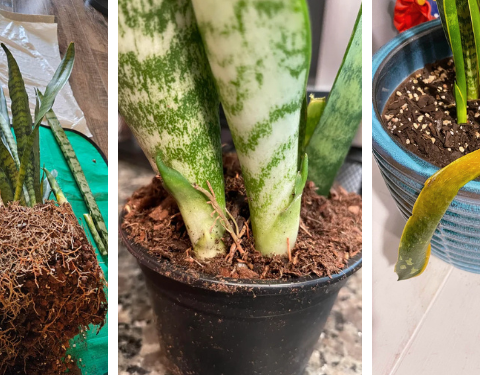
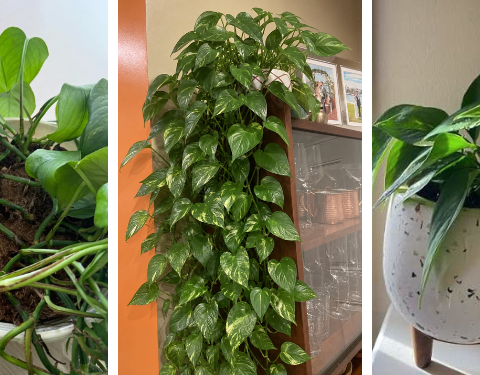
The Christmas Cactus (Schlumbergera) is one of the most beloved houseplants in the world, cherished for its exotic, tiered blooms that defy the winter chill.
However, many gardeners don’t realize that April is the absolute “sweet spot” for propagating this plant.
As the days lengthen and the plant exits its post-winter dormancy, its cellular energy shifts from bloom production to vegetative growth.
If you have a leggy, overgrown cactus or simply want to create a fleet of handmade, living gifts for next holiday season, now is the time to act.
Propagation is not just a way to get “free plants”; it is a vital part of maintaining the health and longevity of your original specimen.
Here is the definitive, step-by-step guide to multiplying your Christmas Cactus this April using the foolproof cutting method.
Why April is the Ideal Month for Propagation
In the natural habitat of the Brazilian rainforest, the Schlumbergera is an epiphyte, growing on tree branches rather than in soil. Its life cycle is governed by light and temperature.
By April, most Christmas Cacti have finished their winter blooming cycle and a brief period of rest. This is when the plant begins to push out new “cladodes” – those flat, leaf-like stem segments.
The hormone levels (auxins) in the plant are at an all-time high in the spring, which triggers rapid root development in cuttings.
Propagating now ensures your new plants have a full six months of growing season to establish a robust root system before the blooming triggers of autumn begin.
The Anatomy of a Christmas Cactus Cutting
Before you reach for your shears, you must understand what you are looking for. Unlike many houseplants, the Christmas Cactus doesn’t have true leaves. It has segmented stems. Each segment is a powerhouse of water storage and chlorophyll.
Identifying the “Y” Shape
When selecting a cutting, look for a stem that is healthy, turgid (not shriveled), and free of pests. The most successful cuttings are those that consist of 3 to 5 segments.
Step 1: The “Clean Snap” Technique
While you can use scissors, the Christmas Cactus is designed to “drop” segments in the wild to propagate itself. A manual snap is often cleaner and heals faster than a crushed cut from dull blades.
-
Selection: Choose a healthy outer stem.
-
The Grip: Hold the main plant steady with one hand. With the other, grasp the stem at the joint where you want to make the break.
-
The Twist: Gently twist the segment. It should snap off cleanly at the joint. A clean break at the “meristem” (the growth tissue between segments) is crucial for successful rooting.
Pro-Tip: Always take more cuttings than you think you need. While this method has a high success rate, having a “backup” ensures a full pot later on.
Step 2: The Critical “Callousing” Period
The biggest mistake beginners make is sticking a fresh, wet cutting directly into the soil. Because the Christmas Cactus is a succulent, the open “wound” is highly susceptible to fungal rot.
The Fix: Place your cuttings on a dry paper towel in a cool, shaded spot for 24 to 48 hours. This allows the break point to form a “callous” – a dry, hardened layer of tissue. This callous acts as a protective barrier against soil-borne pathogens.
Step 3: Choosing the Right Growing Medium
Standard potting soil is often too heavy and retains too much water for a young Schlumbergera. Remember, these plants grow in the “crooks” of trees in the wild, surrounded by leaf litter and bark.
The Ideal Mix:
-
60% Potting Soil
-
40% Perlite or Pumice (for aeration)
-
A handful of Orchid Bark (optional, for texture)
A well-draining mix ensures that the emerging “hair roots” can breathe. Oxygen is just as important as moisture for a new cutting.
Step 4: Planting for Stability and Growth
Once your cuttings are calloused, it is time to pot them up.
-
Pot Selection: Use a small pot (4 inches) with ample drainage holes. Terracotta is excellent for beginners as it “breathes” and prevents overwatering.
-
Depth: Insert the cutting about one inch deep into the soil (roughly half of the bottom segment).
-
Grouping: For a full-looking plant, place 3 to 4 cuttings in the same small pot. This creates a lush, bushy appearance from the start.
-
Tamping: Gently press the soil around the base to ensure the cutting stays upright.
Step 5: The “No-Water” First Week
Counter-intuitively, you should not water your cuttings immediately. They do not have roots yet, so they cannot “drink” the water. Adding water now only increases the risk of rot.
The Strategy: Wait about 7 days before the first light watering. During this week, the cutting will begin to search for moisture, triggering the first microscopic root buds to emerge from the calloused end.
Step 6: Light and Humidity Management
While your new clones are establishing themselves, they need specific environmental conditions:
-
Light: Bright, indirect light. A north or east-facing window is perfect. Direct April sun can “bleach” the segments and dehydrate the cutting before it can root.
-
Temperature: Keep the room between 65°F and 75°F (18°C–24°C).
-
Humidity: If your home is very dry, you can loosely place a clear plastic bag over the pot to create a mini-greenhouse. Ensure there are holes for ventilation so the air doesn’t become stagnant.
How to Know if it Worked: The “Tug Test”
After about 3 to 4 weeks, you will be curious if your propagation was successful. Resist the urge to dig them up! Instead, perform the “Tug Test.”
The Method: Very gently grasp the top of a cutting and give it a tiny upward pull. If you feel resistance, it means roots have taken hold. If the cutting slides right out, it needs more time (or has failed and should be discarded).
Post-Rooting Care: Turning Cuttings into a Specimen
By May or June, your cuttings will likely show new, tiny red or bright green nubs at the tips. This is the sign of successful vegetative growth.
-
Fertilizing: Once you see new growth, start a diluted (half-strength) liquid fertilizer regimen once a month.
-
Pinching: To encourage a “bushier” plant, you can pinch off the very top new segment once the plant has 3 new segments. This forces the plant to branch out into two stems rather than one long, stringy one.
3 Common Mistakes to Avoid
-
Over-potting: Do not put small cuttings into a massive pot. Too much soil stays wet too long, leading to “drowning” the young roots.
-
Deep Planting: Only bury the first segment. If you bury 2 or 3 segments, the buried segments will likely rot.
-
Using Shriveled Cuttings: Always take cuttings from a well-hydrated mother plant. A thirsty cutting has less energy to produce roots.
The Christmas Cactus is a generational plant; many families pass down specimens that are 50 to 100 years old.
By learning the easy cutting method this April, you are not just making more plants – you are ensuring that your favorite variety lives on in new pots, in new homes, and for new generations.