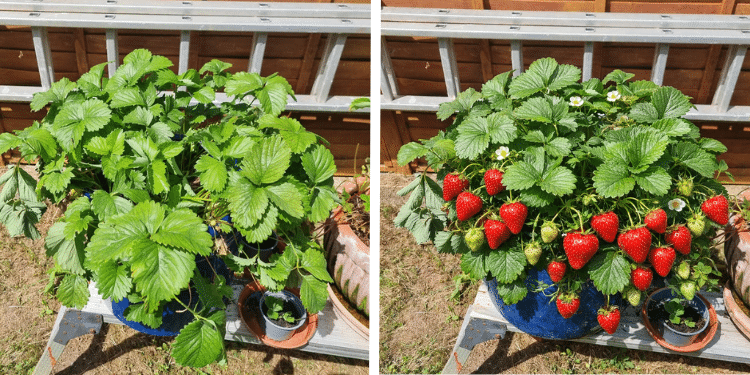
Strawberries are one of the most rewarding crops you can grow – but if you want sweet, juicy, oversized berries, April is the month that determines your success.
As temperatures rise and plants come out of dormancy, strawberries enter a critical growth phase. Roots become active, new leaves form rapidly, and flower buds begin developing.
What you do now directly impacts fruit size, sweetness, yield, and plant health for the entire season.
Why April Is So Important for Strawberries
Strawberries are shallow-rooted plants, which means they respond quickly to environmental conditions.
In April, they:
- Wake up from winter dormancy
- Begin producing new leaves
- Start forming flower buds
- Prepare for fruiting
If conditions are right during this stage, plants will produce:
- Larger berries
- Sweeter fruit
- More consistent harvests
If conditions are poor, the result is often:
- Small, bland berries
- Fewer flowers
- Increased disease risk
This is why April care is not optional – it’s foundational.
1. Clean and Refresh the Strawberry Bed
The first step is resetting your strawberry patch after winter.
Over the colder months, beds often collect:
- Dead leaves
- Old mulch
- Plant debris
These materials can trap moisture and create the perfect environment for fungal diseases.
Start by carefully removing:
- Dead or damaged leaves
- Old runners
- Debris around the base of plants
This improves airflow and allows sunlight to reach the soil.
Once cleared, lightly loosen the top layer of soil. This helps oxygen reach the roots and prepares the bed for new growth.
A clean bed is one of the simplest ways to prevent problems before they start.
2. Feed for Strong Growth and Sweet Fruit
Strawberries are heavy feeders, especially in early spring.
In April, they need nutrients to support:
- Leaf development
- Flower formation
- Fruit production
Use a balanced fertilizer or one slightly higher in potassium, which supports fruit quality and sweetness.
Apply fertilizer around the base of plants, avoiding direct contact with leaves. Water thoroughly afterward to help nutrients reach the roots.
Organic options like compost or well-rotted manure also work well, providing a steady release of nutrients.
Proper feeding at this stage leads to:
- Stronger plants
- Larger berries
- Better flavor
However, avoid excessive nitrogen, as it can lead to lush leaves but fewer fruits.
3. Mulch to Protect and Improve Fruit Quality
Mulching is one of the most important steps for strawberries.
In April, applying mulch helps:
- Retain soil moisture
- Prevent weeds
- Keep berries clean
- Reduce disease
Straw, pine needles, or dry leaves are excellent choices.
Spread a layer around the plants, leaving a small gap around the crown to prevent rot.
As the plants grow and begin producing fruit, this mulch acts as a protective barrier between the berries and the soil.
Without mulch, strawberries can:
- Rot more easily
- Become dirty
- Be exposed to pests
A properly mulched bed leads to cleaner, healthier, and more attractive fruit.
4. Water Consistently for Juicy Berries
Water plays a major role in fruit size and sweetness.
Strawberries need consistent moisture, especially as they begin forming flowers and fruit.
In April:
- Water deeply 1–2 times per week
- Keep soil evenly moist
- Avoid letting it dry out completely
Irregular watering can cause:
- Small berries
- Poor flavor
- Stress on the plant
At the same time, avoid overwatering. Excess moisture can lead to root rot and fungal problems.
The goal is balance – steady, even moisture that supports growth without creating soggy conditions.
5. Remove Early Runners to Boost Fruit Production
Strawberry plants naturally produce runners, which are long stems that grow new plants.
While useful for propagation, runners take energy away from fruit production.
In April, it’s best to:
- Remove early runners
- Focus the plant’s energy on flowering and fruiting
By cutting runners, you encourage the plant to invest more resources into producing larger and sweeter berries.
Once the main fruiting season is over, you can allow runners to develop if you want to expand your patch.
6. Protect Flowers from Frost and Pests
April weather can be unpredictable, especially in cooler regions.
Strawberry flowers are sensitive to frost. If temperatures drop suddenly, flowers can be damaged, which directly reduces fruit production.
To protect your plants:
- Cover them with fabric or fleece during cold nights
- Remove covers during the day
Pests also become more active in spring. Slugs, insects, and birds may target young plants and flowers.
Using natural methods like:
- Mulch
- Companion planting
- Physical barriers
…can help reduce damage without harsh chemicals.
Protecting flowers ensures that each one has the chance to develop into a healthy berry.
Additional Tips for Sweeter Strawberries
Give Plenty of Sunlight
Strawberries need full sun to develop sweetness. At least 6–8 hours of sunlight daily is ideal.
Space Plants Properly
Crowded plants compete for nutrients and airflow. Proper spacing improves both growth and fruit quality.
Choose the Right Variety
Some varieties are naturally sweeter or larger. Selecting the right type can enhance your results.
Common Mistakes to Avoid
One of the most common mistakes is neglecting early-season care. Waiting too long to clean, feed, or mulch can limit the plant’s potential before fruiting even begins.
Overwatering is another issue. While strawberries need moisture, too much water can damage roots and reduce flavor.
Ignoring runners can also reduce yield. Allowing too many runners to grow divides the plant’s energy.
Finally, poor sunlight exposure leads to smaller, less flavorful berries.
What to Expect After Proper April Care
When strawberries receive the right care in April, the results become visible within weeks.
Plants grow stronger and fuller. Flower production increases, and berries begin forming more consistently.
As the season progresses, you’ll notice:
- Larger fruit
- Better color
- Improved sweetness
The difference between average strawberries and exceptional ones often comes down to how well they were cared for in early spring.
USDA Zone Considerations
In cooler zones (3–5), April may still bring frost risks. Focus on protection and wait until soil warms before heavy feeding.
In moderate zones (6–8), April is the ideal time for all major care tasks.
In warmer zones (9–11), strawberries may already be flowering or fruiting, so watering and protection become more important.
Strawberries are simple to grow, but producing sweet, large, and abundant fruit requires attention at the right time.