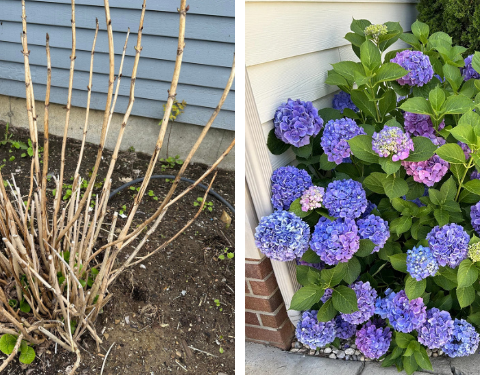
Flowers do far more than make a garden look pretty. The right flowering plants can actively improve your garden’s health, productivity, and ecological balance.
Some flowers repel pests, others attract pollinators and beneficial insects, some protect soil, and others support birds and small wildlife.
A well-chosen mix of beneficial flowers can turn an ordinary garden into a resilient, living ecosystem.
Many experienced gardeners now design beds that blend vegetables, herbs, and flowers together – not separately – because flowers often provide functional services that increase yields and reduce problems naturally.
Pest-Reducing & Protective Flowers
Marigold – Natural Pest Pressure Reducer
Marigolds are one of the most widely used companion flowers in vegetable gardens. Their roots release compounds that affect certain soil pests, and their scent helps confuse or deter some above-ground insects.
Garden benefits:
- Helps reduce aphids and whiteflies pressure
- Certain varieties suppress nematodes
- Attracts beneficial insects
- Excellent vegetable bed border plant
Best used throughout vegetable beds – not just one plant in a corner.
Chrysanthemum – Source of Natural Insecticidal Compounds
Chrysanthemums contain pyrethrins, compounds used in many natural insect-control products. While the plant itself isn’t a full pest shield, it contributes to a pest-resistant garden environment.
Garden benefits:
- Contains natural insect-defense chemicals
- Adds late-season nectar
- Supports beneficial insect diversity
Best placed near crop edges and mixed borders.
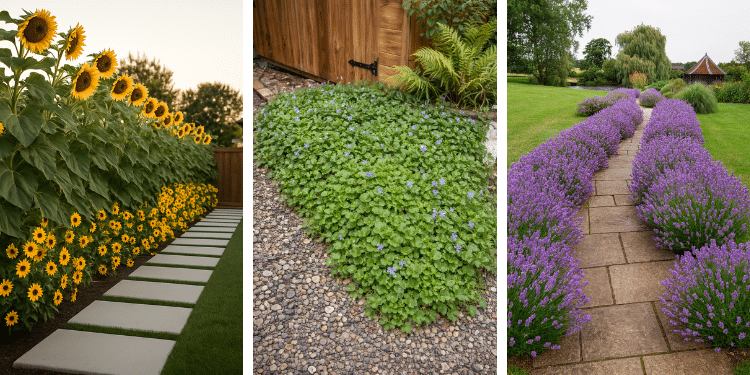
Lavender – Pollinator Magnet + Mild Deterrent
Lavender attracts bees heavily while its strong aroma may help reduce visits from mosquitoes and moths near seating areas.
Garden benefits:
- Strong bee attractor
- Fragrant border plant
- Drought tolerant
- Useful near patios and paths
Works best in sunny, dry, well-drained spots.
Pollinator Powerhouse Flowers
Sunflower – Pollinators, Birds, and Soil Support
Sunflowers are ecological multitaskers. They feed pollinators, produce seeds for birds, and develop deep roots that help open compacted soil.
Garden benefits:
- Excellent pollinator support
- Bird food source
- Root channels improve soil structure
- Light shade for heat-sensitive crops
Plant on the north side of beds to avoid shading vegetables.
Daisy – Beneficial Insect Attractor
Daisy-type flowers provide easy landing platforms for small beneficial insects such as hoverflies and parasitic wasps.
Garden benefits:
- Supports predator insects
- Adds long bloom windows
- Easy-care perennial options available
Ideal in mixed borders and pollinator strips.
Iris – Bees + Soil Stabilization
Irises attract bees and have dense root systems that help stabilize soil – especially near slopes, borders, and pond edges.
Garden benefits:
- Early pollinator support
- Soil-holding root systems
- Good erosion-control flower
Excellent near water features and bed edges.
Lilac – Early Nectar Source
Lilac blooms early and heavily, providing one of the first large nectar sources of the season.
Garden benefits:
- Early pollinator feeding
- Strong fragrance
- Shrub structure for habitat
Best as a background shrub near garden edges.
Wildlife & Habitat Support Flowers
Rose – Bees + Wildlife Food
Single and semi-double roses are excellent for pollinators, and rose hips provide fall and winter food for birds and wildlife.
Garden benefits:
- Bee-friendly blooms
- Rose hips feed birds
- Thorny shelter for small animals
Choose less-double varieties for pollinator access.
Bougainvillea – Protective Cover + Pollinator Support
In warm climates, bougainvillea provides dense, thorny shelter for small wildlife while attracting pollinators.
Garden benefits:
- Habitat protection
- Long bloom season
- Heat and drought tolerant
Best for fences and perimeter structures.
Bird of Paradise – Bird Pollinator Plant (Warm Zones)
Bird of Paradise flowers are shaped specifically for bird pollination and support nectar-feeding birds in suitable climates.
Garden benefits:
- Bird pollinator support
- Architectural structure
- Long-lived ornamental
Suitable for tropical and subtropical gardens.
Early-Season Pollinator Lifelines
Tulips & Daffodils – Early Spring Fuel
Early bulbs provide nectar when pollinators first emerge and food sources are scarce.
Garden benefits:
- Early nectar
- Seasonal color
- Low maintenance once planted
Plant in clusters for stronger pollinator visibility.
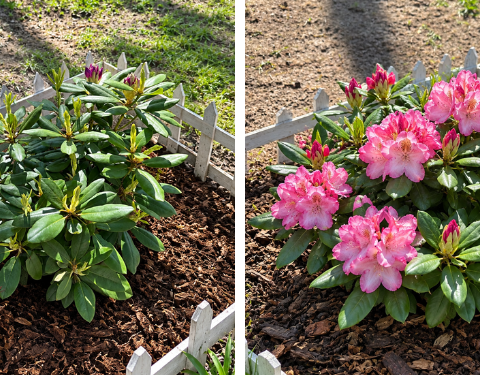
Azalea – Early Shrub Nectar
Azaleas bloom early and feed early-season pollinators while adding shrub-layer diversity.
Garden benefits:
- Early nectar source
- Shade-tolerant options
- Woodland garden support
Best in acidic soils.
Pansy – Edible + Early Nectar
Pansies tolerate cool weather and provide early nectar while also being edible flowers.
Garden benefits:
- Cold-season bloom
- Edible garnish
- Container-friendly
Great for early containers and borders.
Groundcover & Fragrance Benefit Flowers
Violet – Living Groundcover
Violets protect soil, conserve moisture, and provide small pollinator support close to the ground.
Garden benefits:
- Soil moisture retention
- Weed suppression
- Early nectar
Excellent under shrubs and trees.
Jasmine – Night Pollinator Support
Jasmine attracts night pollinators like moths and adds strong fragrance near living spaces.
Garden benefits:
- Night insect support
- Fragrance zones
- Climbing coverage
Best near seating areas and trellises.
Hardy Outdoor Orchids – Specialized Pollinator Support
Some hardy orchid species support specialized native pollinators and add biodiversity value in suitable regions.
Garden benefits:
- Native ecosystem support
- Unique pollinator relationships
- Conservation value
Best for native plant gardens.
How to Use Beneficial Flowers Strategically
For maximum garden benefit:
- Mix flowers inside vegetable beds – not only borders
- Plant in clusters, not single specimens
- Choose staggered bloom times
- Include early + mid + late bloomers
- Combine pest-reducers + pollinator plants
- Use groundcovers under tall crops
- Add flowering shrubs at edges
Diversity creates resilience.
Flowers are not decoration – they are functional garden tools. Marigolds reduce pest pressure. Lavender and lilac feed pollinators.
Sunflowers support birds and soil. Nasturtium, iris, daisies, roses, violets, and others build a living support system around your crops.