Overwatering is the number one reason houseplants die, yet it’s also the mistake made with the best intentions. Water feels like care.
Dry soil feels like neglect. So people water – again and again – until roots quietly rot below the surface.
The truth is simple but often misunderstood: not all houseplants want the same moisture. Some evolved in dry, airy environments and hate sitting in wet soil.
Others naturally grow in swamps, rainforests, or along riverbanks and struggle when soil dries out too much.
If you’ve ever wondered why one plant thrives while another collapses under the same care, watering is usually the reason.
What “Wet Feet” Really Means for Plants
“Wet feet” doesn’t mean watering often. It means roots sitting in waterlogged soil with little oxygen.
Healthy soil contains tiny air pockets. When soil stays saturated:
- Oxygen is pushed out
- Roots suffocate
- Beneficial microbes die
- Harmful bacteria and fungi thrive
Even plants that like moisture still need oxygen at the root level. The difference lies in how long soil stays wet and how roots are adapted to handle it.
5 Houseplants That Hate Wet Feet
These plants prefer soil that dries out between waterings. Keeping them constantly moist leads to yellow leaves, mushy stems, and root rot.
1. Snake Plant (Sansevieria / Dracaena trifasciata)
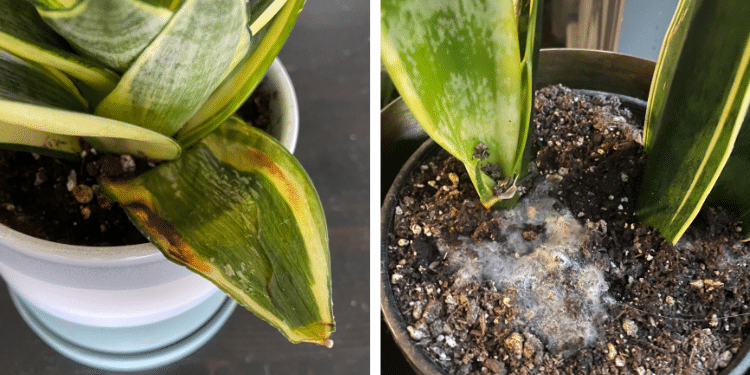
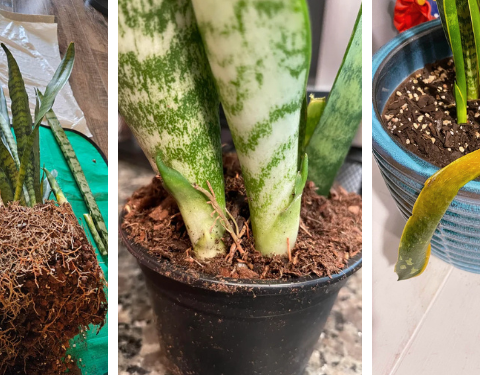
Snake plants are famous for being “hard to kill,” but overwatering is how most people manage it.
Native to dry regions of Africa, snake plants store water in thick leaves and rhizomes. Their roots are adapted to short bursts of moisture followed by dryness.
When soil stays wet:
- Roots rot quickly
- Leaves become soft at the base
- The plant collapses suddenly
Snake plants prefer their soil to dry almost completely before watering again. In winter, they may need water only once every few weeks.
Rule: If the soil is still damp, don’t water – no matter how long it’s been.
2. ZZ Plant (Zamioculcas zamiifolia)
ZZ plants are another drought-adapted species that suffers badly from wet feet.
They store water in thick underground rhizomes that act like reservoirs. Constant moisture causes these rhizomes to rot silently.
Signs of overwatering include:
- Yellowing leaves
- Sudden leaf drop
- Soft, mushy stems near the soil
ZZ plants do best when watered sparingly and allowed to dry out fully between waterings. They tolerate drought far better than excess moisture.
3. Jade Plant (Crassula ovata)
Jade plants are succulents, even though they look more like small trees.
Their fleshy leaves are designed to hold water for long periods. Wet soil overwhelms their roots, especially in cool or low-light conditions.
Overwatering leads to:
- Leaf drop
- Wrinkled or translucent leaves
- Blackened stems
Jade plants need fast-draining soil and infrequent watering. Moist soil should never linger.
4. Aloe Vera
Aloe is often overwatered because people treat it like a leafy houseplant instead of a desert succulent.
Its roots are shallow and sensitive. In wet soil, they rot quickly, even if the leaves look healthy at first.
Aloe prefers:
- Bright light
- Dry soil between waterings
- Excellent drainage
Watering should always be light and infrequent, especially in winter.
5. Pothos (Yes, Really)
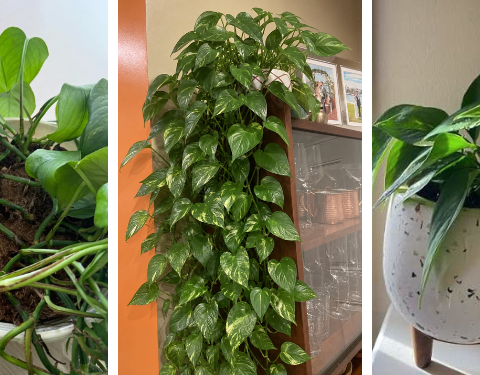
Pothos is often listed as a water-loving plant, but that reputation is misleading.
While pothos tolerates occasional overwatering, it does not like sitting in wet soil long-term. Constant moisture leads to root rot and yellow leaves.
Pothos prefers soil that dries out slightly between waterings. It recovers quickly from dryness but slowly from soggy roots.
5 Houseplants That Love Moist Soil
These plants evolved in environments where soil stays consistently damp. Letting them dry out too much causes stress, leaf browning, or collapse.
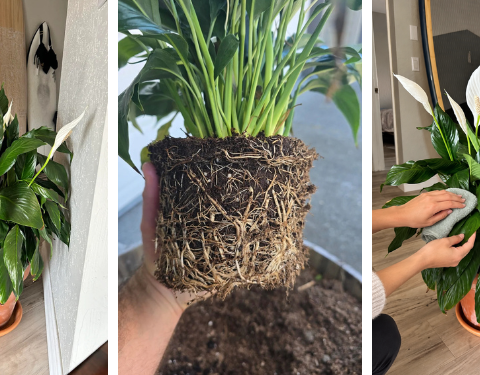
1. Peace Lily (Spathiphyllum)
Peace lilies are famous for dramatic drooping when thirsty – and quick recovery when watered.
They naturally grow in tropical forest floors where soil stays evenly moist but not stagnant.
Peace lilies like:
- Consistently moist soil
- Good drainage
- Regular watering
Letting them dry out repeatedly causes leaf tip browning and reduced flowering. However, they still dislike standing water in saucers.
2. Calathea (Prayer Plants)
Calatheas are among the most misunderstood houseplants.
They come from humid rainforest environments and have delicate root systems that hate drying out.
Dry soil leads to:
- Crispy leaf edges
- Curling leaves
- Stalled growth
Calatheas prefer evenly moist soil at all times, high humidity, and filtered light. Inconsistent watering causes more damage than consistent moisture.
3. Ferns (Boston Fern, Maidenhair, etc.)
Most true ferns are moisture lovers.
They evolved in shaded, damp forest environments where soil rarely dries completely.
Ferns need:
- Constant moisture
- High humidity
- Well-draining but water-retentive soil
Letting ferns dry out – even once – can cause widespread leaf drop. However, they still require drainage; soggy, stagnant soil is harmful.
4. Fittonia (Nerve Plant)
Fittonia is small, dramatic, and completely intolerant of dry soil.
Its thin leaves lose moisture quickly, and the plant wilts fast when soil dries. Unlike succulents, it has no water reserves.
Fittonia thrives with:
- Consistently moist soil
- High humidity
- Gentle, frequent watering
Drying out repeatedly weakens the plant and leads to leaf loss.
5. Papyrus and Umbrella Plant (Cyperus)
These plants truly love wet feet.
Papyrus naturally grows along riverbanks and wetlands. It can tolerate standing water and even grow partially submerged.
For Cyperus:
- Soil should never fully dry
- Constant moisture is ideal
- Shallow trays of water are often beneficial
This is one of the rare houseplants where overwatering is rarely the problem.
Why One Watering Schedule Never Works
A common mistake is watering all houseplants on the same schedule.
Different plants vary in:
- Root structure
- Water storage ability
- Native climate
- Growth speed
Watering by habit instead of by soil condition is what causes most problems.
How to Tell If You’re Overwatering or Underwatering
Symptoms often look similar, which adds to confusion.
Overwatering signs:
- Yellow leaves
- Mushy stems
- Foul-smelling soil
- Slow growth
Underwatering signs:
- Wilting
- Crispy edges
- Leaf curling
- Dry, pulling-away soil
The key difference is soil moisture. Always check the soil before reacting.
The Importance of Drainage Holes
No plant – wet-loving or drought-tolerant – should sit in a pot without drainage.
Drainage holes:
- Prevent water accumulation
- Allow oxygen into soil
- Protect roots from rot
Even moisture-loving plants need excess water to escape.
How Pot Size Affects Watering Problems
Overpotting is a hidden cause of overwatering.
Large pots hold more soil, which stays wet longer. Roots struggle to dry out, even if watering is infrequent.
Many plants prefer to be slightly root-bound because soil dries more evenly.
Seasonal Watering Changes Matter
Plants use less water in:
- Winter
- Low light
- Cool temperatures
Watering at summer frequency during winter causes root rot, especially in plants that hate wet feet.
Always adjust watering to light and temperature – not the calendar.
Why Roots Matter More Than Leaves
Leaves show stress, but roots determine survival.
Healthy roots are:
- Firm
- Light-colored
- Smell clean
Rotting roots are:
- Brown or black
- Mushy
- Smell sour
By the time leaves show severe symptoms, root damage is often advanced.
How to Fix Overwatered Plants
If caught early:
- Stop watering immediately
- Improve drainage
- Increase light and airflow
If severe:
- Remove plant from pot
- Trim rotted roots
- Repot in fresh, dry soil
Not all plants can recover, which is why prevention matters most.
Why Moisture-Loving Plants Still Need Balance
Even plants that love moisture do not want stagnant water.
They prefer:
- Moist but oxygen-rich soil
- Consistent hydration
- Good airflow
Wet does not mean suffocating.
The Golden Rule of Watering
There is no universal rule – except this one:
Water the soil, not the calendar.
Learn each plant’s preference, check soil moisture regularly, and adjust with the seasons.
Most houseplant problems aren’t caused by neglect – they’re caused by too much love in the form of water.