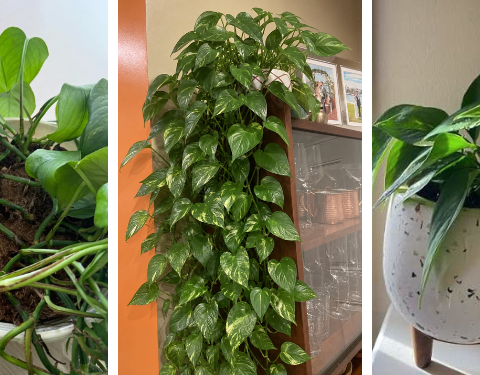
The peace lily is one of the most beloved houseplants in the world, known for its elegant white blooms and deep green leaves.
While it’s often praised as easy to care for, January is a critical month that quietly determines whether your peace lily will produce strong new flowers later in the year – or remain leafy without blooming.
Many peace lilies stop flowering not because they are unhealthy, but because winter care doesn’t support their natural growth rhythm.
January is not about forcing blooms right now. It’s about creating the conditions that trigger flower production in the months ahead.
These six January care steps help your peace lily rest, rebuild energy, and prepare for its next flowering cycle.
Why January Care Matters So Much for Peace Lilies
Peace lilies are tropical plants that thrive in warm, humid environments with steady light. In winter, indoor conditions change dramatically:
- daylight hours are shorter
- air is drier from heating
- temperatures fluctuate
- growth slows
If the plant becomes stressed during January, it will focus on survival instead of flower production later.
Proper winter care keeps the plant balanced and signals that it’s safe to bloom when conditions improve.
Step 1: Adjust Watering to Winter Needs (But Don’t Let It Dry Out)
Peace lilies are sensitive to water changes. In January, their water use slows, but they still dislike drying out completely.
The key is balanced moisture:
- keep soil lightly moist
- allow the top inch to dry before watering
- never let the pot sit in standing water
Overwatering in winter leads to root stress and fungal problems, while underwatering causes leaf droop and weak growth.
A consistent, gentle watering routine supports healthy roots – the foundation of flowering.
Step 2: Give Bright, Indirect Light Every Day
Light is one of the most important triggers for peace lily flowering. While peace lilies tolerate low light, they rarely bloom without sufficient brightness.
In January:
- move the plant closer to a window
- provide bright, indirect light
- avoid direct winter sun on leaves
East- or north-facing windows work well. If natural light is very limited, supplemental grow lights can help maintain energy levels.
Without enough light in winter, the plant may look healthy but fail to flower later.
Step 3: Keep Temperatures Warm and Stable
Peace lilies dislike cold air and sudden temperature shifts. January drafts from windows, doors, or heating vents can silently stress the plant.
Ideal winter temperatures:
- daytime: comfortable room temperature
- nighttime: slightly cooler but stable
- no exposure to cold drafts
Avoid placing peace lilies near exterior doors or uninsulated windows. Stable warmth allows the plant to conserve energy instead of repairing cold damage.
Step 4: Increase Humidity Gently
Dry winter air is one of the biggest obstacles to peace lily flowering. Low humidity causes:
- brown leaf tips
- slowed growth
- stress that delays blooms
In January, support humidity by:
- placing the plant near other plants
- using a humidity tray
- keeping it away from heaters
Peace lilies do not need misting every day, but they benefit from consistently moist air. Humidity supports healthy leaves and encourages bud development later.
Step 5: Hold Off on Fertilizer Until Late Winter
Fertilizing in January is a common mistake. Peace lilies are not actively growing now, and excess nutrients can damage roots.
In January:
- do not fertilize
- allow the plant to rest
- focus on stability
Fertilizer should resume lightly in late winter or early spring when new growth appears. Feeding too early often results in lush leaves but no flowers.
Step 6: Keep Leaves Clean and Stress-Free
Dust reduces light absorption, which is already limited in winter. Peace lilies rely heavily on efficient photosynthesis during low-light months.
In January:
- gently wipe leaves with a damp cloth
- remove yellowing or damaged leaves
- inspect the base for signs of rot
Clean, healthy leaves help the plant store energy – energy that will later be used to produce flowers.
Why Peace Lilies Don’t Bloom After Winter (And How January Fixes That)
Many peace lilies fail to bloom because winter care focuses on survival instead of preparation. When January conditions are poor, the plant enters spring already depleted.
Proper January care:
- protects root health
- maintains leaf strength
- prevents stress accumulation
- supports hormone balance
This sets the stage for flower spikes to form once light and warmth increase.
Common January Mistakes That Prevent Flowers
Avoid these habits in winter:
- placing the plant in very low light
- overwatering “to help it grow”
- fertilizing too early
- exposing it to cold drafts
- repotting during dormancy
Each of these interrupts the flowering cycle long before buds appear.
Should You Repot Peace Lilies in January?
In most cases, no. Peace lilies prefer to be slightly root-bound to flower. Repotting in January adds stress and delays blooming.
If repotting is necessary due to root rot or severely compacted soil, wait until:
- late winter or early spring
- new growth is visible
January should focus on recovery, not disruption.
Signs Your Peace Lily Is on Track to Bloom
A peace lily prepared for future blooms will show:
- firm, upright leaves
- rich green color
- steady but slow growth
- no widespread yellowing
New flowers may not appear until spring or early summer – but January determines whether they appear at all.
How Long After Winter Do Flowers Appear?
If January care is done correctly, peace lilies often begin producing flower stalks:
- late winter
- early spring
- or as daylight increases
Patience is essential. Peace lilies bloom when conditions feel stable and supportive, not when they’re rushed.
January is a quiet but powerful month for peace lily care. While flowers may not appear right now, this is when the plant decides whether it will bloom later.