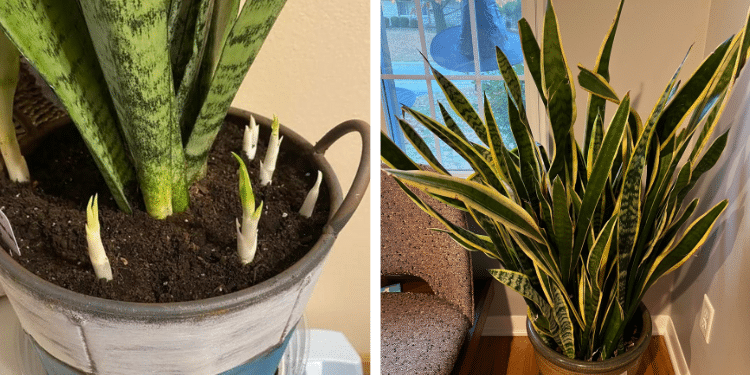
The snake plant is famous for being tough, forgiving, and nearly indestructible. But January is a critical month that quietly determines how strong, fast, and healthy your snake plant will grow for the rest of the year.
While this plant tolerates neglect, intentional winter care can significantly boost spring and summer growth.
Because snake plants slow down during winter, many people assume there’s nothing to do. In reality, January is about protecting roots, optimizing light, and preventing hidden stress.
These five winter habits help your snake plant store energy, avoid damage, and prepare for vigorous growth when warmer months arrive.
Why January Care Matters for Snake Plants
Snake plants (Sansevieria/Dracaena trifasciata) are native to warm regions of Africa, where growth slows during cooler, drier periods. Indoors, winter mimics this cycle.
January is not about forcing growth – it’s about preserving strength.
Mistakes made now often show up later as:
- slow or stalled growth
- yellowing leaves
- weak root systems
- soft or rotting bases
Good January habits keep the plant stable, which is the foundation for faster growth later.
1. Water Less Than You Think (Roots Need Dry Time)
Overwatering is the single biggest winter killer of snake plants. In January, growth is minimal, meaning roots use very little moisture. Soil that stays damp too long leads to rot – often before leaves show symptoms.
In winter, snake plants prefer:
- completely dry soil between watering
- lighter, less frequent watering
- excellent drainage
In most homes, watering every 3–5 weeks is enough in January. Always check soil depth, not just the surface. Dry soil protects roots and encourages stronger growth when watering resumes in spring.
2. Maximize Light Exposure (Even Low-Light Plants Need It)
Snake plants tolerate low light, but tolerance is not the same as preference. In January, daylight hours are short, and light intensity is weak.
Placing your snake plant in the brightest indirect light available helps it maintain energy reserves.
Best winter light conditions:
- near a bright window (not touching glass)
- filtered sunlight
- consistent daily exposure
Insufficient light in winter doesn’t kill snake plants – but it weakens them. Proper light now supports thicker leaves and faster growth later.
3. Keep Temperatures Stable and Away From Drafts
Snake plants dislike temperature swings more than cool temperatures themselves. January often brings drafts from doors, windows, and heating systems, which stress the plant silently.
Ideal winter conditions include:
- steady room temperatures
- no cold drafts
- no hot air from vents
Avoid placing snake plants near exterior doors or heaters. Stable temperatures prevent leaf curling, discoloration, and slowed metabolism.
4. Skip Fertilizer Completely in January
Fertilizing during winter does not speed growth – it does the opposite. In January, snake plants are not actively growing, and unused nutrients accumulate in soil, damaging roots.
January fertilizer mistakes can cause:
- salt buildup
- weak, stretched growth
- root burn
The healthiest habit is no fertilizer at all until late spring. Allow the plant to rest. Strong growth comes from timing, not feeding.
5. Clean Leaves and Check for Hidden Stress
Dust buildup is common in winter when windows stay closed. Dust blocks light absorption, which snake plants rely on heavily during low-light months.
In January:
- wipe leaves gently with a damp cloth
- remove dust and debris
- inspect the base for softness
Clean leaves photosynthesize more efficiently, helping the plant maintain energy. Regular checks also catch early signs of overwatering or pests before damage spreads.
Why Snake Plants “Grow Faster” After Good Winter Care
Snake plants don’t grow much in January – but they prepare. Healthy roots, clean leaves, stable temperatures, and dry soil allow the plant to store energy.
When spring arrives:
- roots are intact
- leaves are firm
- growth resumes quickly
Plants stressed in winter spend spring repairing damage instead of growing. Winter habits determine how strong that growth will be.
Common January Mistakes That Slow Growth
Even experienced plant owners make these errors in winter:
- watering on a schedule instead of by soil dryness
- keeping plants in dark corners all winter
- placing pots near heaters
- fertilizing too early
- repotting during dormancy
Avoiding these mistakes is often more important than doing anything extra.
Should You Repot Snake Plants in January?
No. January is the worst time to repot unless there is an emergency (such as rot or broken pots). Snake plants prefer to be slightly root-bound, and winter repotting causes unnecessary stress.
If repotting is needed, wait until:
- late spring or early summer
- active growth is visible
- temperatures are warmer
January is about stability, not change.
Signs Your Snake Plant Is Happy in January
A healthy winter snake plant will show:
- firm, upright leaves
- no yellowing or mushy bases
- slow but steady appearance
- rich, even leaf color
New growth may not appear yet – that’s normal. Strength comes first, growth follows.
How January Care Affects the Rest of the Year
Snake plants that are cared for correctly in January:
- grow faster in spring
- produce thicker, stronger leaves
- resist pests and rot
- maintain better shape
Winter habits act like a reset button. Strong plants don’t happen by accident – they’re built quietly during slower months.
Snake plants may be low-maintenance, but January care still matters.
By watering less, maximizing light, avoiding fertilizer, stabilizing temperature, and keeping leaves clean, you give your plant exactly what it needs during winter.