Turmeric has been used in cooking and healing traditions for thousands of years, yet many people still wonder: does heating turmeric destroy its benefits, or make it stronger?
The answer is surprising. When turmeric is heated correctly, it often becomes more effective, not less.
The key lies in curcumin, the compound responsible for turmeric’s powerful anti-inflammatory and antioxidant effects.
Curcumin is beneficial, but it’s also difficult for the body to absorb. Heat plays an important role in changing that.
Why Curcumin Is Powerful but Hard to Absorb
Curcumin has impressive health properties, but it comes with challenges:
- It doesn’t dissolve well in water
- The body breaks it down quickly
- Only a small amount is absorbed when eaten raw
This means that sprinkling raw turmeric onto food may provide very little benefit, even if you use a lot.
What Heat Actually Does to Turmeric
When turmeric is gently heated, several helpful things happen at once.
First, curcumin becomes more soluble, especially when heat is combined with fat. This makes it easier for your body to absorb.
Second, heat breaks open turmeric’s plant cells, releasing curcumin and related compounds so they’re more available during digestion.
Third, heating helps stabilize curcumin so it survives longer in the digestive system instead of being quickly broken down.
In simple terms: moderate heat makes turmeric more usable by the body.
Why Traditional Cooking Always Used Heat
Turmeric has almost never been used raw in traditional cuisines. In Indian, Middle Eastern, and Southeast Asian cooking, turmeric is usually:
- Cooked
- Heated with oil or fat
- Simmered gently, not burned
These methods weren’t accidental. They naturally increased turmeric’s effectiveness long before modern science understood why.
Traditional cooking quietly solved turmeric’s absorption problem.
The Importance of Fat When Heating Turmeric
Curcumin is fat-soluble, which means it needs fat to be absorbed properly.
When turmeric is heated in oil, butter, ghee, or coconut milk:
- Curcumin binds to fat molecules
- It passes through the gut more easily
- It stays active longer in the body
This is why turmeric cooked in oil works far better than turmeric added raw at the end of a meal.
Heat Helps – But Too Much Heat Can Hurt
Not all heat is beneficial.
Gentle heating helps curcumin. High heat for too long can damage it.
Curcumin begins to break down if turmeric is burned, dry-fried, or exposed to very high temperatures for extended periods.
The best approach is:
- Low to medium heat
- Short cooking time
- Always with oil or liquid
Think warming, not scorching.
Does Heating Reduce Turmeric’s Health Benefits?
No – moderate heat does not destroy turmeric’s benefits.
In fact, heating often makes turmeric more effective because the body absorbs more curcumin from cooked turmeric than raw turmeric.
Some supporting compounds in turmeric also become more active after gentle heating, adding to its overall benefits.
Why Black Pepper Still Matters
Heating improves curcumin absorption, but it doesn’t solve everything on its own.
Black pepper contains piperine, which dramatically increases how much curcumin stays active in the body.
Piperine slows down curcumin’s breakdown and allows it to circulate longer.
This is why traditional recipes often combine:
- turmeric
- fat
- black pepper
Together, they form one of the most effective natural combinations for curcumin absorption.
Turmeric Tea vs. Cooked Turmeric
Turmeric tea made with hot water extracts some compounds, but curcumin doesn’t dissolve well in water alone.
That’s why turmeric tea works much better when fat is added, such as:
- milk
- plant-based milk
- coconut oil
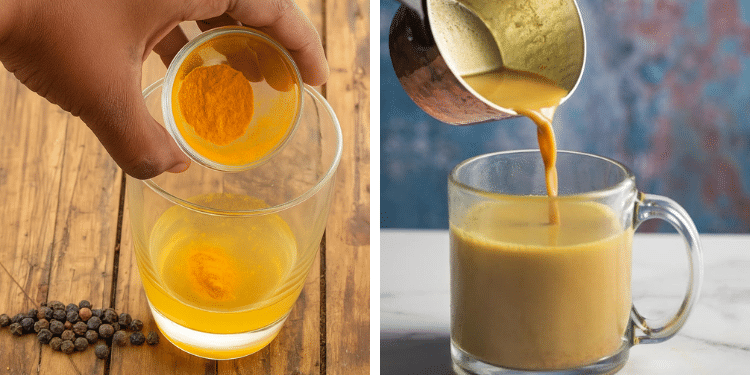
This is also why golden milk has remained popular for centuries – it uses heat, fat, and spices together.
Why Modern Supplements Copy Heat-Based Methods
Many turmeric supplements are designed to mimic what heating does naturally. They use:
- heat-processed extracts
- fat-bound curcumin
- absorption enhancers
In other words, modern supplements are trying to recreate what traditional cooking already perfected.
Best Ways to Heat Turmeric at Home
The most effective everyday methods include:
- Gently sautéing turmeric in oil
- Adding it to soups and stews
- Warming it in milk or plant milk
- Simmering it slowly with spices
Avoid burning or dry roasting.
Why Heated Turmeric Works Better in Real Life
Most people don’t consume turmeric in large medicinal doses. They use small amounts in daily meals.
Heating ensures that even small, realistic amounts of turmeric actually provide benefits. This makes turmeric practical, sustainable, and effective long-term.
Heat doesn’t weaken turmeric – it activates it, when done correctly.