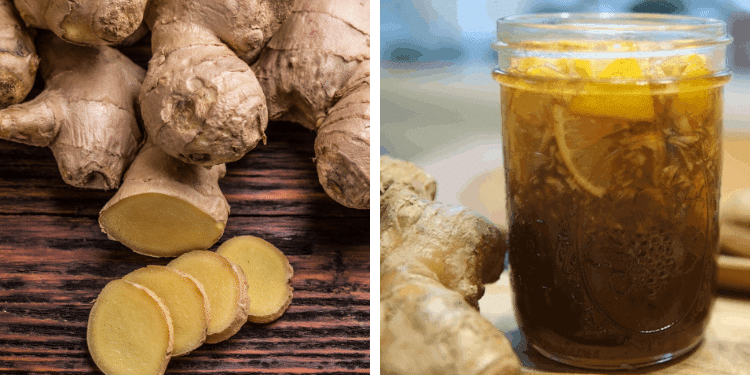
Ginger is one of the world’s most powerful natural remedies. For thousands of years, people have used it to relieve nausea, boost digestion, reduce inflammation, and support immunity.
It’s packed with antioxidants and active compounds like gingerol and shogaol, which have impressive medicinal effects.
But while ginger is incredibly beneficial for most people, it isn’t safe for everyone. Like many herbs and natural supplements, ginger can interact with certain medications – sometimes intensifying their effects, sometimes making them weaker, and sometimes raising the risk of dangerous side effects.
If you take specific prescription drugs, even moderate amounts of ginger tea, ginger shots, supplements, or concentrated ginger extracts may cause problems.
Why Ginger Interacts With Certain Medications
Ginger affects:
- Blood thinning
- Stomach acids
- Blood sugar regulation
- Blood pressure
- Platelet function
- Liver metabolism of medications
- Inflammatory pathways
These effects are normally helpful, but when combined with certain drugs, they can amplify or disrupt how your medication works.
That’s why it’s important to know when ginger is safe – and when it isn’t.
Below are the main categories of medications that may interact with ginger.
1. Blood Thinners (Anticoagulants)
Ginger naturally thins the blood. It helps prevent clotting and improves circulation, which is why it’s often recommended for heart health.
However, when combined with prescription blood thinners, ginger may thin the blood too much, increasing the risk of:
- Bruising
- Internal bleeding
- Nosebleeds
- Excessive bleeding from minor cuts
- Gastrointestinal bleeding
Medications in this group:
- Warfarin (Coumadin)
- Apixaban (Eliquis)
- Rivaroxaban (Xarelto)
- Dabigatran (Pradaxa)
- Heparin
- Enoxaparin (Lovenox)
Why the interaction occurs:
Ginger inhibits thromboxane and reduces platelet aggregation – the same function many blood thinners target.
What to avoid:
- Ginger tea daily
- Ginger shots
- Ginger supplements
- High-dose ginger candies or chews
Small amounts of ginger in food are typically fine, but medicinal amounts should be avoided unless approved by your doctor.
2. Antiplatelet Medications (for Heart Attack & Stroke Prevention)
These medications prevent platelets from sticking together.
Drugs in this category:
- Aspirin
- Clopidogrel (Plavix)
- Ticagrelor (Brilinta)
- Prasugrel (Effient)
Why it’s risky:
Ginger ADDITIONALLY reduces platelet stickiness, which can cause blood to become too thin.
If you’re on heart-protection medication, ginger supplements may dramatically increase bleeding risk – especially in people over 60.
Avoid:
- Daily ginger tea
- Ginger capsules
- Ginger tinctures or extracts
Small culinary amounts are usually safe.
3. Diabetes Medications
Ginger helps lower blood sugar naturally – which is a benefit for many, but a risk if you take glucose-lowering medications.
When combined with diabetes drugs, ginger may cause:
- Hypoglycemia (dangerously low blood sugar)
- Dizziness
- Sweating
- Confusion
- Fainting
- Rapid heartbeat
Medications to be cautious with:
- Metformin
- Insulin injections
- Glipizide
- Glyburide
- Glimepiride
- Sitagliptin
- Januvia, Jardiance, Ozempic (risk varies by type)
Why it’s a problem:
Both ginger and these medications lower glucose – so the combined effect can drop your levels too far.
Avoid:
High-dose ginger or supplements. Small amounts in meals are generally safe.
4. Blood Pressure Medications
Ginger naturally lowers blood pressure and improves circulation. But combined with antihypertensive medications, ginger may cause:
- Blood pressure dropping too low
- Dizziness
- Fainting spells
- Fatigue
- Irregular heartbeat
Common medications in this category:
- Amlodipine
- Lisinopril
- Losartan
- Metoprolol
- Nifedipine
- Hydrochlorothiazide
- Atenolol
Why ginger interacts:
It widens blood vessels (vasodilation) and relaxes smooth muscles, similar to these medications.
Best to avoid:
- Ginger shots
- Ginger supplements
- Very concentrated ginger teas
Moderate amounts in cooking are less likely to cause issues.
5. Diabetes-Related Nerve & Pain Medications (Caution)
Some neuropathy medications may interact mildly with ginger, including:
- Gabapentin
- Pregabalin (Lyrica)
These interactions aren’t severe, but ginger’s blood sugar-lowering effects combined with these drugs can influence glucose readings.
People with diabetes neuropathy should monitor blood sugar more closely if consuming ginger regularly.
6. Anti-Inflammatory & Pain Medications (NSAIDs)
Both ginger and NSAIDs reduce inflammation and help block pain pathways. But combined, they can increase risk of gastric irritation.
Common NSAIDs:
- Ibuprofen
- Naproxen
- Diclofenac
- Aspirin
Potential problems:
- Stomach irritation
- Heartburn
- Higher bleeding risk
- Gastric ulcers (long-term combination use)
Why it happens:
Both ginger and NSAIDs affect platelet function and stomach lining.
Avoid ginger supplements when taking NSAIDs frequently.
7. Medications Metabolized by the Liver (CYP450 Enzyme Interaction)
Ginger can influence certain liver enzymes responsible for breaking down medications.
This may cause drugs to:
- Build up in the bloodstream
- Work too strongly
- Stay in the system longer than expected
These include:
- Certain antidepressants
- Certain statins
- Some antihistamines
- Some antibiotics
- Immunosuppressants
If you’re taking medication long-term and high-dose ginger supplements, talk to your physician.
Food amounts are usually harmless.
8. Gallbladder Medications or Gallstone Issues
Ginger stimulates bile flow – normally a good thing, but dangerous for those with gallbladder problems.
Avoid ginger if you:
- Have known gallstones
- Have had gallbladder attacks
- Are on medications for bile flow or gallbladder function
Ginger can trigger movement of the stones and cause painful flare-ups.
When Is Ginger Safe?
Ginger is generally very safe in:
- Cooking
- Baking
- Small amounts of tea
- Food seasoning
- Occasional ginger water
Most interactions occur with:
- Ginger supplements
- Ginger shots
- Concentrated powders
- Extracts and tinctures
- High daily intake (over 2–4 grams/day)
If you take medication regularly, stay cautious with medicinal doses.
When to Talk to Your Doctor
Speak with your healthcare provider if you:
- Take blood thinners
- Take blood pressure or heart medications
- Have diabetes
- Have gallbladder disease
- Take multiple medications
- Use ginger shots or supplements daily
A quick consultation can save you from unwanted interactions.
Ginger is one of nature’s most powerful medicinal plants – but powerful herbs require mindful use.
If you’re taking certain medications, ginger can interfere with how they work or intensify their effects.