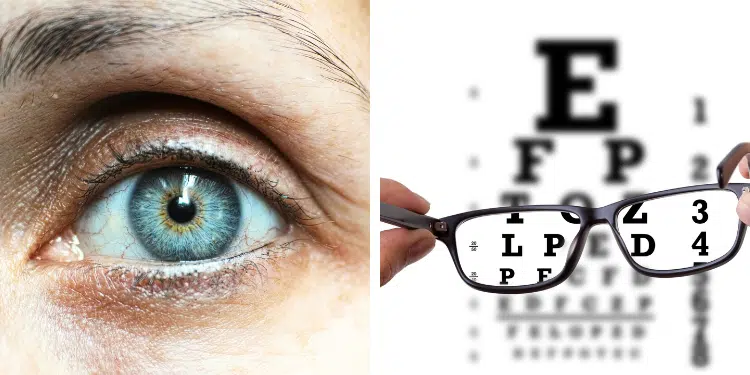
We’ve all been there – you’re reading, working, or scrolling through your phone when suddenly your eyelid starts twitching uncontrollably. It might last a few seconds or come and go throughout the day, but it’s hard to ignore.
This strange fluttering sensation, known medically as myokymia, can happen to anyone. While it’s usually harmless, it’s also your body’s way of sending a message – one that you shouldn’t completely ignore.
What Exactly Is Eye Twitching?
Eye twitching (or eyelid myokymia) is an involuntary, repetitive spasm of the muscles in either the upper or lower eyelid. It’s typically painless but can be annoying, distracting, and sometimes even last for days.
For most people, the twitch affects one eye at a time and resolves on its own. However, persistent or severe twitching could signal an underlying issue that deserves attention.
Eye twitching is often your body’s subtle way of saying “slow down” – that something in your daily routine or lifestyle is out of balance.
Common Causes of Eye Twitching
While it may seem random, eye twitching is usually triggered by stress, fatigue, or lifestyle habits that affect your nervous system and muscles. Let’s look at the most common causes.
1. Stress and Anxiety
Stress is one of the leading causes of eye twitching. When your body is under pressure, it releases stress hormones like adrenaline and cortisol, which stimulate nerves and muscles – including those around your eyes.
If your twitching seems to coincide with busy work weeks, emotional strain, or lack of rest, stress is likely the culprit.
What to Do:
- Practice relaxation techniques like deep breathing or meditation.
- Take short breaks from screens and stressful tasks.
-
Incorporate gentle movement like walking or stretching to calm your nervous system.
2. Fatigue and Lack of Sleep
Your eyes need rest just like the rest of your body. When you’re sleep-deprived or mentally exhausted, the delicate muscles controlling your eyelids become overstimulated and prone to spasms.
What to Do:
- Aim for 7–9 hours of quality sleep each night.
- Follow a consistent sleep schedule.
-
Avoid bright screens at least an hour before bed.
Tip: If you’ve been pulling late nights or relying heavily on caffeine, your eyes are likely telling you to slow down.
3. Too Much Caffeine or Energy Drinks
While caffeine boosts alertness, too much of it can overstimulate your nervous system, triggering involuntary muscle contractions – including eye twitching.
What to Do:
- Cut back on coffee, tea, soda, and energy drinks.
- Try herbal teas like chamomile or lemon balm instead – both calm the nerves naturally.
-
Stay hydrated to balance your body’s energy levels.
4. Eye Strain from Screens
Between phones, laptops, and TVs, most people spend hours each day staring at screens. This can lead to digital eye strain, where the eye muscles become tense from focusing too long.
What to Do:
- Follow the 20-20-20 rule: Every 20 minutes, look at something 20 feet away for 20 seconds.
- Adjust your screen brightness and contrast.
-
Blink often to keep your eyes lubricated and refreshed.
5. Dry Eyes
Dry eyes can irritate your corneal nerves and trigger twitching. This is especially common in:
- People who wear contact lenses
- Those who spend long hours on computers
- Adults over 40
-
Individuals taking antihistamines or antidepressants
What to Do:
- Use preservative-free artificial tears for moisture.
- Blink consciously when using screens.
-
Add a humidifier to your workspace or bedroom to combat dry indoor air.
6. Nutrient Deficiencies (Especially Magnesium and B Vitamins)
Your body needs essential minerals like magnesium, potassium, and B vitamins to regulate nerve and muscle function. Deficiencies in these nutrients can cause muscle twitches, cramps, and spasms, including in the eyelids.
What to Do:
- Eat magnesium-rich foods such as bananas, spinach, almonds, and avocados.
- Include B-complex vitamins in your diet – they help regulate your nervous system.
-
If needed, consider a daily multivitamin or consult your doctor about supplementation.
7. Allergies and Eye Irritation
Allergies can cause itching, dryness, and swelling in the eyes. When you rub your eyes frequently, you irritate the muscles around them, which can trigger twitching.
What to Do:
- Avoid rubbing your eyes.
- Use a cool compress to reduce irritation.
-
Take antihistamines if prescribed, but watch for dryness as a side effect.
8. Alcohol or Tobacco Use
Both alcohol and nicotine can dehydrate the body and disrupt the nervous system, leading to random muscle twitches.
What to Do:
- Limit alcohol consumption.
- Reduce or quit smoking – your eyes (and your body) will thank you.
-
Stay well hydrated, especially after drinking.
9. Neurological or Eye Conditions (Rare)
In rare cases, frequent eye twitching can signal more serious conditions such as:
- Blepharospasm (chronic eyelid twitching)
- Hemifacial spasm (spasms on one side of the face)
-
Multiple sclerosis (MS) or Parkinson’s disease (in extreme, uncommon cases)
If your eye twitch lasts longer than a week, spreads to other areas of the face, or causes vision changes, consult a doctor or ophthalmologist.
What Your Body Is Trying to Tell You
When your eye twitches, your body is sending a subtle but important message:
“I’m tired, tense, or out of balance.”
Think of it as an early warning sign that your nervous system needs rest and recovery. In most cases, your body is telling you to:
- Reduce stress
- Sleep more
- Hydrate and eat well
- Take a break from screens
By listening to these signals, you can often stop the twitching before it becomes chronic.
Natural Remedies to Stop Eye Twitching
If your eyelid twitch won’t quit, try these natural, science-backed remedies to calm your nerves and muscles:
1. Warm Compress
Apply a warm compress over closed eyes for 5–10 minutes. The gentle heat relaxes the muscles and improves circulation.
2. Stay Hydrated
Even mild dehydration can trigger muscle spasms. Aim to drink 6–8 glasses of water daily.
3. Magnesium-Rich Diet
Incorporate nuts, seeds, dark leafy greens, and whole grains into your meals. Magnesium is known as nature’s muscle relaxant.
4. Cut Back on Caffeine
Switch to decaf or herbal alternatives for a few days and observe if symptoms improve.
5. Practice Relaxation Before Bed
Gentle yoga, meditation, or breathing exercises help your nervous system unwind, reducing the likelihood of nighttime twitching.
6. Take Screen Breaks
Use blue light filters and follow the 20-20-20 rule to prevent strain-related twitching.
When to See a Doctor
Most cases of eye twitching resolve within a few days. However, seek medical advice if you experience:
- Twitching that lasts more than a week
- Eye pain, redness, or swelling
- Twitching that affects other parts of your face
-
Vision changes or drooping eyelids
These may indicate an eye infection, nerve issue, or other underlying health condition that requires treatment.
Quick Summary: Why Your Eye Twitches
| Cause | What It Means | Fix |
|---|---|---|
| Stress & Anxiety | Overactive nerves due to tension | Relaxation techniques, deep breathing |
| Fatigue | Tired eye muscles | Sleep 7–9 hours nightly |
| Caffeine | Nervous system overstimulation | Cut down on coffee and energy drinks |
| Eye Strain | Screen fatigue | Follow 20-20-20 rule |
| Nutrient Deficiency | Low magnesium or B vitamins | Eat greens, nuts, and whole grains |
| Allergies | Eye irritation | Avoid rubbing, use cool compress |
| Dry Eyes | Lack of moisture | Use artificial tears |
A random eye twitch might seem minor, but it’s often your body’s way of asking for balance.
Whether it’s stress, lack of sleep, too much caffeine, or dehydration, these small spasms are gentle reminders that your body needs care.