As temperatures drop and daylight hours shorten, your indoor plants begin to feel the seasonal shift just like you do. November marks the start of their resting period, a time when growth slows down and maintenance routines need to change.
While your houseplants may not demand as much attention as they did in summer, a few key tasks in November can make the difference between thriving greenery and winter decline.
Whether you grow tropicals, succulents, or flowering indoor plants, these seven essential November tasks will help your plants stay healthy, resilient, and ready to burst back to life when spring arrives.
1. Adjust Watering – Less Is More
Overwatering is the most common mistake plant owners make during the colder months. In winter, most houseplants enter dormancy or slow their growth, which means they need less water than usual.
Why It Matters:
- Cooler air and shorter days slow evaporation.
-
Constantly moist soil can cause root rot, fungus gnats, and mold.
What to Do:
- Check soil moisture before watering – only water when the top inch of soil feels dry.
- Water thoroughly, but ensure excess drains out. Never let pots sit in standing water.
-
Use room-temperature water to avoid shocking the roots.
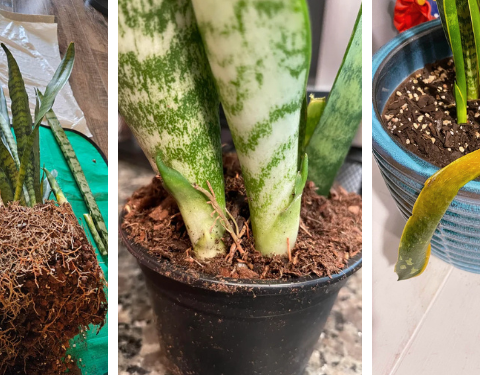
Tip: Succulents, cacti, and snake plants may only need watering once every 3–4 weeks in winter.
2. Clean and Dust the Leaves
Dust may seem harmless, but it can clog the tiny pores (stomata) on plant leaves, blocking sunlight and reducing photosynthesis.
Why It Matters:
Clean leaves absorb more light and can “breathe” better, which is especially important when natural light is scarce.
What to Do:
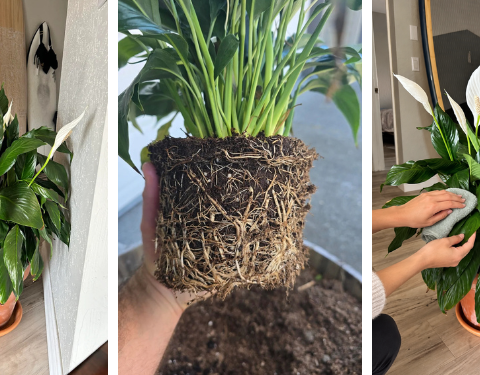
- Gently wipe each leaf with a damp cloth or soft sponge.
- For plants with many small leaves (like ferns), rinse them gently in the shower or use a fine mist spray.
-
Avoid leaf shine products – they can clog pores and attract dust.
Bonus Tip: Cleaning also gives you a chance to inspect for pests like spider mites or mealybugs, which thrive indoors in winter’s dry air.
3. Bring Plants Closer to the Light
As sunlight fades in November, your houseplants get less energy from natural light. Even a sunny summer window can become too dim in late fall.
Why It Matters:
Low light leads to yellowing leaves, leggy stems, and slower growth.
What to Do:
- Move plants closer to bright, south- or west-facing windows.
- Clean the windows to maximize light penetration.
- Rotate plants weekly so all sides receive even light.
-
If your space is dark, consider using LED grow lights for 10–12 hours daily.
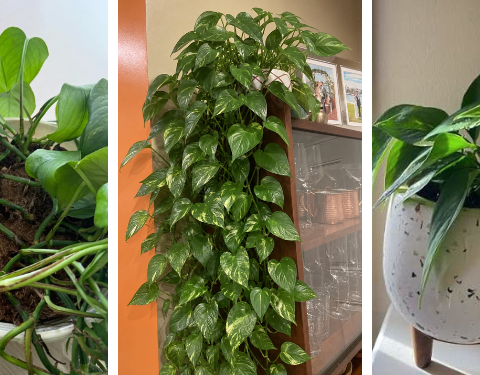
Tip: Plants like pothos, snake plants, and ZZ plants tolerate lower light, but still benefit from being near brighter areas in winter.
4. Stop Fertilizing Until Spring
Feeding your plants during their rest period can do more harm than good.
Why It Matters:
- Fertilizer encourages new growth at a time when light and temperature don’t support it.
-
Excess nutrients can build up in the soil, causing salt burn and root damage.
What to Do:
- Stop fertilizing most houseplants from November through February.
- Resume feeding lightly when new growth appears in spring.
- If your plant is actively growing under strong grow lights, reduce fertilizer to ¼ of the normal dose.
Exception: Some winter-blooming plants like African violets and Christmas cacti may benefit from mild feeding while in bloom.
5. Control Humidity Indoors
When you turn on indoor heating, humidity levels plummet – and your tropical houseplants feel it immediately. Dry air can cause brown leaf tips, curling edges, and leaf drop.
Why It Matters:
Most tropical plants (like calatheas, ferns, and orchids) prefer humidity levels between 50–70%.
What to Do:
- Group plants together – this creates a small microclimate with higher humidity.
- Use a humidifier nearby or place pots on a pebble tray filled with water (without letting roots sit in it).
-
Mist lightly in the morning if needed, especially for humidity-loving plants.
Pro Tip: Avoid placing plants near radiators, vents, or fireplaces – the dry, hot air quickly dehydrates leaves.
6. Check for Pests and Diseases
Winter doesn’t stop pests – in fact, it often makes things worse. Dry indoor air and less air circulation create ideal conditions for spider mites, scale, fungus gnats, and mealybugs.
What to Look For:
- Sticky residue or honeydew on leaves
- Webbing under leaves (spider mites)
- Cotton-like spots on stems (mealybugs)
-
Tiny black flies hovering near soil (fungus gnats)
What to Do:
- Wipe leaves with a mix of water and mild dish soap or neem oil.
- Remove any dead leaves or debris where pests can hide.
-
Let soil dry slightly between waterings to deter gnats.
Tip: Always isolate new or infested plants for a few weeks to avoid spreading pests to your entire collection.
7. Give Them a Temperature Check
Most houseplants like stability – they don’t appreciate sudden drafts or heat spikes. November’s fluctuating indoor conditions can be stressful if you’re not careful.
Why It Matters:
Cold drafts and hot, dry air both cause leaf drop, discoloration, and slowed growth.
What to Do:
- Keep plants away from cold windows, doors, and heating vents.
- Maintain indoor temperatures between 65–75°F (18–24°C) during the day and no lower than 55°F (13°C) at night.
-
For delicate tropicals like orchids or calatheas, keep them away from windowsills where nighttime cold can seep in.
Pro Tip: Use a thermometer to monitor both room and soil temperature – roots are sensitive to temperature changes even if the air feels fine.
Bonus Task: Give Your Plants a Gentle Trim
If your plants grew vigorously during summer, fall is a good time to remove leggy stems, yellow leaves, and faded blooms.
Benefits:
- Encourages compact growth
- Improves airflow around the plant
-
Prevents energy waste on dying leaves
Use sterilized scissors to make clean cuts just above leaf nodes, and avoid major pruning – wait until spring for that.
How to Know Your Houseplants Are Winter-Ready
Before settling them for the colder months, check these quick signs of health:
- Firm, healthy roots without mushiness or odor
- Leaves that are clean, green, and pest-free
- Soil that drains well and doesn’t stay soggy
- Adequate space between plants for air circulation
- Consistent indoor temperatures and lighting
With just a few small adjustments, you can ensure your plants not only survive the winter but emerge in spring even stronger and healthier.
Caring for houseplants in November is about transition and balance – easing them from their active growing phase into winter rest.
By adjusting watering, light, humidity, and temperature, you create the perfect indoor environment for them to thrive.