Houseplants bring life and beauty into our homes, but keeping them healthy can sometimes be a challenge.
Overwatering, underwatering, and inconsistent care routines often lead to struggling plants.
If you’ve ever had trouble keeping your plants alive, there’s a simple yet effective hack that can make plant care effortless—the ice cube trick.
This method is gaining popularity among plant enthusiasts and beginners alike as an easy way to water houseplants without the risk of overwatering.
In this article, we’ll explore how the ice cube trick works, the benefits of using it, which plants benefit the most, and some key tips to keep your houseplants thriving with this method.
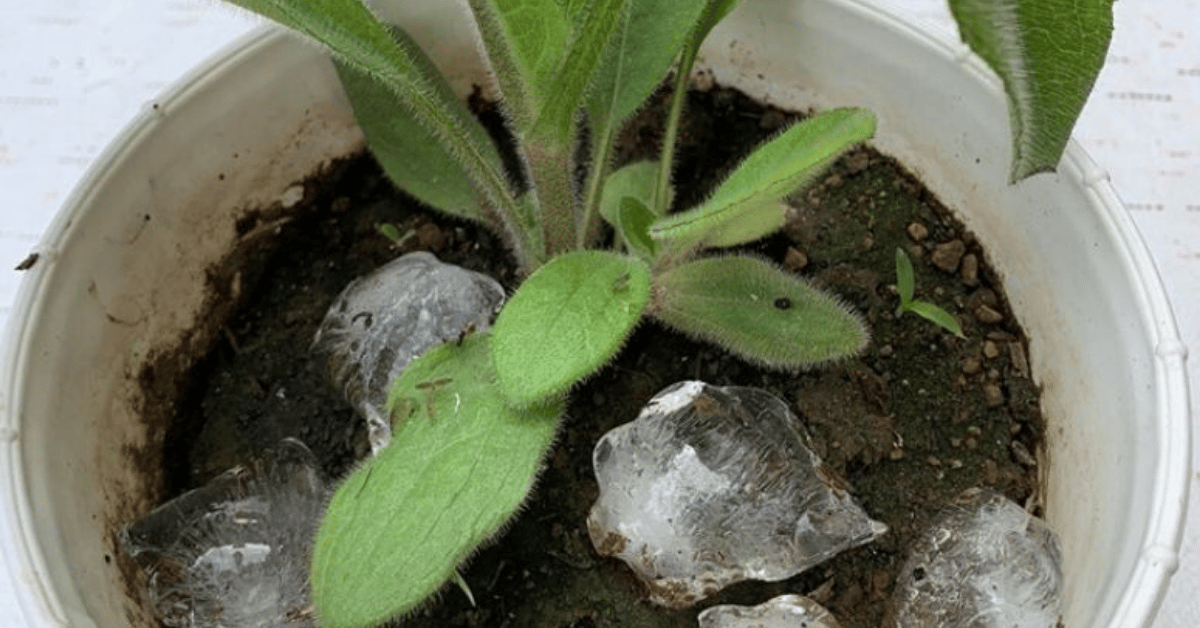
What Is the Ice Cube Trick?
The ice cube trick involves placing ice cubes on the soil of your houseplants instead of watering them traditionally with liquid water.
As the ice cubes melt, they release moisture gradually, allowing the plant’s roots to absorb water at a steady pace.
This slow watering method helps prevent sudden overwatering, making it an excellent solution for delicate or moisture-sensitive plants.
Benefits of the Ice Cube Trick for Houseplants
Using ice cubes to water houseplants provides several advantages, especially for those who struggle with plant care or have a busy schedule.
Here are some key benefits:
1. Prevents Overwatering
One of the most common reasons houseplants die is overwatering. When plants receive too much water at once, their roots can become waterlogged, leading to root rot.
Ice cubes provide a controlled and measured amount of water, reducing the chances of overwatering.
2. Ensures Even Water Distribution
Traditional watering methods can sometimes lead to uneven water distribution, where certain areas of the soil remain dry while others become too wet.
Ice cubes melt slowly, allowing water to soak evenly into the soil and reach the roots more effectively.
3. Minimizes Water Runoff
When you pour water directly into a potted plant, it can sometimes run off the surface before the soil has a chance to absorb it properly.
This often happens in compacted or dry soil. Ice cubes gradually release moisture, ensuring that the soil absorbs all the water provided.
4. Prevents Soil Disturbance
Some plants, especially orchids and succulents, have delicate roots that can be disturbed by direct watering.
The ice cube method helps prevent soil displacement and keeps the root system intact.
5. Saves Time and Effort
If you have a busy lifestyle or travel frequently, using ice cubes can be a hassle-free way to water plants without constantly monitoring moisture levels.
How to Use the Ice Cube Trick Correctly
Implementing the ice cube trick is simple, but it’s important to follow a few guidelines to ensure the best results for your plants:
Step 1: Determine the Right Amount of Ice Cubes
- Small plants: 1 ice cube per week
- Medium-sized plants: 2–3 ice cubes per week
- Large plants: 4 or more ice cubes per week (depending on the plant’s needs)
Start with fewer ice cubes and adjust based on how your plant responds. Avoid using too many at once, as this could make the soil excessively cold.
Step 2: Place Ice Cubes on the Soil Surface
- Position the ice cubes evenly around the base of the plant, avoiding direct contact with leaves or stems.
- Ensure the cubes are placed on top of the soil and not too close to the plant’s crown to prevent chilling delicate roots.
Step 3: Monitor Your Plant’s Moisture Needs
- Check the soil moisture with your finger or a moisture meter before adding more ice cubes.
- Adjust the frequency of ice cube watering based on your plant’s environment, humidity levels, and season.
Best Plants for the Ice Cube Trick
Not all houseplants are suited for the ice cube method, but several types benefit greatly from this slow-watering technique:
✅ Orchids
Orchids are among the most popular plants for the ice cube trick.
Since they require minimal water and are prone to root rot, the slow melting process mimics their natural watering conditions in the wild.
✅ Succulents & Cacti
Succulents thrive with minimal water, and using ice cubes prevents excess moisture buildup in the soil, reducing the risk of rot.
✅ Peace Lilies
These moisture-loving plants benefit from gradual watering, which keeps their roots hydrated without waterlogging them.
✅ Pothos & Philodendrons
These popular houseplants require consistent but not excessive moisture, making ice cube watering a perfect option.
✅ African Violets
These delicate plants dislike water on their leaves, which makes ice cubes an ideal method to hydrate them without causing leaf spotting.
Plants That Should NOT Be Watered with Ice Cubes
While the ice cube trick is effective for many plants, some types are sensitive to cold and should not be watered using this method:
🚫 Tropical Plants (e.g., Monsteras, Fiddle Leaf Figs) – These plants prefer lukewarm water and can suffer from root shock when exposed to cold temperatures.
🚫 Ferns – Many fern varieties prefer consistently moist soil and can be negatively affected by slow-drip watering.
🚫 Plants with Sensitive Roots – Any plant with delicate or thin roots may experience stress from prolonged exposure to cold temperatures.
Common Mistakes to Avoid
To ensure your plants thrive with the ice cube method, avoid these common mistakes:
❌ Using Too Many Ice Cubes – Excess ice can lead to overly cold soil, shocking the roots. Always start with a small amount and adjust as needed.
❌ Placing Ice Cubes Directly on Roots or Leaves – Direct contact with ice can damage plant tissues. Always place them on top of the soil, away from the plant’s base.
❌ Ignoring Your Plant’s Needs – While the ice cube trick is useful, it’s essential to monitor your plant’s overall health and adjust watering as necessary.
Final Thoughts: Is the Ice Cube Trick Right for You?
The ice cube trick is a simple and effective way to water houseplants, especially for beginners or those with a busy schedule.
It helps regulate moisture levels, prevents overwatering, and is particularly beneficial for orchids, succulents, and other low-water plants.
However, it’s crucial to ensure that your specific plant type can tolerate this method and to adjust the frequency and number of ice cubes accordingly.
By following these tips and best practices, you can use this easy trick to keep your houseplants thriving with minimal effort.