When most people cook with beets, they slice, roast, or boil the vibrant red roots… and toss the rough, earthy peels into the trash or compost.
But what if we told you that those thin outer layers – often dismissed as kitchen waste – are actually one of the most concentrated, nutrient-rich, and medicinal parts of the entire plant?
Beetroot peels are far more than scraps. They’re a powerhouse of antioxidants, fiber, vitamins, minerals, and plant compounds that can support heart health, cleanse the liver, boost digestion, fight inflammation, and even promote glowing skin.
The Hidden Nutritional Power of Beetroot Peels
It’s easy to assume that the edible value of a beet lies beneath the skin, but research shows that the peel is one of the most nutrient-dense parts of the vegetable.
Because it’s the beet’s protective barrier, it’s loaded with concentrated plant compounds that defend the root against environmental stress – and these same compounds work wonders in the human body.
Key Nutrients Found in Beet Peels
- Antioxidants (Betalains): These pigments give beets their deep crimson color and are powerful free-radical fighters that reduce inflammation and oxidative stress.
- Fiber (Pectin and Cellulose): Supports digestion, gut health, and cholesterol regulation.
- Vitamins: Especially vitamin C (immune support), vitamin B9 or folate (red blood cell production), and small amounts of vitamin A.
- Minerals: Potassium, magnesium, iron, manganese, and calcium – all crucial for cardiovascular and metabolic health.
- Nitrates: Natural compounds that help dilate blood vessels and improve circulation.
- Phenolic acids and flavonoids: Potent anti-inflammatory and detoxifying agents.
Many of these nutrients are present in higher concentrations in the peel than in the flesh, meaning that discarding the skin means losing a significant portion of beetroot’s healing power.
1. A Natural Blood Cleanser and Detoxifier
For centuries, beet peels have been prized as a blood-purifying tonic. They stimulate the liver – your body’s main detoxification organ – and help flush out accumulated toxins, heavy metals, and metabolic waste.
This cleansing effect is due to the synergy of betalains, chlorophyll, and fiber, which work together to filter the blood and support the body’s natural elimination pathways.
How to Use Beet Peels for Detox
Beet Peel Tea:
- Collect peels from 3–4 beets (preferably organic).
- Rinse them thoroughly and simmer in 4 cups of water for 20 minutes.
- Strain, cool slightly, and drink 1 cup daily for 7–10 days.
Why it works: The heat extracts betalains and antioxidants into the water, creating a mild but effective detox drink that supports liver function and promotes healthy bile flow.
Bonus tip: Add lemon peel or ginger slices to enhance detoxification and digestion.
2. Supports Heart Health and Blood Pressure
Beetroot is famous for its heart-protective benefits – and much of that power resides in the peel. It’s especially rich in nitrates, which the body converts into nitric oxide, a molecule that relaxes blood vessels, improves circulation, and lowers blood pressure.
Regular consumption of beet peel infusions or powders has been linked to:
- Reduced hypertension
- Better oxygen delivery to muscles
- Improved blood flow to the brain and heart
- Lower risk of atherosclerosis
How to Use Beet Peels for Heart Health
Beet Peel Smoothie:
- Blend the washed peels from 2 beets with 1 apple, a handful of spinach, and a cup of water or coconut water.
- Drink 3–4 times per week on an empty stomach.
Why it works: The combination of nitrates, potassium, and antioxidants improves endothelial function – the ability of blood vessels to expand and contract efficiently.
3. Boosts Digestion and Gut Health
One of the most overlooked benefits of beet peels is their high fiber content.
Unlike refined fibers or supplements, beet peel fiber is naturally bound to polyphenols and minerals, making it more effective at improving gut motility, nourishing beneficial bacteria, and reducing digestive inflammation.
Digestive Benefits Include:
- Preventing constipation and bloating
- Supporting regular bowel movements
- Feeding healthy gut microbiota
- Binding and removing toxins from the digestive tract
How to Use Beet Peels for Digestion
Fermented Beet Peel Drink (Kvass-Style):
- Place peels from 4–5 beets in a glass jar with 1 tablespoon sea salt and 5 cups of filtered water.
- Cover loosely and let it ferment for 3–5 days at room temperature.
- Strain and drink 1/4 cup daily before meals.
Why it works: Fermentation boosts probiotic content, improving gut flora and enhancing digestion naturally.
4. Natural Support for Anemia and Low Iron
Beet peels are surprisingly rich in iron, folate, and vitamin C – a trio of nutrients essential for red blood cell production and iron absorption. Traditional healers often recommended beet peel tonics for people suffering from anemia, chronic fatigue, or low blood pressure.
How to Use Beet Peels for Iron Support
Iron-Boosting Beet Peel Elixir:
- Simmer peels from 4 beets with 2 cups of water and 1 tablespoon of molasses for 20 minutes.
- Strain and drink 1/2 cup daily with meals.
Why it works: Molasses adds extra iron, while vitamin C from the beet peel enhances absorption, making this a natural tonic for blood health.
5. Fights Inflammation and Chronic Disease
Chronic inflammation is a root cause of many modern illnesses – from heart disease and arthritis to diabetes and cancer.
Beet peels contain a unique class of antioxidants called betalains (especially betanin and vulgaxanthin), which have been shown to reduce inflammatory markers and protect cells from oxidative damage.
How to Use Beet Peels for Anti-Inflammatory Benefits
Anti-Inflammatory Beet Peel Broth:
- Simmer beet peels with turmeric, ginger, and a pinch of black pepper in 6 cups of water for 30 minutes.
- Strain and sip 1 cup daily.
Why it works: The combination of betalains with curcumin and gingerols creates a powerful natural anti-inflammatory drink that helps ease joint pain, support immune health, and reduce systemic inflammation.
6. A Liver Tonic That Supports Detoxification
The liver is your body’s detox powerhouse – and beet peels can help it perform at its best.
Betalains, fiber, and choline work together to stimulate bile flow, regenerate liver cells, and improve the removal of toxins and hormones from the bloodstream.
How to Use Beet Peels for Liver Health
Liver-Cleansing Beet Peel Shot:
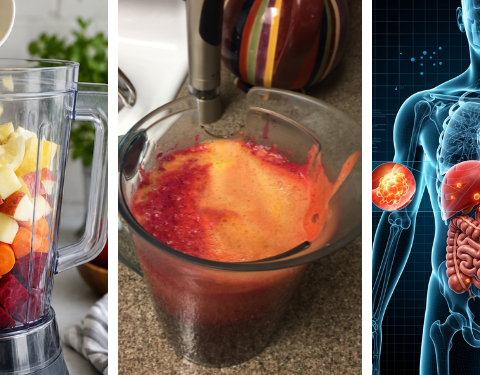
- Blend peels from 2 beets with juice of 1 lemon, a small cucumber, and a handful of parsley.
- Drink 1 small glass daily for two weeks.
Why it works: This combination flushes toxins, reduces liver enzyme levels, and supports detoxification pathways – especially useful after periods of heavy eating, medication use, or alcohol consumption.
7. Helps Balance Blood Sugar and Metabolism
The fiber and phytonutrients in beet peels help slow the absorption of glucose, preventing blood sugar spikes and improving insulin sensitivity.
Additionally, beet peel antioxidants help regulate lipid metabolism, which can support healthy weight and metabolic function.
How to Use Beet Peels for Blood Sugar Support
Beet Peel & Cinnamon Infusion:
- Boil beet peels with a cinnamon stick in 4 cups of water for 20 minutes.
- Drink 1 cup daily before meals.
Why it works: Cinnamon helps regulate insulin levels, while beet fiber moderates sugar absorption – a powerful combination for metabolic health.
8. Skin and Beauty Benefits: Glow From the Inside Out
Beet peels are loaded with skin-friendly nutrients, including vitamin C, antioxidants, and silica. These compounds support collagen production, protect against UV damage, and improve circulation, giving skin a healthy glow from within.
How to Use Beet Peels for Skin
Beet Peel Face Mask:
- Dry and grind beet peels into a fine powder.
- Mix 1 teaspoon with honey and a few drops of lemon juice.
- Apply to face for 15 minutes and rinse.
Why it works: The antioxidants brighten dull skin, while honey hydrates and lemon lightens pigmentation.
Beet Peel Glow Drink:
- Blend beet peels with cucumber, carrot, and apple for a skin-detoxifying juice.
- Drink 3 times per week for radiant skin.
9. Strengthens Immunity Naturally
The combination of vitamin C, antioxidants, and phytonutrients in beet peels enhances immune function by increasing white blood cell activity and reducing oxidative stress.
Regular consumption may reduce susceptibility to infections and speed up recovery from illness.
How to Use Beet Peels for Immunity
Immune-Boosting Beet Peel Tea:
- Boil beet peels with grated ginger, lemon peel, and a clove of garlic in 4 cups of water.
- Sip warm during cold and flu season.
Why it works: Each ingredient strengthens different aspects of the immune system – a synergistic blend that’s perfect for daily defense.
10. Eco-Friendly Gardening Uses
Beet peels aren’t just valuable for your body – they’re beneficial in the garden, too. They’re rich in minerals like potassium, magnesium, and phosphorus, making them excellent natural fertilizers and compost boosters.
Ways to Use Beet Peels in the Garden
- Compost Accelerator: Their high nitrogen content speeds up compost decomposition.
- Liquid Fertilizer: Soak beet peels in water for a week, strain, and use the nutrient-rich liquid to water plants.
- Pest Deterrent: The scent can repel certain pests like aphids and ants.
How to Safely Prepare and Store Beet Peels
To maximize benefits and minimize pesticide exposure:
- Choose organic beets whenever possible, as conventional beets may have pesticide residues on the skin.
- Scrub thoroughly under running water with a vegetable brush.
- Use fresh peels immediately or store them in the refrigerator for up to 3 days.
- Drying for storage: Air-dry or oven-dry peels at low heat and grind them into powder. Store in airtight jars for up to 6 months.
- Freezing: Freeze clean peels in a zip-lock bag and use them for teas or broths later.
Precautions and Who Should Be Careful
While beet peels are safe for most people, a few precautions are worth noting:
- If you have kidney stones or are prone to oxalate buildup, consult your doctor before consuming large amounts.
- People on blood pressure medication should monitor levels, as beet nitrates can enhance the effect.
- Start with small servings if you have a sensitive digestive system, as fiber-rich peels can cause bloating at first.
The next time you prepare beets, pause before throwing away the peels. They are not scraps – they’re nutritional gold.

Rich in antioxidants, vitamins, fiber, and healing plant compounds, beetroot peels support nearly every system in your body: from heart and liver health to digestion, immunity, and skin radiance.